Mandy Croft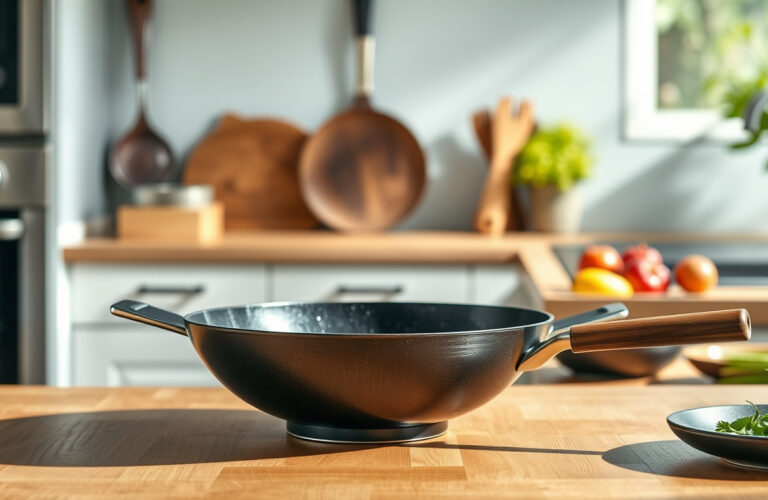
## How to Dry a Wok After Washing: Easy Steps for Longevity
Want to know the secret to a long-lasting wok?
It all comes down to how you dry it.
A wok is the most versatile tool in your kitchen.
It is essential for authentic Asian-style cooking.
Proper care helps build a perfect, non-stick seasoned patina.
It also protects your cookware from rust.
Follow this quick guide to dry your wok completely every time.
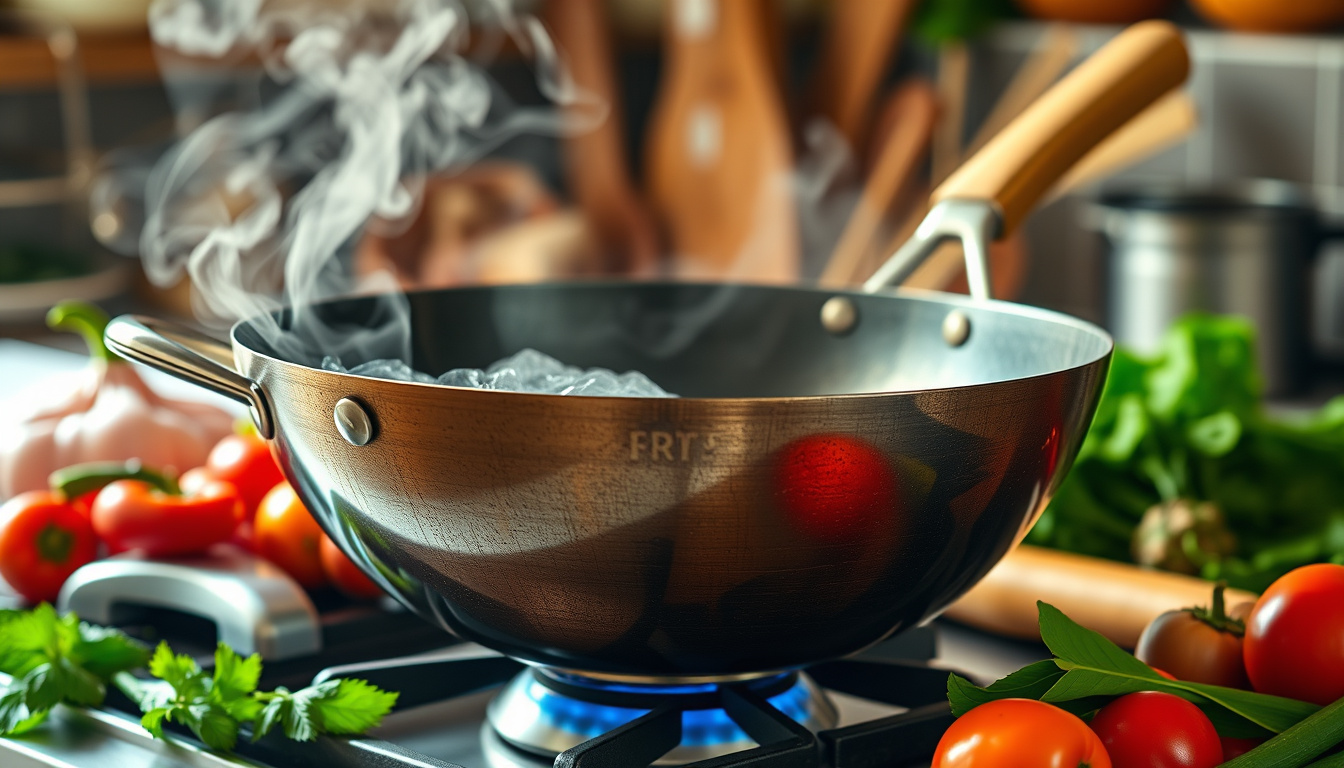
Why Properly Drying Your Wok Matters
Unlike stainless steel or nonstick pans, carbon steel and cast iron woks require special attention to prevent rust and maintain their seasoning layer — a thin build-up of polymerized oils giving the wok a natural nonstick surface. Inadequate drying can lead to rust formation, sticky residues, or uneven patina development.
Furthermore, residual moisture trapped on or inside the wok may degrade the metal or encourage odor and bacterial growth. Complete drying, therefore, not only preserves the wok’s physical integrity but also supports better cooking performance.
Step-By-Step Guide: How to Dry Your Wok Completely After Washing
1. Immediate Rinse and Clean
After cooking, clean your wok promptly:
- Use hot water and a soft sponge or brush to remove food residues.
- Avoid harsh detergents or steel wool unless absolutely necessary, as they can strip seasoning.
- If you do use soap, apply sparingly and rinse thoroughly.
2. Thoroughly Drain Excess Water
Shake off as much water as possible and remove any pooling moisture.
3. Heat the Wok on the Stove
Place the wok on a stovetop burner over medium-high heat. This accomplishes two essential goals:
- Drying: The heat evaporates any remaining water droplets.
- Preparing the surface: A dry, warm wok helps oil absorb evenly in the next step.
Allow the wok to heat for a few minutes until you see water fully evaporate and the wok surface becomes hot to the touch (but not smoking excessively).
Tip: Use an infrared thermometer or your hand at a safe distance to estimate heat, ideally around 300°F or until visibly dry.
4. Apply a Protective Oil Layer
Once dry and warm, turn off the heat and apply a thin coat of oil (vegetable oil, canola, or beef tallow are popular choices) with a paper towel. Wipe the wok’s interior thoroughly but avoid leaving excess oil pools.
Some cooks prefer to briefly reheat the lightly oiled wok to polymerize the oil, creating or reinforcing the seasoning.
5. Store Properly
After cooling, store the wok in a dry place. Some enthusiasts place a paper towel inside to absorb any moisture and prevent stickiness.
Common Questions and Tips From Experienced Users
Why does my wok sometimes develop a sticky or yellowish residue?
- Excessive oil application after drying can cause sticky patches.
- Some discoloration could be early patina building or minor food residue.
- Wiping with a clean cloth after oiling will prevent sticky surfaces.
- Avoid letting seasoning build up too quickly; good seasoning comes with repeated heating and cooking over time.
Can I use soap when washing my wok?
Soap use is debated but generally harmless if used rarely and followed by thorough rinsing and re-oiling. Frequent soap can strip seasoning, but gentle washing with hot water alone is preferred by many traditional cooks.
Should I let my wok soak or use abrasive scrubbers?
Never soak your wok in water, as prolonged moisture exposure invites rust. Avoid steel wool or harsh abrasives; use a soft sponge or gentle abrasive cloth for stuck food.
How hot should the wok be when drying?
Heating the wok to moderate-high temperatures (around 300°F to 500°F) on the burner after washing is sufficient to evaporate moisture without damaging the pan.
How often should I oil the wok?
After each wash and dry cycle, a thin layer of oil protects the wok. Over time, continued seasoning layers develop and strengthen the patina, enhancing nonstick properties.
Developing Your Wok’s Patina and Nonstick Surface
A well-seasoned wok is key for great stir-fries and preventing food sticking. Seasoning involves oil polymerizing on the hot metal, building up a natural coating that darkens the pan and improves with use.
- Cook at very high heat for brief periods (stir-frying usually takes 2-3 minutes).
- Avoid cooking acidic foods regularly, as vinegar and citrus can break down seasoning.
- Do not rush seasoning; it takes many cooking sessions to develop a deep black patina.
Summary: Best Practices for Drying and Caring For Your Wok
| Step | Key Points |
|---|---|
| Cleaning | Use hot water; soap sparingly; no soaking |
| Removing moisture | Shake off water, drain thoroughly |
| Heating to dry | Stove heat at medium-high until fully dry |
| Oiling after drying | Thin layer of oil wiped evenly on surface |
| Storage | Store dry; optionally place paper towel inside |
| Avoid | Prolonged soaking, excessive soap, steel wool |
Mastering the art of drying your wok after washing is essential to protect your investment and maximize cooking performance. With patience and consistent care — rinsing, heating to dry, properly oiling, and careful storage — your wok will develop the beautiful, durable patina that makes it a true kitchen treasure.
By following these guidelines backed by culinary communities and seasoned chefs, your wok will reward you with flavorful dishes and years of reliable service. Happy cooking!