Mandy Croft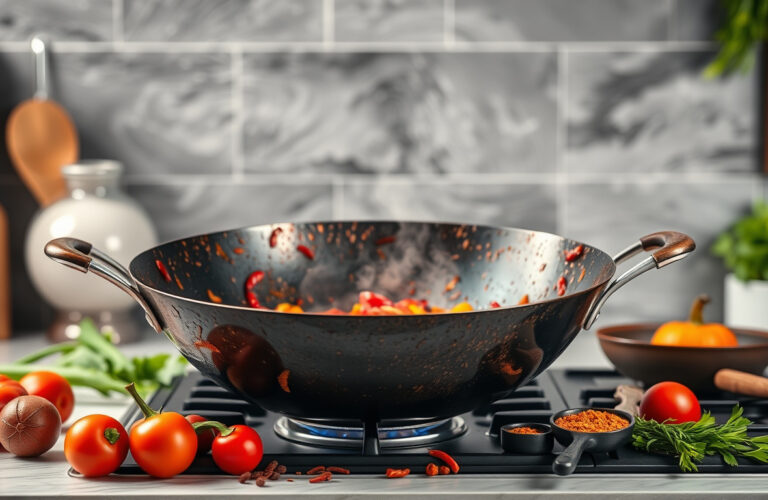
Wok cooking is a celebrated technique, renowned for its ability to infuse dishes with vibrant flavors and achieve the iconic “wok hei” – a distinctive smoky aroma. However, mastering wok cooking goes beyond technique; it equally involves caring for your wok properly. One critical yet often overlooked aspect is allowing your wok to cool naturally after use or seasoning. This simple practice significantly contributes to your wok’s longevity and enhances cooking performance.
Understanding the Importance of Natural Cooling for Your Wok
When you finish cooking or seasoning your wok, its surface is subjected to intense heat, often close to or above 400°F (204°C). The metals commonly used in woks, such as carbon steel or cast iron, react to sudden temperature changes, also known as thermal shock. Cooling your wok naturally — letting it gradually come down to room temperature — helps prevent damage like warping, cracking, or deterioration of the seasoning layer.
Why Gradual Cooling Matters
- Prevents Warping: Sharp temperature drops cause uneven metal contraction, which may warp the wok’s shape, affecting its stability and cooking surface.
- Protects Seasoning: Seasoning is a carefully built layer of polymerized oils that create a natural non-stick coating. Cooling naturally avoids peeling or flaking of this essential layer.
- Maintains Structural Integrity: Consistent heat expansion and contraction cycles handled gently extend the life of your wok, saving you from frequent replacements.
The Role of Cooling in Wok Seasoning and Flavor Development
Seasoning a wok is an art form in itself. It involves heating, oiling, and sometimes using aromatics like ginger and green onions to build a resilient, flavorful cooking surface. According to expert wok users and culinary instructors, after the high-heat seasoning process, allowing your wok to cool on its own before cleaning or storing is critical.
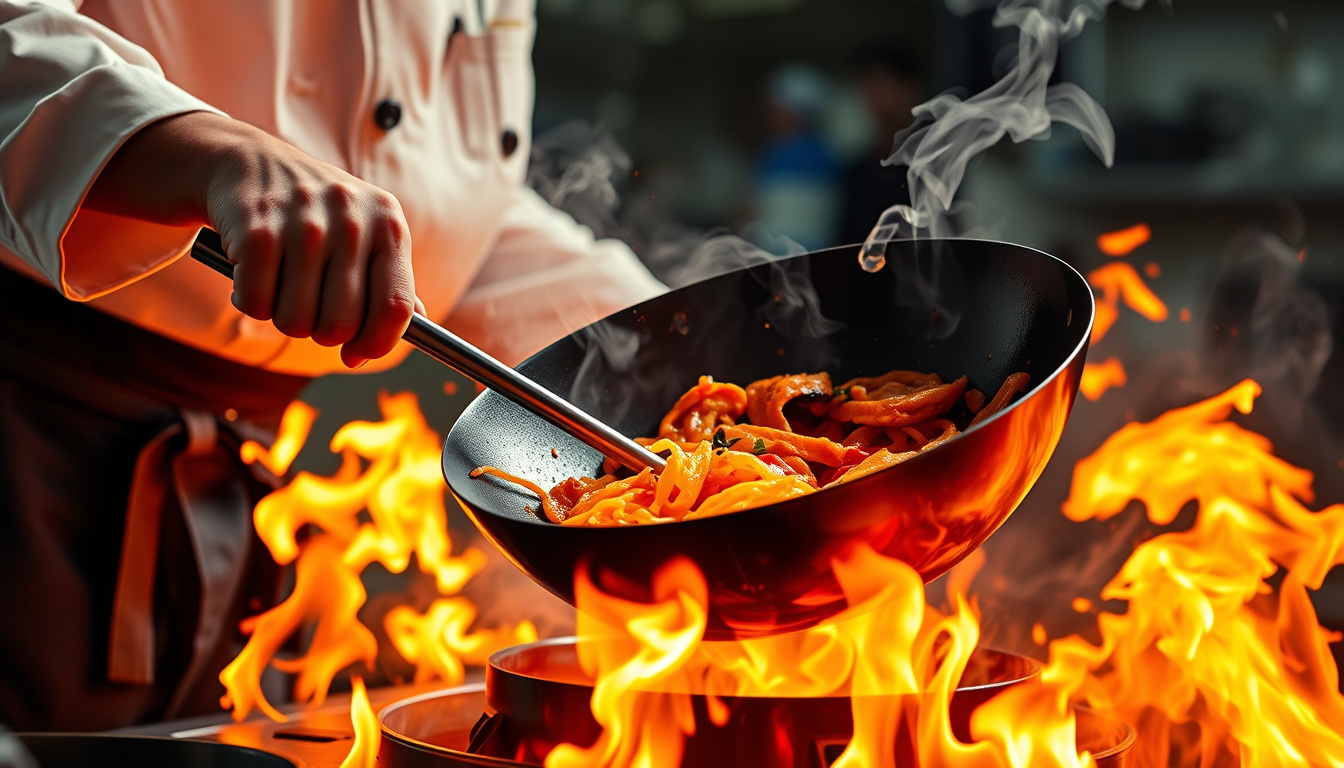
- Developing “Wok Hei”: The gradual cooling ensures the seasoning bonds well, which preserves the wok’s surface that imparts the coveted wok hei flavor during stir-fries.
- Preventing Rust: Sudden cooling followed by improper drying can cause condensation leading to rust. A natural cooldown combined with diligent wiping with a thin layer of oil post-cooling helps maintain your wok’s pristine condition.
- Retaining Aromatics’ Infusion: When seasoning with aromatics, a slow cooldown lets these flavors embed subtly into the wok’s layers, enhancing subsequent cooking.
How to Allow Your Wok to Cool Naturally — Best Practices
- Remove from Heat Carefully: Once cooking or seasoning ends, take the wok off the burner using heat-resistant gloves or mittens.
- Place the Wok in a Safe, Ventilated Spot: Avoid sudden exposure to cold water or cold surfaces like tile countertops.
- Avoid Rinsing or Cold Water Baths Immediately: Don’t immerse the hot wok into water right away, as the temperature contrast can cause warping or cracking.
- Wait for Room Temperature: Allow the wok to cool completely before cleaning with warm water and soft cleaning tools.
- Dry and Oil After Cooling: Once cooled, wipe the wok dry thoroughly, then apply a light coating of a high smoke point oil (e.g., canola, peanut, grapeseed) before storing.
Additional Tips for Maintaining Your Wok’s Performance and Longevity
- Season Regularly: Even if your wok is pre-seasoned, periodic seasoning refines the non-stick surface.
- Choose Appropriate Oils: Use high smoke point oils like canola, peanut, grapeseed, or sunflower for seasoning and cooking to avoid burnt residues.
- Use Gentle Cleaners: Avoid harsh detergents that strip seasoning; instead, use warm water and a soft sponge or brush.
- Store Properly: Keep your wok in a dry place to prevent rust.
- Recognize Different Wok Types: Carbon steel woks require regular seasoning; cast iron woks are durable but heavier and also benefit from proper cooling and oiling.
Conclusion
Allowing your wok to cool naturally is a fundamental step in maintaining this indispensable kitchen tool. It guards against damage, preserves the essential seasoning layers, and ultimately enhances the flavors you create. With proper cooling, seasoning, and care, your wok will reward you with years of versatile, flavorful cooking — embodying the true spirit of wok hei and culinary mastery.
References
- Seasoning techniques and cooling benefits outlined by experienced chefs such as those shared by Linda Ooi of Roti n Rice, Jeremy Pang, and culinary experts on Instagram.
- Common practices for carbon steel wok maintenance and seasoning protocols.
By embracing these simple care habits, you’ll transform your wok from a cooking vessel to a long-lasting kitchen companion delivering authentic, delicious stir-fries every time.