Mandy Croft
## How to Store a Wok: Easy Tips to Prevent Rust and Extend Its Life
A wok is a versatile kitchen tool.
It is perfect for stir-frying.
It is great for sautéing and steaming.
But proper storage is crucial.
It maintains your wok’s peak performance.
It ensures your cookware lasts for years.
The most critical rule?
Always store your wok in a dry place.
Here is why dry storage matters.
Plus, how to do it effectively.
Why Store Your Wok in a Dry Place?
Preventing Rust and Corrosion
Most traditional woks are made from carbon steel or cast iron, materials that are prone to rust if exposed to moisture. Even stainless steel woks, while more resistant, can develop spots or tarnish if stored in a damp environment. Moisture is the enemy because it accelerates oxidation, leading to rust that can damage your wok’s surface and affect your food’s flavor.
Preserving the Seasoning Layer
If you own a carbon steel or cast iron wok, it likely has a seasoning layer — a natural, non-stick protective coating built up through repeated use and oiling. Moisture can degrade this seasoning, making the wok sticky or causing food to stick. Keeping your wok dry helps maintain this protective layer and ensures a smooth cooking surface.
Avoiding Mold and Odors
A damp environment can foster unpleasant mold or mildew growth on the wok or its handle, especially if it’s made of wood or bamboo. Additionally, residual moisture trapped in your wok can create musty odors inside your kitchen storage space.
How to Properly Store Your Wok
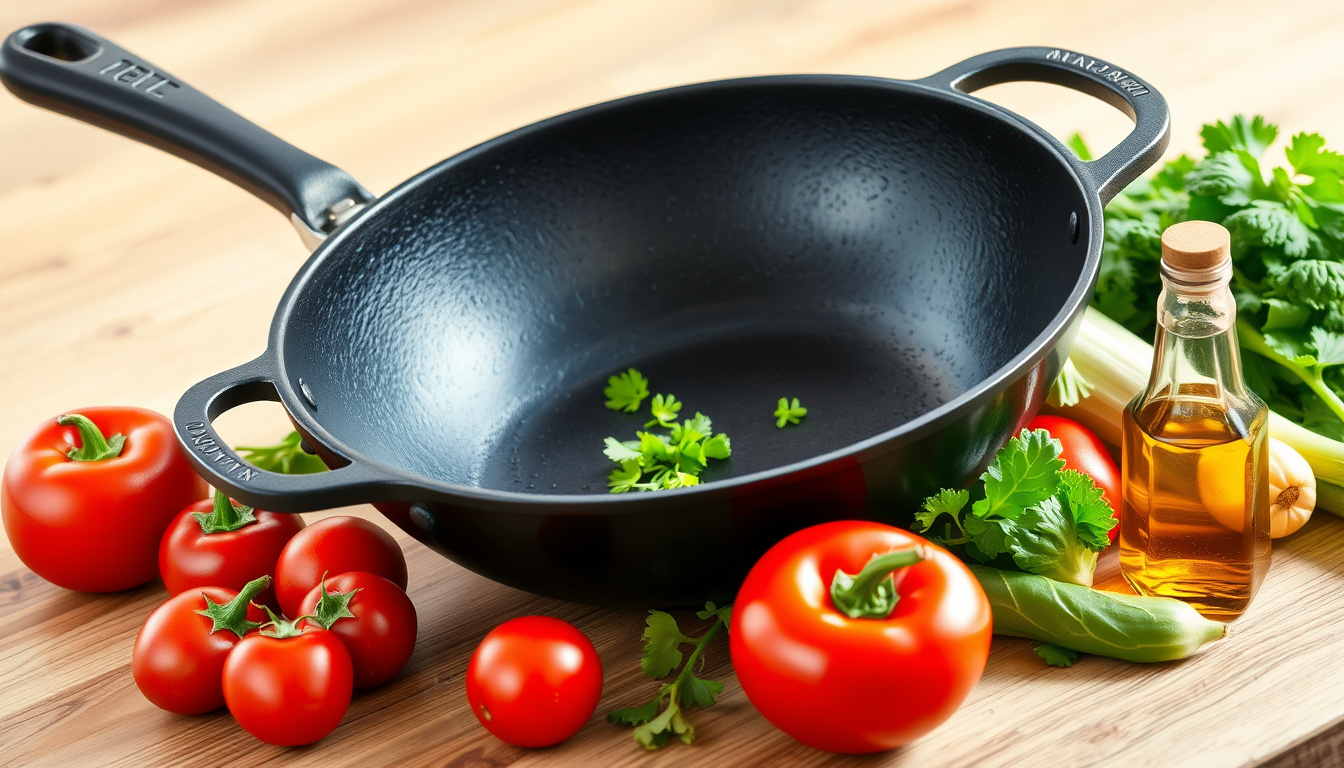
1. Thoroughly Dry Your Wok After Use
Before storing, make sure your wok is completely dry. After washing with warm water, dry it immediately and thoroughly with a clean towel. You can also heat it briefly on the stove to evaporate any lingering moisture.
2. Lightly Oil Your Wok
For carbon steel or cast iron woks, apply a thin layer of cooking oil on the surface to protect it from air and moisture. Use a paper towel to evenly spread the oil and prevent sticky residue.
3. Choose a Cool, Dry Location
Avoid storing your wok near sinks, dishwashers, or humid areas like under the kitchen sink. Instead, keep it somewhere cool and dry — preferably in a cabinet or on a sturdy wall hook away from steam and water sources.
4. Use Proper Storage Tools
If space allows, hang your wok by its handle on a dedicated kitchen hook or rack to keep it ventilated and dry. Avoid stacking other heavy cookware inside the wok that might trap moisture. If you store it in a cabinet, consider placing a paper towel or cloth inside the wok to absorb any minor moisture.
5. Regular Maintenance Checks
Inspect your wok regularly for signs of moisture, rust, or seasoning degradation. If you notice rust, scrub it gently with a steel wool pad, rinse, dry, and re-season the wok immediately.
Additional Tips for Wok Care
- Avoid Soap for Regular Cleaning: Soap can strip your wok’s seasoning. Instead, clean it with hot water and a soft sponge.
- Store Away from Strong Odors: Woks can sometimes absorb strong smells if stored near pungent spices or cleaning agents.
- Keep Handles Dry: If your wok has wooden handles, wipe them dry to prevent swelling or cracking.
Conclusion
Storing your wok in a dry place is a simple yet essential step in preserving its functionality and extending its life. By thoroughly drying your wok, applying a protective oil layer, and choosing an appropriate dry storage spot, you can protect it from rust, maintain its seasoning, and keep it ready for your next delicious stir-fry. Remember, consistent care and proper storage will keep your wok pristine and performing beautifully for years to come.
With these tips in mind, you’ll enjoy cooking with your wok every day without worrying about moisture damage or rust. Happy cooking!