Mandy Croft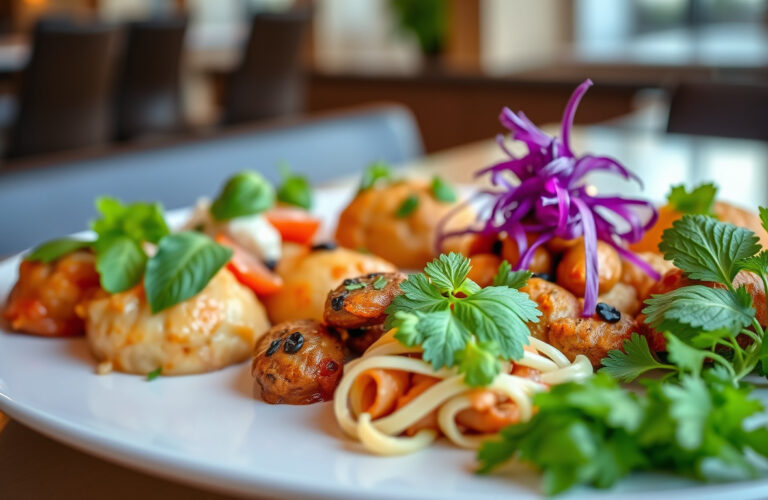
Fresh herbs are culinary treasures that enhance dishes not only with vibrant color but also with fresh, aromatic flavors. Beyond seasoning, they add a sophisticated finishing touch as garnishes, elevating both everyday meals and special culinary creations. Whether you are a novice cook or a seasoned chef, learning to use fresh herbs effectively as garnishes can transform your dishes from simple to spectacular.

Why Garnish with Fresh Herbs?
Using fresh herbs as garnishes offers multiple benefits:
- Flavor Enhancement: Fresh herbs boost flavor by adding brightness, earthiness, or a subtle hint of spice, often enhancing the main ingredients without overpowering them.
- Visual Appeal: A sprinkle of finely chopped parsley, a delicate sprig of dill, or vibrant basil leaves can add a pop of color and visual contrast, making your plate more inviting.
- Health Boost: Fresh herbs are packed with vitamins, antioxidants, and medicinal qualities, making your dish not only tastier but also more nutritious.
Popular Fresh Herbs for Garnishing
Here is an overview of commonly used fresh herbs that excel as garnishes along with tips on how to use them creatively:
1. Basil
- Flavor: Sweet, peppery with mild anise notes.
- Use: Tear or slice leaves to top pizzas, flatbreads, or fresh salads. Basil’s delicate leaves taste best when added at the end or used raw.
- Creative Tip: Garnish grilled dishes with whole leaves or edible flower buds for a Mediterranean flair.
2. Chives
- Flavor: Mild, light onion taste.
- Use: Finely chop and sprinkle over mashed potatoes, scrambled eggs, or creamy dips.
- Creative Tip: Use the hollow stalks as elegant “straws” in cocktails or soups for a subtle onion aroma.
3. Cilantro
- Flavor: Bright, citrusy, sometimes polarizing.
- Use: Chop and scatter over salsas, curries, or rice bowls.
- Creative Tip: Combine with dill to garnish hearty grain or roasted vegetable salads to add layered freshness.
4. Dill
- Flavor: Grassy, sharp, and tangy.
- Use: Sprinkle fresh dill fronds on fish dishes, pickles, or creamy dressings like tzatziki.
- Creative Tip: Use feathery fronds as a decorative finishing touch on potato salads or dips for texture contrast.
5. Mint
- Flavor: Sweet, cooling, with notes of menthol.
- Use: Add to beverages such as mojitos or iced tea; scatter over fruit salads or Middle Eastern dishes like tabbouleh.
- Creative Tip: Cluster small sprigs with other fresh herbs as a colorful and aromatic garnish (sabzi khordan style).
6. Parsley
- Flavor: Fresh, slightly grassy.
- Use: Chop and sprinkle over garlic-heavy dishes, chickpea stews, or mushroom plates.
- Creative Tip: Use whole curly parsley sprigs to crown soups or serve as edible “green bouquets” with appetizers.
How to Prepare Fresh Herbs for Garnish
- Wash Gently: Rinse herbs under cold water or soak briefly to remove dirt without bruising. Dry thoroughly to avoid sogginess.
- Use Fresh: Add delicate herbs like basil or parsley right before serving to preserve their aroma, color, and texture.
- Cut with Care: Tear leaves rather than cutting with a knife to prevent bruising and browning.
- Keep Stems in Mind: Some herbs, like basil, have bitter stems best discarded, while others like cilantro stems add flavor and texture.
Storing Fresh Herbs to Maintain Garnish Quality
Proper storage can extend the life of fresh herbs, allowing you to have fresh garnishes ready whenever you cook:
- Upright in Water: Trim stems and place herbs in a glass with an inch of water, similar to a bouquet. Change water every couple of days.
- Refrigeration: Wrap flat-leaf herbs in a damp paper towel and store in a sealed plastic bag in the fridge. Basil is an exception; keep it at room temperature in water.
- Freezing for Later Use: Chop herbs and freeze them in ice cube trays with olive oil or water to preserve bursts of herbal flavor for sauces and sautés.
Creative Uses Beyond Traditional Garnishing
Don’t limit fresh herbs to mere decoration—they can also enrich dishes creatively:
- Herb Oils and Butters: Blend fresh herbs with oil or softened butter for flavorful drizzles or spreads.
- Green Sauces and Pestos: Use up herb bunches by making chimichurri, salsa verde, or pesto—perfect for drizzling over grilled meats or vegetables.
- Herb Syrups: Infuse fresh mint or basil in simple syrups to add an herbal twist to desserts and cocktails.
- Flavored Salts: Dry and crush herbs with salt for homemade seasoning blends to sprinkle as a final touch.
Final Thoughts
Using fresh herbs as garnishes is a simple, elegant way to boost your culinary creations visually and flavor-wise. By understanding the characteristics of different herbs and keeping them fresh and vibrant, you can add that extra flair to your dishes effortlessly. Whether you sprinkle, tear, or place a sprig with care, fresh herbs bring life — and love — to every plate.
Embrace the art of garnishing with fresh herbs, and watch everyday meals turn into extraordinary experiences for the palate and the eyes.