Mandy Croft
## Cooking with Acid in Cast Iron: Protect Your Pan
Cast iron skillet cooking is famous for a reason.
It delivers incredible heat retention.
It lasts for generations.
It adds deep flavor to your meals.
But should you cook with acidic ingredients?
Many home cooks hesitate here.
They worry about ruining their cast iron seasoning.
They fear a metallic taste in their food.
Here is what you need to know to protect your pan.
What is Seasoning and Why Does it Matter?
Seasoning on cast iron pans is essentially a layer of polymerized oil that has been baked onto the surface. This creates a natural, non-stick coating that protects the pan from rust and enhances food flavors. The integrity of this seasoning is critical to maintaining your pan’s performance and longevity.
The Impact of Acidic Ingredients on Cast Iron Seasoning
Acidic ingredients have the potential to break down seasoning because they react with the pan’s surface. This reaction can:
- Strip away layers of seasoning: Prolonged exposure to acids can dissolve the polymerized oil layer, causing the pan to lose its protective coating.
- Impart off-flavors: When seasoning is compromised, acidic foods may develop a metallic or off taste due to direct contact with the cast iron.
- Lead to rusting: Once the seasoning wears off, exposed cast iron is susceptible to rust.
Why Avoid Acidic Ingredients Early?
To maintain the seasoning and avoid these issues, it is crucial to avoid introducing acidic ingredients at the very beginning of the cooking process unless your pan is well-seasoned. Early introduction of acids means the pan’s seasoning has less protection and is more vulnerable to damage because:
- The acidic ingredients remain in contact with the pan for a longer duration, increasing the chance of breaking down the seasoning.
- The pan surface is often hotter and more reactive at the start, exacerbating the effect of the acid.
Best Practices for Cooking Acidic Foods with Cast Iron
1. Use a Well-Seasoned Pan
Seasoning builds up over time by cooking fats, oils, and other non-acidic foods like vegetables and cornbread. A well-developed seasoning layer can better withstand short cooking periods with acidic ingredients. If your pan is new or lightly seasoned, avoid acidic foods until the seasoning is stronger.
2. Time Your Acidic Ingredients Later
Add acidic components such as tomatoes, lemon juice, or wine toward the end of the cooking process. For example:
- Quickly simmering tomatoes in dishes like chicken parmesan or a lemon butter sauce will have a minimal impact on seasoning.
- Deglazing with wine or a splash of lemon juice after searing meat should not harm the seasoning if done briefly.
For recipes that require prolonged cooking with acids, such as long-simmered tomato sauces or braises, enameled cast iron cookware is recommended as it does not react with acidic foods.
3. Clean and Maintain Promptly
After cooking with acidic ingredients:
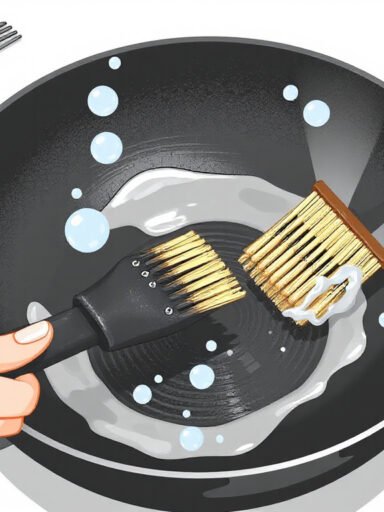
- Clean the pan promptly once it has cooled.
- Dry it thoroughly to prevent rust.
- Apply a thin layer of oil or seasoning spray to renew the protective layer.
Regular cleaning and oiling support the longevity of your seasoning and prevent damage over time.
Conclusion
Avoiding acidic ingredients early in your cooking process is a simple yet essential step in protecting your cast iron seasoning. By using a well-seasoned pan, timing your acidic additions carefully, and maintaining your cookware diligently, you can continue to enjoy the versatility and rich flavors that cast iron offers without compromising its protective seasoning. Whether you’re cooking a quick citrus sauce or slow-cooking tomato-based dishes, understanding how to work with acidity ensures your beloved pans remain in prime condition for many meals to come.