Mandy Croft
Thinly sliced vegetables elevate the texture and presentation of dishes, allowing flavors to meld evenly and providing a refined eating experience. Whether you crave the delicate ribbons of radishes in a salad or the uniform layers for a gratin, mastering the skill—or making use of the right tools—is key. This guide will walk you through essential techniques, tools, safety tips, and delicious recipe ideas to confidently slice vegetables thinly every time.
Why Slice Vegetables Thinly?
Slicing vegetables thinly has several culinary advantages:
- Even Cooking: Thin, uniform slices cook faster and more evenly, preventing some pieces from overcooking while others remain underdone.
- Enhanced Texture: Thin slices add a tender, melt-in-your-mouth texture prized in many salads, garnishes, and side dishes.
- Visual Appeal: Uniform, wafer-thin slices impart elegance and sophistication to your plating.
- Flavor Absorption: Thin slices absorb dressings, sauces, and spices more readily, intensifying taste.
Tools to Achieve Perfect Thin Slices
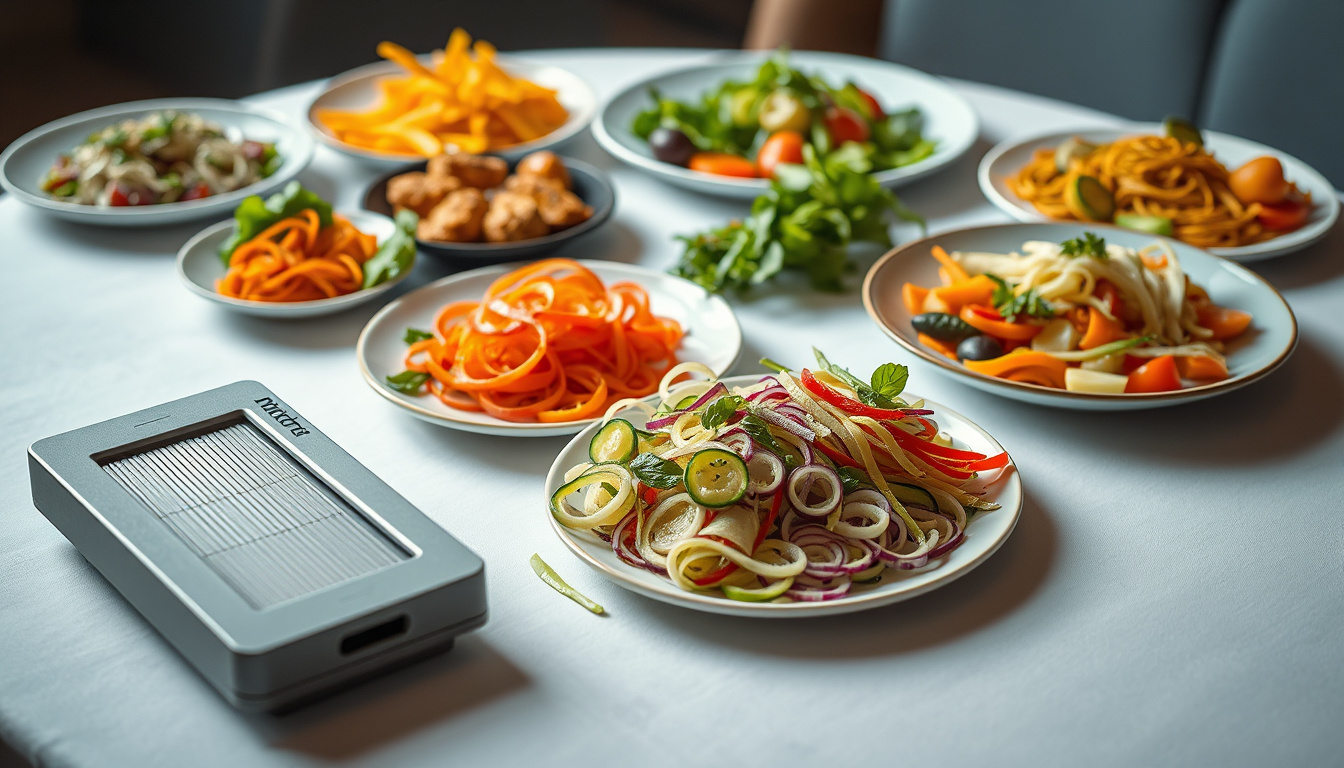
While knife skills are invaluable, specialized tools can simplify and speed up the process.
1. The Mandoline Slicer
The mandoline is a versatile kitchen essential designed to slice fruits and vegetables into uniform thin slices, julienne, or even crinkle cuts.
- Features: Adjustable blade thickness, various blade types, and safety handguards.
- Advantages: Creates consistent, razor-thin slices faster than a knife; ideal for gratins, salads, and garnishes.
- Safety Tips: Mandoline blades are extremely sharp—always use a cut-resistant glove and the handguard or a clean kitchen towel to push vegetables safely.
- Popular Uses: Shaving root vegetables (e.g., carrots, beets, kohlrabi) into ribbons perfect for salads or turning onions into uniform slices for even cooking.
2. Sharp Chef’s Knife
For those honing knife skills, a sharp, well-balanced chef’s knife can produce thin slices through practice and patience.
- Technique: Square off the vegetable to create a stable base, hold the knife steady, and use a rocking motion to slice thinly.
- Challenges: Requires a very sharp blade and steady hand; more time-consuming and less uniform than a mandoline.
3. Other Tools
- Food Processors with Slicing Attachments: Useful but sometimes less precise for very thin slices.
- Vegetable Peelers: Great for very thin ribbons but limited to softer vegetables.
How to Slice Vegetables Thinly: Step-by-Step Guide
- Choose Fresh, Firm Vegetables: Firmer vegetables slice more cleanly and hold together better.
- Prepare the Vegetable: Wash and peel if necessary. Trim ends and create a flat base for stability.
- Adjust Thickness: Set mandoline or knife-cut thickness based on recipe needs, typically ranging from 1mm to 2mm for very thin slices.
- Use Safety Gear: Always employ a handguard, cut-resistant glove, or push vegetable with a kitchen towel to avoid injuries.
- Consistent Pressure & Motion: Slide or slice smoothly and evenly for uniform slices.
- Practice Patience: Thin slicing takes practice to perfect; start slow to avoid accidents or uneven cuts.
Delicious Recipes Featuring Thinly Sliced Vegetables
1. Winter Greens Salad with Shaved Beets and Radishes
- Preparation: Thinly slice beets and radishes on a mandoline.
- Dressing: Olive oil, lemon juice, flaky salt, and black pepper.
- Optional Additions: Flax seeds, shaved Parmesan for added texture and flavor.
2. Potato Gratin
- Preparation: Use a mandoline to create consistent, paper-thin potato slices.
- Cooking: Layer slices with cream, garlic, and cheese to achieve a silky, rich texture with even cooking.
3. Root Vegetable Slaw
- Preparation: Julienne carrots, celery root, and kohlrabi with uniform thin strips starting from thin mandoline slices.
- Dressing: Tangy mustard-mayo vinaigrette or a light lemon dressing.
4. Thai-Style Fried Shallots or Chili Crisp
- Preparation: Thinly sliced shallots cooked evenly to golden crispness thanks to uniform slicing.
- Use: Garnish soups, stir-fries, or steamed rice for crunch and depth of flavor.
Safety Reminders When Slicing Thinly
Thin slicing often involves sharp blades and pressure, so keep these tips in mind:
- Always use the provided handguard or push tools like clean kitchen towels.
- Wear a cut-resistant glove for extra protection.
- Keep your tools clean and dry to avoid slips.
- Cut slowly and deliberately when learning the technique.
Final Thoughts
Slicing vegetables thinly may feel daunting initially, but with the right tools and techniques, it becomes a straightforward task that enhances your cooking immensely. The mandoline slicer proves to be an incredible time-saver and helps home cooks achieve professional-level slices that improve both dish texture and presentation. Coupled with sharp knives and safety measures, mastering thin slicing opens up a world of delicious, artfully prepared vegetable dishes.
Try incorporating thinly sliced veggies into your next meal and enjoy the beautiful balance of flavor, texture, and elegance they bring to your table!