Mandy Croft
## Master the Art of Steaming: Healthy Cooking with Minimal Water
Steaming is a timeless cooking technique.
It preserves natural food flavors.
It keeps textures crisp.
It locks in essential nutrients.
Want to cook crisp vegetables?
Need to prepare tender fish?
Looking for fluffy grains?
Healthy steaming offers a gentle, fat-free way to cook.
It enhances the true essence of your ingredients.
Why Use Minimal Water When Steaming?
When steaming food, it’s important to remember that the water’s purpose is solely to produce steam—not to cook the food by direct contact. Using just a small amount of water:
- Preserves Nutrients: Unlike boiling, which can leach precious vitamins (like C and B) into the water, steaming with minimal water keeps nutrients locked inside the food, retaining up to 50% more vitamins.
- Maintains Texture: Foods remain crisp, tender, and moist without becoming soggy or waterlogged.
- Enhances Flavor: Since food doesn’t sit in water, its natural taste is intensified, and there’s no risk of dilution.
- Prevents Waste: Less water means less energy consumption and a shorter cooking time.
How Much Water is Enough?
A common question is: “How much water should I put in the pot?” The answer depends on your steaming vessel but generally:
- Use just enough water to reach the base of the pot or to about 2 to 5 cm (roughly 1 to 2 inches) deep.
- The water level should be below the steaming basket/tray so the food does not touch the water.
- Before starting, always check the water level and top up as needed during longer steaming sessions to prevent the pot from running dry, which can damage cookware and affect cooking quality.
Choosing the Right Water
Using clean, low-mineral water such as filtered or spring water is ideal. This helps avoid mineral buildup on your cookware, particularly if you live in a hard water area. For a flavor boost, consider adding:
- Herbs like thyme, bay leaves, or rosemary to the water.
- Stock or broth for subtle aromatic notes that gently infuse the food through the steam.
Optimal Steaming Equipment
While you can steam with basic kitchen tools, choosing the right accessories helps make the process smoother and more effective:
- Steamer Basket: A perforated basket (made of stainless steel or bamboo) fits inside or atop a pot without touching the water. Stainless steel baskets are durable and dishwasher safe; bamboo baskets add a charming, authentic touch and stack for multi-level cooking.
- Steaming Trays and Multi-Purpose Pans: Some pans come with included steaming trays that fit perfectly, allowing efficient use with minimal water.
- Electric Steamers and Steam Ovens: These appliances automate water usage and often include settings to maintain water levels and temperature precisely for perfect results.
- DIY Method: If you lack a basket, use a metal colander that fits snugly over your pot, ensuring that food doesn’t get submerged.
Step-by-Step: How to Steam Using Minimal Water
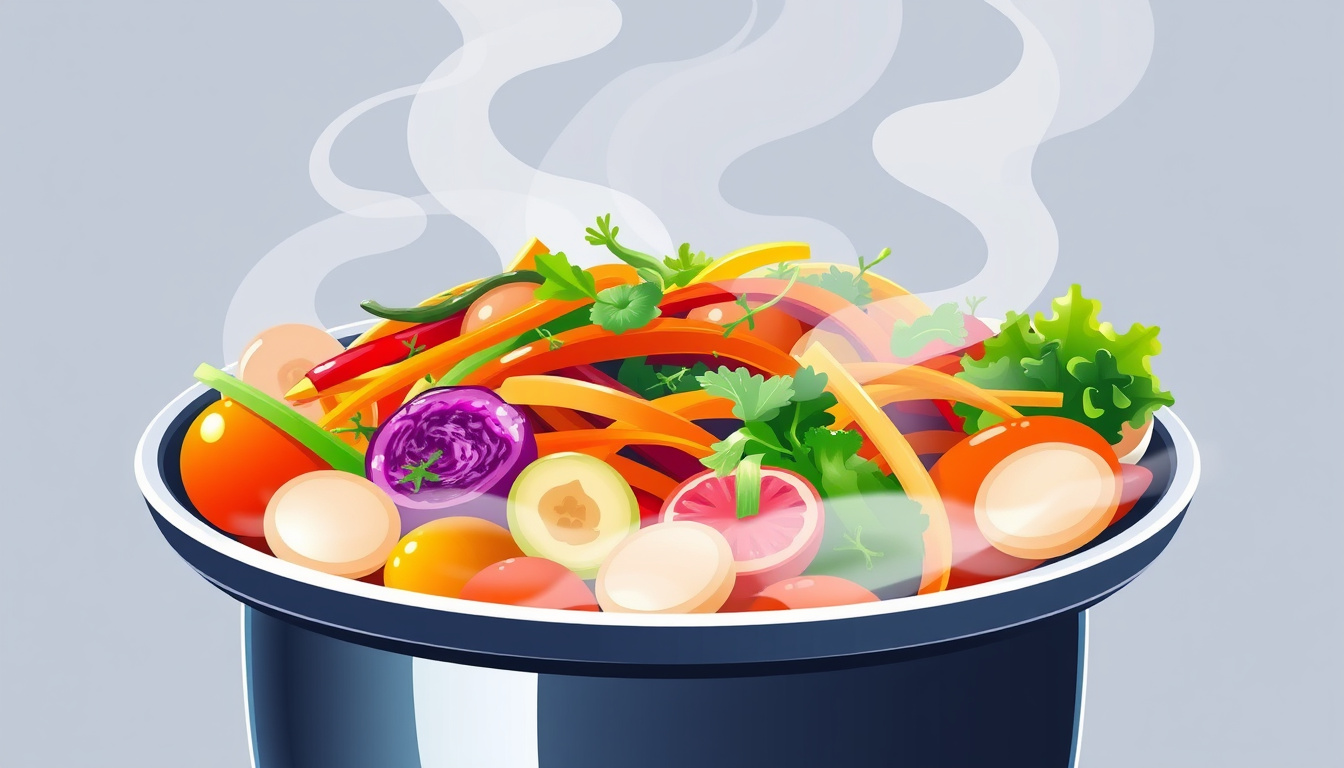
- Pour 2–5 cm of water into the bottom of your pot or steamer.
- Bring the water to a gentle boil over medium heat.
- Place the steamer basket above the water, ensuring it does not touch the liquid.
- Arrange food in a single layer with uniform sizes for even cooking.
- Cover with a well-fitted lid to trap steam inside.
- Maintain the heat at a level that keeps water simmering gently, adding more water if necessary during longer cooking times.
- Time your steaming according to the food type (e.g., leafy greens 4–6 minutes, fish 6–10 minutes, chicken 15–20 minutes).
Additional Tips for Flavor and Efficiency
- Don’t overcrowd the basket: Steam needs to circulate freely around the food.
- Cut food into even pieces: This ensures uniform cooking.
- Add aromatics to water or line the basket: Placing a cabbage leaf, some herbs, or citrus slices under the food can prevent sticking and impart subtle flavors.
- Microwave steaming: Place vegetables in a bowl with a tablespoon of water, cover loosely, and microwave to steam when you’re short on time or equipment.
Conclusion
Using only a small amount of water in steaming is not just about conservation—it’s a vital technique that accentuates the method’s health benefits, enhances flavor, and maintains ideal textures. By mastering this approach, anyone can elevate everyday dishes with vibrant taste and nutritious appeal. Whether you use a high-tech steamer, a simple basket, or an improvised colander setup, the key is minimal water, consistent steam, and thoughtful preparation. Start steaming with care and enjoy food cooked to perfection, every time.