Mandy Croft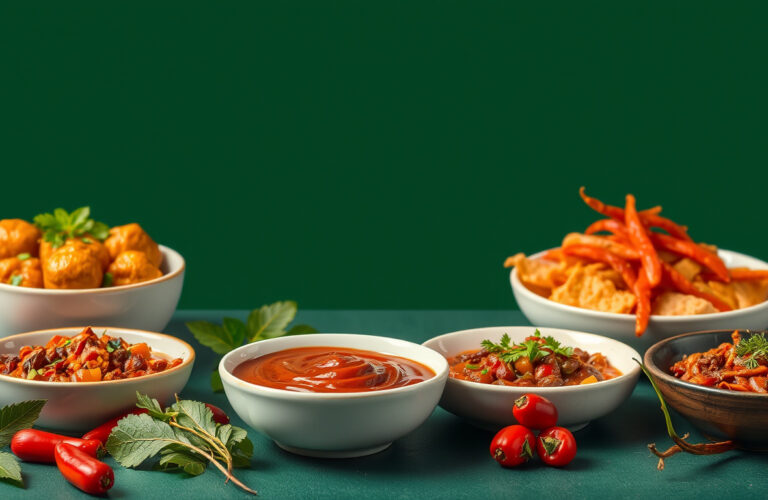
Tamarind paste is a vibrant and versatile ingredient, renowned for its unique tangy flavor that elevates a wide array of dishes from Indian stews to Southeast Asian sauces. Its distinctive sourness, paired with subtle fruity and sweet undertones, makes it a beloved pantry staple for home cooks and chefs alike. In this article, we’ll explore how to harness tamarind paste to add irresistible tanginess, how to make it at home, and tips for its optimal use and storage.
What Is Tamarind Paste and Why Use It?
Tamarind paste is essentially concentrated tamarind pulp cooked down and strained into a smooth, thick consistency. This preparation is prized for imparting a sharp, bright acidity along with a mildly sweet note. Unlike fresh tamarind pods, the paste is convenient and long-lasting, making it easy to add instant zing to:
- Soups such as South Indian rasam or sambar
- Fresh chutneys and dips
- Tangy marinades and barbecue sauces
- Classic dishes like Pad Thai or tamarind chicken
- Beverages and candies
In many Indian kitchens, tamarind is a staple souring agent, often extracted by soaking tamarind pulp in hot water. Tamarind paste, however, condenses this step, providing a clean and consistent source of tanginess without the need for soaking and straining each time.
How to Make Tamarind Paste at Home
Making tamarind paste is easier than you might think and requires just two ingredients: tamarind pulp and water.
-
Select the Tamarind: Indian tamarind is notably more sour than the sweeter Thai variety. For cooking tanginess, Indian tamarind pulp (seedless or with seeds removed) is ideal.
-
Soak Tamarind Pulp: Place tamarind pulp in a wide bowl and cover it with hot (not boiling) water, typically 1½ to 3 cups depending on pulp dryness. Soak for 45 minutes to 1 hour until soft.
-
Extract Pulp: Squeeze and mash the softened tamarind thoroughly to release the pulp. Pass this mixture through a fine strainer into a pot to remove seeds, fibers, and debris.
-
Repeat Extraction: Add more soaked water to the leftover pulp, squeeze again, and strain to maximize yield. Avoid overdoing this to prevent grit and mud in your paste.
-
Reduce to Paste: Simmer the strained tamarind water over medium heat for about 5–7 minutes until it thickens into a paste. Keep the pot partially covered and watch carefully to avoid splatter.
-
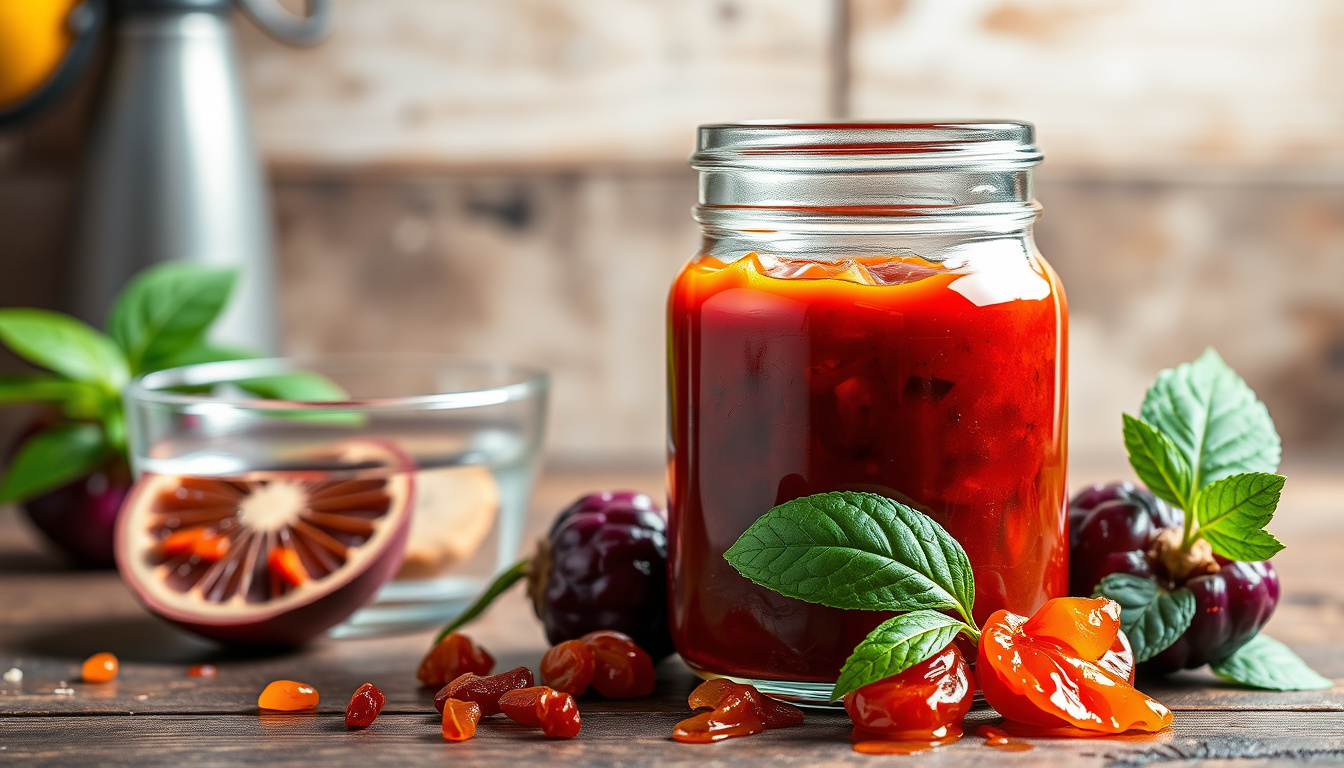
Cool and Store: Once thickened, cool the paste and transfer to a clean, dry glass jar. Refrigerate and use within a month, or freeze for longer storage (up to a year). Always use dry utensils to prevent spoilage.
Tips for Using Tamarind Paste
-
Adjust Quantity for Tanginess: The paste delivers concentrated sourness, so start with small amounts and adjust according to taste. It blends beautifully into curries, lentil stews, chutneys, and salad dressings.
-
Complement with Sweetness or Spice: Tamarind’s tartness pairs well with brown sugar, chili flakes, or garlic to balance and deepen flavor profiles. For example, a simple mix of tamarind paste, brown sugar, vinegar, and chili flakes makes a fantastic tangy glaze for grilled meats.
-
Avoid Reactive Cookware: Cook tamarind paste in non-reactive pots like stainless steel or enamel to preserve flavor and prevent discoloration.
-
Substitute When Needed: If tamarind is unavailable, alternatives like lemon juice, vinegar, or amchur (dry mango powder) can provide acidity, but they won’t replicate the complex fruity sourness of tamarind exactly.
Common Uses of Tamarind Paste for Tanginess
- South Indian Cuisine: Enhances sambar, rasam, pulihora, and chutneys where a sour zing is essential.
- Thai and Southeast Asian Dishes: Integral to Pad Thai sauce and other stir-fry dishes to add depth and acidity.
- Mexican and Latin American Recipes: Found in sauces and marinades that rely on tamarind’s sweet-tart character.
- Beverages and Pickles: Adds a refreshing tang to drinks and balanced flavor to spicy pickles.
Storage and Shelf Life
When stored properly in airtight glass containers and refrigerated, tamarind paste can last about a month without preservatives. For extended storage, freezing the paste is recommended and can preserve its quality for up to a year. Avoid plastic containers as tamarind’s acidity may react and affect flavor and safety.
Final Thoughts
Tamarind paste is a culinary powerhouse, delivering irresistible tanginess that enlivens dishes across cultures. Whether you make your own paste at home or buy a quality store-bought version, understanding how to use it effectively lets you unlock a wealth of vibrant flavors. Experiment with tamarind paste in your favorite recipes to experience the bright, fruity zest it brings to your cooking.
Quick Tamarind Paste Recipe Recap:
- Soak tamarind pulp in hot water (1:2 ratio)
- Squeeze and strain to remove solids
- Simmer strained liquid until thick
- Cool and store in glass jar
This simple process yields a clean, flavorful paste ready to amp up your meals with tangy delight anytime!