Mandy Croft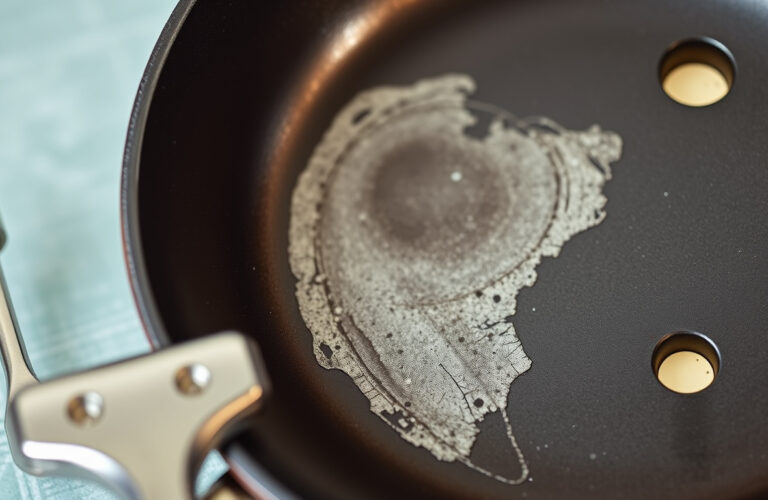
Metal scrubbers, particularly stainless steel varieties, are widely used in kitchens for their durability and powerful cleaning capabilities. They can effectively tackle tough grime and rust on various surfaces. However, despite their strength, metal scrubbers pose significant risks when used on certain cookware and household items. Understanding these dangers is essential to maintaining the longevity of your kitchen tools and protecting your health.
The Appeal of Metal Scrubbers
Stainless steel scrubbers are made of tightly coiled steel wires, creating an abrasive tool that excels in removing stubborn residues such as rust, baked-on food, and grime. They are popular because they:
- Are affordable and long-lasting.
- Restore tough surfaces like grill grates and cast iron pans.
- Work well on non-delicate materials to remove buildup quickly.
Their efficiency sometimes leads to overuse or misuse on vulnerability-prone surfaces, resulting in unintended damage.
What Makes Metal Scrubbers Risky?
The key issue with metal scrubbers is their abrasive nature. While this helps in cleaning hard surfaces, it can also strip away protective coatings or scratch delicate materials, potentially shortening cookware lifespan and creating health hazards.
Damage to Cookware Surfaces
- Non-Stick and Coated Cookware: Many modern pots and pans come with non-stick or ceramic coatings designed to make cooking and cleaning easier. Metal scrubbers can scratch or completely remove these coatings, rendering the cookware useless or prone to sticking.
- Ceramic-Coated Cast Iron: Using metal scrubbers on ceramic-coated cast iron pans can lead to chipping and degradation of the coating.
- Glass Cooktops: Abrasive scrubbers can scratch the glass surface, leading to cracks or other damage.
- Porcelain and Ceramic: These materials are prone to scratching, and metal scrubbers should be avoided to maintain their smoothness and appearance.
- Natural Stone Surfaces: Granite and other natural stone countertops can be scratched by metal scrubbers, damaging their finish and potentially allowing stains.
Health Concerns
Damaged cookware coatings can flake off into food, potentially exposing you to harmful chemicals or contaminants. Additionally, scratches in metal surfaces might harbor bacteria if not cleaned thoroughly. Over time, this could pose health risks, particularly with coatings containing synthetic materials.
When to Avoid Metal Scrubbers
Given these risks, it is important to avoid metal scrubbers on:
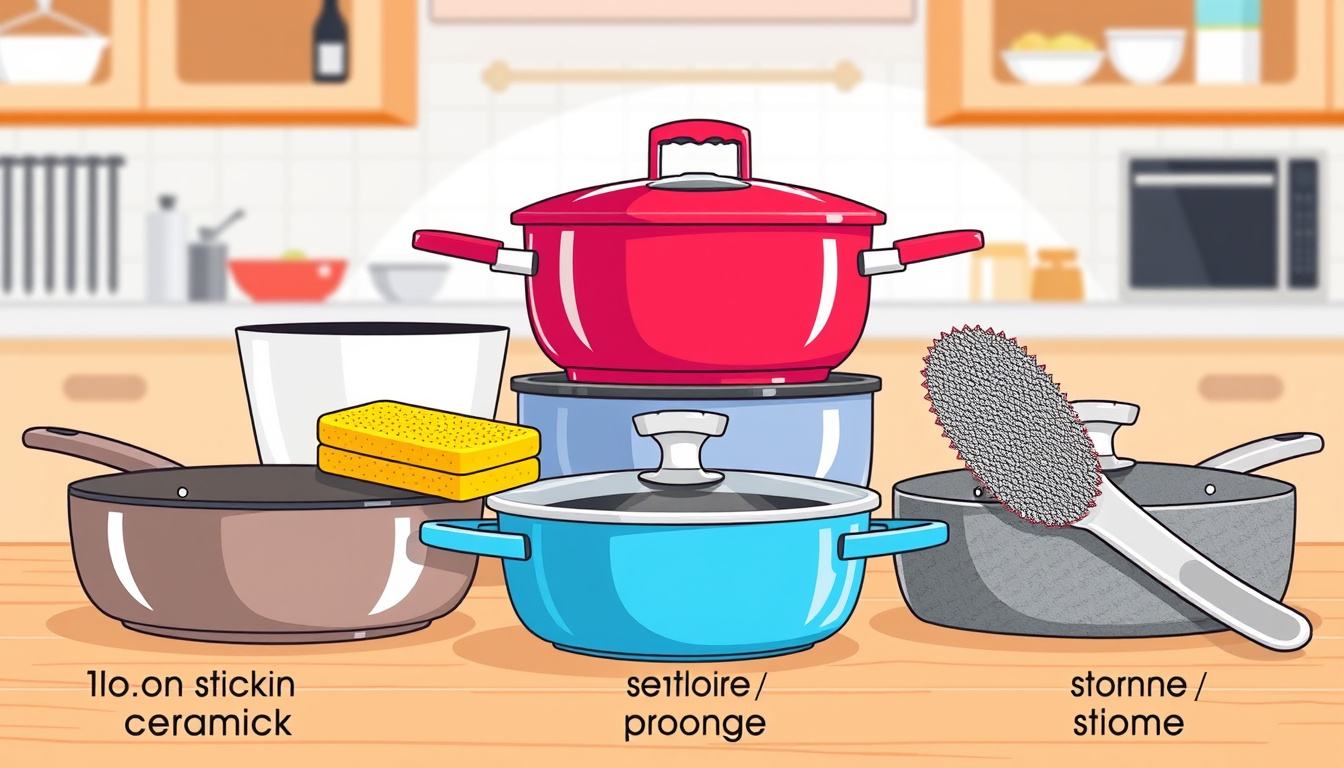
- Non-stick pans: Use soft sponges or cloths with mild dish soap.
- Ceramic-coated cookware: Opt for gentle cleaning agents and avoid any abrasive tools.
- Glass and ceramic cooktops or surfaces: Use specialized cooktop cleaners and soft sponges.
- Polished stainless steel appliances: Metal scrubbers can scar the finish; instead, use microfiber cloths and designed cleaners.
- Natural stone and granite countertops: Stick to soft cloths and appropriate stone cleaners.
Safer Alternatives to Metal Scrubbers
For delicate cookware and surfaces, consider:
- Soft sponges or nylon scrubbers: Gentle enough to clean without scratching.
- Baking soda paste: Acts as a mild abrasive suitable for stuck-on grime.
- Bar Keepers Friend or specialized cleaners: Made for tough spots without abrasive damage.
- Soaking in hot water with dish soap: Loosens grime for easier removal.
Appropriate Uses for Metal Scrubbers
Metal scrubbers do have legitimate uses when used cautiously on appropriate materials:
- Cleaning iron grill grates to remove rust and buildup.
- Scrubbing uncoated cast iron cookware for thorough cleaning without damaging seasoning.
- Removing rust from metal objects.
- Cleaning glass dishes with baked-on food, but with gentle pressure.
Conclusion
While metal scrubbers are powerful cleaning tools, their abrasive nature makes them unsuitable for delicate cookware or surfaces. Using them indiscriminately can lead to permanent damage to coatings, scratches, and potential health concerns due to flaked materials or harbored bacteria. For the longevity of your kitchen items and your well-being, it is best to reserve metal scrubbers for suitable surfaces, and rely on gentler alternatives for non-stick, ceramic, glass, and stone materials. Practicing mindful cleaning habits helps maintain pristine cookware and a healthier home environment.