Mandy Croft
Oyster sauce is a pantry powerhouse celebrated for its unique ability to bring deep, savory richness—known as umami—to a wide variety of dishes. Whether you’re stirring it into a quick weeknight stir-fry or experimenting with fusion recipes, oyster sauce transforms everyday meals into flavor-packed experiences.

Here’s everything you need to know about using oyster sauce to unlock umami in your cooking.
What Is Oyster Sauce?
Originating from a happy culinary accident in late 19th-century China, oyster sauce was first created when an overcooked pot of oyster soup reduced into a thick, flavorful brown sauce. This sauce quickly became beloved in Cantonese cuisine and beyond. Traditional oyster sauce is made from oyster extractives combined with salt, sugar, and often a touch of cornstarch to achieve its signature syrupy texture.
Unlike fish sauce, with its strong fishy aroma, oyster sauce offers a balanced profile of sweetness, saltiness, and rich umami depth—reminiscent of dark caramel and ocean brine but far more nuanced and mellow. This harmonious blend of flavors makes oyster sauce both distinctive and versatile.
The Flavor Profile: Umami in a Bottle
Oyster sauce is a natural umami booster. Umami is the fifth basic taste, often described as savory or meaty, and it elevates the overall depth of flavor in dishes. A small amount of oyster sauce adds complex layers of sweetness, salt, and that elusive savoriness that makes food irresistibly tasty.
While oyster sauce imparts a gentle seafood undertone, it doesn’t taste overtly “fishy,” making it broadly appealing—and an excellent addition even in non-Asian dishes. The sauce’s thick texture also adds a glossy brown color to foods, known in Chinese cooking as “sauce color,” signaling richness and flavor.
How to Use Oyster Sauce for Maximum Umami Impact
1. Stir-Fries
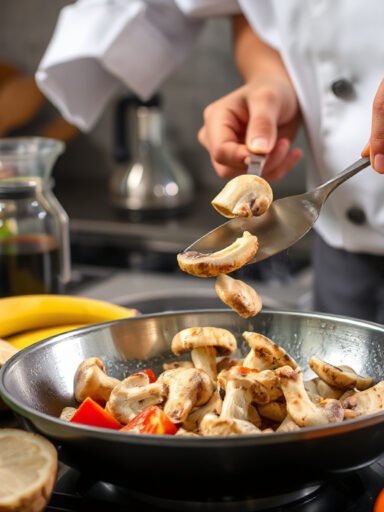
Oyster sauce is a classic addition to vegetable and meat stir-fries. After cooking your protein and vegetables, add a small spoonful of oyster sauce to the pan along with a splash of water or broth. Toss quickly to coat everything evenly and finish cooking. Because of its saltiness and concentration, a little goes a long way—start with a teaspoon or two and adjust to taste.
2. Marinades and Glazes
Incorporate oyster sauce into marinades for beef, chicken, pork, or even tofu for a rich umami punch. Combine it with soy sauce, garlic, ginger, and a sweetener like honey or brown sugar for a balanced flavor. It also works beautifully as a finishing glaze brushed on grilled or roasted meats.
3. Dipping Sauce and Condiment
Oyster sauce can be served as a complement to steamed greens like gai lan (Chinese broccoli), dumplings, or seafood. Simply drizzle a little warm oyster sauce over the vegetables or use it as a base sauce with chili oil or sesame oil for dipping.
4. Soups, Braises, and Stews
Add oyster sauce to broths, soups, or slow-cooked dishes to deepen flavor complexity. Its umami-rich nature enhances meaty and vegetable-based soups alike, blending seamlessly and enriching without overpowering.
5. Beyond Asian Cuisine
Don’t hesitate to experiment! Oyster sauce can be stirred into Italian pasta sauces or French dishes to intensify the savory notes, adding unexpected depth. It melds effortlessly into recipes featuring mushrooms, roasted vegetables, or eggs.
Tips for Using Oyster Sauce
- Balance is key: Oyster sauce is salty and sweet, so adjust other seasonings accordingly to avoid over-salting.
- Add it late: To preserve its flavor and gloss, add oyster sauce towards the end of cooking.
- Start small: Due to its concentration, use oyster sauce sparingly at first and taste as you go.
- Store properly: Keep oyster sauce refrigerated after opening to maintain freshness.
Oyster Sauce Brand Recommendations
Among many brands, Lee Kum Kee Premium Oyster Sauce remains a widely trusted favorite for its authentic flavor and consistent quality. For those avoiding shellfish, vegetarian mushroom-based oyster sauces offer a similar umami boost without seafood.
What if You Don’t Have Oyster Sauce?
If you’re out of oyster sauce, consider these substitutes—though none quite replicate oyster sauce’s unique flavor:
- Mushroom soy sauce: Provides a similar deep umami flavor, great for vegetarians.
- Kecap Manis: Indonesian sweet soy sauce with a thick texture and sweet-salty balance.
- Dark soy sauce: Useful for color and some umami flavor but lacks oyster sauce’s sweetness.
Conclusion
Oyster sauce is an exceptional ingredient for enhancing umami and adding a savory-sweet complexity to countless dishes. Its versatility makes it an excellent addition to many cuisines—whether you’re dressing up a simple vegetable stir-fry, enriching a marinade, or experimenting beyond traditional Asian dishes. Unlock the power of oyster sauce in your kitchen and elevate your cooking with its irresistible umami magic.