Mandy Croft
Fresh chili peppers are culinary powerhouses that bring vibrancy, heat, and complexity to a wide array of dishes. Whether you crave just a gentle warmth or an intense fiery kick, fresh chilies can be adapted to suit any palate. Beyond just adding spiciness, they offer unique flavor notes ranging from fruity and smoky to tangy or subtly sweet. Here’s a comprehensive guide on how to use fresh chili peppers effectively and creatively in your cooking.

1. Understand Your Chili Peppers: Heat & Flavor Profiles
Chili peppers belong to the Capsicum genus. What makes them spicy is the compound capsaicin, concentrated mostly in the inner ribs and seeds. Heat varies widely—from mild varieties like Anaheim and Poblano to super-hot types such as Habanero and Scotch Bonnet.
- Mild: Anaheim (500–2,500 SHU), Poblano (1,000–2,000 SHU)
- Medium: Jalapeño (4,000–8,500 SHU), Serrano (10,000–23,000 SHU)
- Hot: Thai Bird’s Eye (50,000–100,000 SHU)
- Extra Hot: Habanero (100,000–350,000 SHU)
Knowing these heat levels helps you decide how much to use and what to expect in flavor and intensity.
2. How to Safely Prepare Fresh Chili Peppers
Because of their pungency, handling fresh chilies requires some care:
- Use gloves when removing seeds or handling hotter varieties to avoid skin irritation and inadvertent contact with eyes or mouth.
- Remove the core and seeds to lessen heat and bitterness if desired.
- Trim the ribs (veins) inside the pepper where most capsaicin resides. Yellow-tinted ribs typically signal higher heat.
- Slice, dice, or mince depending on your recipe needs—smaller cuts distribute heat more evenly.
3. Roast or Grill to Amplify Flavor
Roasting or grilling fresh chilis—ideal for fleshy varieties like Poblano, Anaheim, Hatch, and Jalapeño—enhances sweetness and imparts smoky depth while taming some heat.
How to roast:
- Place peppers under a broiler, on a grill, or in an air fryer.
- Cook until skin is blackened and blistered, turning occasionally.
- Let them steam under a bowl after cooking.
- Peel off the charred skin and remove seeds.
Use roasted chilis in sauces, stuffed pepper recipes, or blended into soups and stews.
4. Incorporate Raw in Salsas and Salads for Fresh Heat
Many chili peppers, like jalapeños and serranos, shine when used raw:
- Dice finely to add crisp, bright spice to fresh salsas, guacamole, or salads.
- Combine with ingredients like tomatoes, onions, lime, and cilantro for balanced flavor.
- Add sparingly to avoid overpowering dishes.
5. Make Infused Oils and Vinegars
Transform fresh chilis into chili-infused oils or vinegars to drizzle on pizzas, roasted vegetables, or grilled meats. Simply steep sliced peppers in warm oil or vinegar for a few days, then strain for a spicy condiment that elevates everyday meals.
6. Preserve Fresh Peppers for Later Use
If you’re overflowing with fresh chilis, preserve them by:
- Freezing: Chop and store in airtight bags for convenient heat addition later.
- Pickling: Use vinegar, salt, and spices to pickle sliced chilis, perfect for sandwiches, tacos, or salads.
- Drying: Some varieties can be dried and ground into chili powders or flakes.
7. Use Whole in Soups, Stews, and Curries
Add whole fresh chilis, like Thai bird’s eye or serranos, to broths and curries to infuse deep heat without overwhelming the dish. Remove before serving or leave in for diners who enjoy biting into spicy bursts.
8. Stuff and Bake for Flavorful Starters
Mild chilis, such as poblanos or Anaheim, are excellent when roasted and stuffed with fillings like cheese, beans, or grains. Bake until tender for a satisfying appetizer or main dish. Classics like Chile Relleno showcase this method beautifully.
9. Blister Small Peppers for Simple Snacks
Try blistering small peppers like shishito in a hot pan or air fryer for quick, smoky appetizers sprinkled with sea salt. Expect the occasional spicy surprise among mostly mild peppers—a fun way to enjoy fresh chilis as finger food.
10. Add to Savory Baked Goods and Dishes
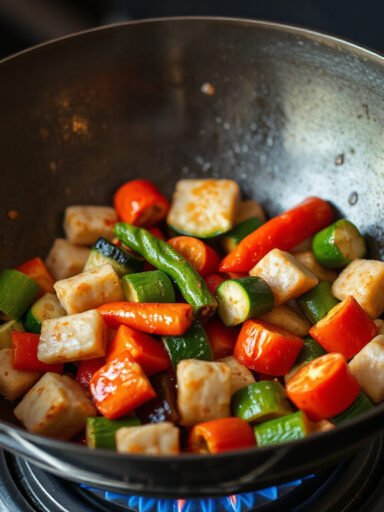
Minced fresh chilis can add an unexpected kick to savory breads, muffins, or cornbread. Additionally, incorporate them into meat or vegetarian stews, chili, fajitas, or rice bowls for layered heat and complexity.
Final Tips
- Always taste-test your fresh chilies before adding them to recipes to gauge their heat.
- Start with small quantities if you’re new to cooking with fresh chilis and adjust based on preference.
- Pair chilis with ingredients that balance their heat, such as dairy, citrus, or sweet fruits.
Fresh chili peppers provide endless opportunities to invigorate your cooking. With some knowledge and a bit of experimentation, you can unlock a whole world of exciting flavors and spice levels. Whether you’re roasting, dicing into salsa, or simmering in a stew, fresh chilis are a vibrant ingredient that deserve a spot in your kitchen repertoire. Enjoy exploring their fiery charm!