Mandy Croft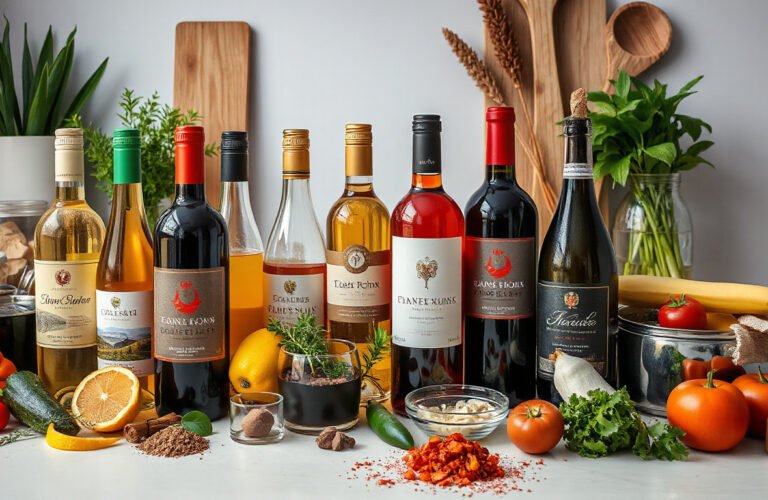
Cooking with wine is a time-honored technique that adds exceptional flavor, richness, and complexity to dishes. Beyond its image as a gourmet luxury, wine is a versatile ingredient that can heighten the sensory appeal of your meals, bringing layers of taste and aroma simply unattainable by other means. Whether you’re simmering a hearty stew or brightening a delicate seafood dish, understanding how to use cooking wine for depth empowers you to elevate everyday recipes into memorable culinary experiences.
Why Use Wine in Cooking?
Wine contributes more than just alcohol or acidity; it acts as a flavor enhancer and textural softener. Here are some key benefits:
- Flavor enhancement: Wine introduces nuanced notes that deepen and balance the taste profile of dishes. As it reduces during cooking, flavor concentrates, lending richness without excessive harshness.
- Tenderizing: The natural acidity found in wine helps break down proteins in meats, making tougher cuts wonderfully tender and juicy.
- Aromatics: Wine’s bouquet infuses dishes with fragrant complexity, improving aroma and overall appeal.
- Moisture and texture: Wine adds moisture to cooking liquids, preventing dryness especially in braises and stews.
Selecting the Right Wine: The Foundation for Depth
A crucial rule in cooking with wine is: Use the wine you would enjoy drinking. Avoid “cooking wine” sold in supermarkets as these often contain added salt and preservatives that can impart unpleasant flavors or unbalance your dish.
Choosing Wine Types for Your Dish
-
Red Wines: Opt for dry and softer reds like Merlot, Pinot Noir, or Cabernet Sauvignon. These are ideal for rich dishes involving beef, lamb, game, and tomato-based sauces. Their tannins and fruit-forward notes provide warmth and depth.
-
White Wines: Crisp, dry whites such as Sauvignon Blanc, Pinot Grigio, or unoaked Chardonnay brighten seafood, poultry, and cream-based dishes. They lend acidity that cuts through richness without overpowering subtle flavors.
-
Fortified Wines: Marsala, Sherry, and Port add a unique, deeper sweetness and complexity. Marsala shines in classic recipes like Chicken Marsala, while Port can enrich desserts and reduced glazes.
Techniques to Unlock Depth with Cooking Wine

-
Deglazing
After sautéing or searing, add wine to the hot pan to loosen the flavorful browned bits (fond). This creates a rich base for sauces, adding layers of complexity with minimal effort.
-
Braising and Stewing
Use wine as the main cooking liquid or in combination with broth for slow cooking tougher cuts of meat. The long simmer allows wine flavors to meld and the acidity to tenderize, enhancing texture and depth.
-
Marinating
Incorporate wine in marinades to impart subtle flavor and to help tenderize proteins. Combining wine with herbs, spices, and oils creates a flavorful infusion before cooking.
-
Reducing
Simmer wine to reduce volume, intensifying its flavors and diminishing alcohol content. Reduced wine makes a luxurious addition to sauces and glazes, providing a viscous texture and concentrated taste.
-
Poaching and Steaming
Use wine as part of the poaching or steaming liquid to gently infuse delicate foods like fish, shellfish, or fruits, imparting subtle aromatic depth.
-
Finishing Touch
Adding a splash of wine toward the end of cooking can introduce brightness and a fresh note, particularly in soups, risottos, and sauces.
Kitchen Tips for Best Results
-
Cook off the alcohol: Allow wines to simmer for at least 10-15 minutes to reduce harsh alcohol flavors while concentrating savory notes. Shorter exposure (like quick deglazing) retains more alcohol and may taste sharper.
-
Balance acidity: Since wine adds acidity, balance it with ingredients like butter, cream, or sugar if the dish turns too tart.
-
Match wine style to dish: Light wines pair well with delicate dishes; richer wines complement bold, hearty meals.
-
Avoid reactive cookware: Use stainless steel or enameled cast iron as reactive metals can impart metallic flavors when cooking with acidic wine.
-
Consider pairing with your meal’s wine: Cooking with the same wine you serve creates flavor harmony and simplifies ingredient choice.
Classic Recipes Showcasing Depth From Wine
- Chicken Marsala: Tender chicken breasts cooked with mushrooms in a sweet-savory Marsala sauce.
- Red Wine Braised Beef: Slow-braised beef infused with red wine, herbs, and broth, resulting in melt-in-your-mouth texture.
- Mussels in White Wine: Mussels steamed with garlic, herbs, and crisp white wine create a refined broth perfect for dipping bread.
- Pasta with White Wine Sauce: Garlic and shallots sautéed with white wine, tossed with fresh herbs and Parmesan for a quick, flavor-packed dish.
- Chocolate Wine Cake: Red wine used in reductions to glaze chocolate cakes, enhancing moistness and complexity.
Final Thoughts
Cooking with wine unlocks a dimension of flavor and texture that elevates your culinary creations. Selecting quality drinkable wines, applying the right techniques, and balancing components mindfully are key to achieving layered, nuanced dishes bursting with depth. As you experiment with wines in your kitchen—whether it’s a simple pan sauce or a rich braise—you’ll discover the effortless magic that wine brings to cooking. Cheers to flavorful journeys and unforgettable meals!