Mandy Croft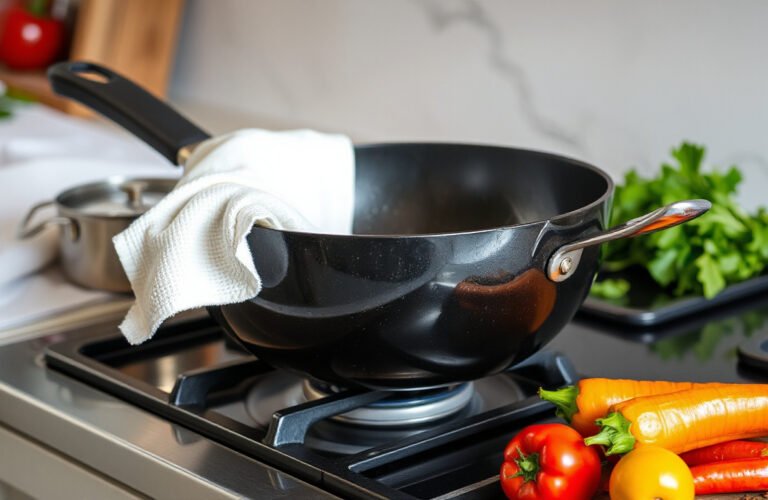
Wok cooking is celebrated for its versatility, speed, and ability to bring out the authentic flavors of Asian cuisine. However, alongside mastering stir-fry techniques and heat control, proper maintenance of your wok and its handle plays a crucial role in ensuring a safe and enjoyable cooking experience. One often overlooked yet essential practice is the use of a clean cloth for handling your wok’s handle. This article delves into why a clean cloth is indispensable when dealing with your wok handle and offers best practices to enhance safety and longevity.
Understanding the Importance of Your Wok Handle
Woks, especially those made of carbon steel or cast iron, can become very hot during cooking. While some woks are designed with heat-resistant handles, many have metal handles that conduct heat quickly. Touching a hot wok handle without protection can easily result in burns. This necessity makes handling the wok with care an important culinary habit.
Why Use a Clean Cloth for Your Wok Handle?
1. Heat Protection
A clean cloth serves as an insulating barrier between your hand and the hot metal of the wok handle. This protection allows you to move or adjust the wok without risking burns or discomfort caused by the high temperatures generated during cooking.
2. Safety and Grip
Using a clean cloth enhances your grip on the wok handle. Rather than handling it with bare, sweaty hands which can slip, a clean cloth provides a dry, friction-friendly surface. This lowers the risk of accidents such as dropping the wok or causing spills of hot oil or food.
3. Cleanliness and Hygiene
A clean cloth ensures that you are not transferring any grime, grease, or burnt remnants from previous cooking sessions onto your hand or the handle. Dirty cloths can harbor bacteria and unpleasant odors, which may compromise your kitchen hygiene.
4. Avoiding Damage to the Handle
Some users have shared experiences where using cloths that are not heat-resistant or are already soiled can result in the cloth burning and fusing to the handle, leaving behind a sticky or plastic-like residue that’s difficult to clean. Using a fresh, clean cloth avoids this risk and keeps your handle clean and functional.

Best Practices for Using a Cloth with Your Wok Handle
- Select Heat-Resistant Fabrics: Use cloths made of cotton or linen, which are better suited for heat resistance. Avoid synthetic materials that can melt or burn.
- Always Use a Dry Cloth: Wet cloths can conduct heat and potentially cause steam burns.
- Replace Cloths Regularly: Do not reuse greasy or burned-in cloths. Keep a supply of clean cloths nearby when cooking.
- Use Handle Covers or Mitts as an Alternative: If possible, invest in silicone or fabric handle covers designed to withstand heat safely.
- Avoid Plastic Materials Near Heat: Plastic gloves or towels can melt when exposed to the wok’s heat.
Additional Wok Handle Safety Tips
- Preheat with Care: When heating your wok, avoid grabbing or moving it prematurely.
- Keep Handles Away from Open Flames: Position your wok so that its handle does not face direct flames.
- Use Stove Tools: For high-heat cooking, consider stove tools such as tongs or handle grippers for moving or lifting the wok.
Cleaning Your Wok Handle Properly
Beyond safe handling, maintaining the cleanliness of your wok handle is essential for hygiene and durability. After use, allow the wok and its handle to cool, then wipe the handle with a clean, damp cloth to remove grease or food residue. Avoid harsh chemical cleaners or abrasive scrubbers that might damage the finish.
In Summary: A clean cloth is an indispensable tool when handling your wok. It protects your hands from burns, improves grip, maintains kitchen hygiene, and preserves the quality of your wok handle. Mastering this small yet significant step not only enhances your cooking experience but also contributes to a safer kitchen environment. Remember to select suitable cloths and follow proper wok maintenance techniques to enjoy the full benefits of your wok cookware for years to come.