Mandy Croft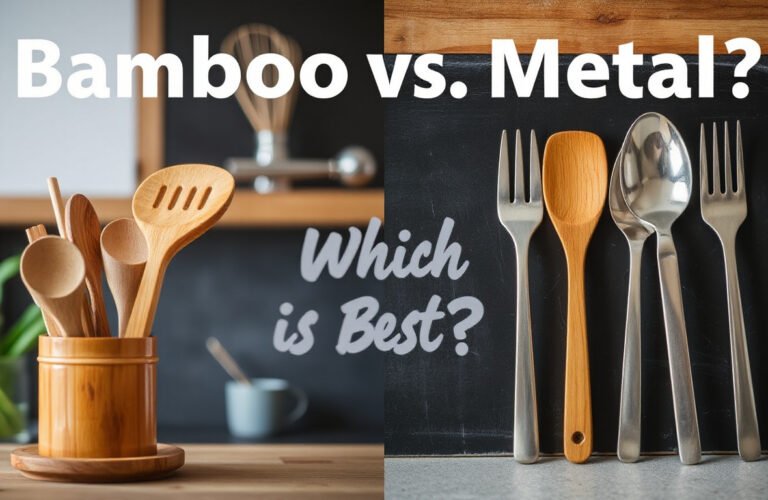
Choosing the right utensils for your kitchen often revolves around a key question: should you use bamboo or metal utensils? This choice involves balancing sustainability, durability, ease of use, and maintenance. Both bamboo and metal utensils have their unique benefits and drawbacks. This guide synthesizes insights from multiple sources to help you decide which utensil material best suits your needs and lifestyle.
The Appeal of Bamboo Utensils
Sustainability and Environmental Impact
Bamboo is a rapidly renewable resource that grows quickly and requires minimal pesticides or fertilizers, making it an eco-friendly choice. Bamboo utensils are biodegradable, meaning that at the end of their usable life, they break down naturally and reduce landfill waste compared to plastics or metals. However, it’s important to note that overharvesting could cause habitat destruction if the demand for bamboo shoots unsustainable—so sourcing responsibly is key.
Lightweight and Gentle on Cookware
Bamboo utensils are notably lighter than metal ones, which can make them easier to handle, especially for people with wrist issues such as arthritis. Their softer texture ensures they do not scratch or damage non-stick cookware or delicate surfaces.
Natural Aesthetic and Safety
Bamboo utensils tend to have a beautiful, natural finish that requires no harmful chemicals or lacquers, providing a non-toxic option in the kitchen. Additionally, bamboo is naturally antimicrobial, which contributes to safe food handling.
Drawbacks to Consider
- Durability: Bamboo utensils wear out faster; they can crack, warp, or break over time, especially with frequent use or exposure to heat.
- Heat Sensitivity: Bamboo is less heat-resistant and can splinter or catch fire if left in contact with very hot surfaces.
- Absorption of Odors: Bamboo can absorb strong food odors like onion and garlic, which may linger and affect subsequent uses.
- Maintenance: Bamboo utensils typically require gentle hand washing and should not be left soaking or dishwasher washed to extend their lifespan.
Advantages of Metal Utensils
Longevity and Strength
Metal utensils, especially those made from stainless steel, are extremely durable and can last for decades if cared for properly. They resist bending, breaking, or chipping, making them suitable for daily rigorous use.
Hygiene and Heat Resistance
Metal is non-porous and can be sanitized thoroughly, reducing the risk of bacterial growth. It can withstand high cooking temperatures without damage or deformation, making metal utensils very versatile for various cooking styles.
Varied Designs and Functionality
Metal utensils come in countless designs, from everyday simple spoons to elegant, decorative cutlery sets used during formal dining. This versatility is unmatched by bamboo.
Points of Caution
- Potential Food Reaction: Some metal utensils may react with acidic foods (like tomatoes or lemons), potentially altering taste or causing corrosion, though high-quality stainless steel mitigates this risk.
- Cookware Scratches: Metal utensils can scratch non-stick or delicate cookware surfaces if used aggressively.
- Environmental Impact: The production of metal utensils is resource and energy-intensive, involving mining and manufacturing processes that can have a higher carbon footprint. However, metal cutlery is recyclable, which can offset some environmental concerns.
- Rust and Safety: If improperly maintained, metal utensils may rust, which can be hazardous. Regular care is necessary to prevent rust and sharp edges.

Bamboo vs. Metal: What to Consider
| Factor | Bamboo Utensils | Metal Utensils |
|---|---|---|
| Sustainability | Renewable, biodegradable, lower production impact when sourced responsibly | High energy footprint but recyclable and long-lasting |
| Durability | Moderate; prone to cracking, warping | Excellent; resistant to wear, heat, and breakage |
| Maintenance | Hand wash only, avoid soaking and dishwasher | Dishwasher safe, easy to clean |
| Heat Resistance | Lower; can warp or catch fire | High; withstands high cooking temperatures |
| Cookware Safety | Gentle on non-stick and delicate surfaces | Can scratch cookware if not careful |
| Hygiene | Naturally antimicrobial but porous | Non-porous and easy to sanitize |
| Aesthetic | Rustic, natural, warm look | Shiny, sleek, ranges from plain to ornate |
| Cost | Generally inexpensive upfront, shorter lifespan | Higher upfront cost but lasts longer |
Final Thoughts
Your choice between bamboo and metal utensils boils down to your priorities:
-
If environmental sustainability and gentle handling of cookware are your top concerns, bamboo utensils offer an appealing, eco-friendly, and lightweight option. Just be mindful of their care and limitations around heat.
-
If you value durability, hygiene, and versatility, especially for daily heavy-duty cooking, metal utensils are the practical choice. They last longer, handle heat better, and come in a broad array of styles, though with a somewhat larger environmental footprint at manufacture.
Many households find a blended approach works well—for example, using bamboo utensils with non-stick pans and metal utensils for grilling or high-heat cooking.
Ultimately, selecting bamboo or metal utensils involves balancing the environmental impact, practicality, durability, and aesthetics to best fit your kitchen habits and values.
FAQs
Is bamboo cutlery better than metal?
Bamboo cutlery is more sustainable and biodegradable but less durable than metal. Metal cutlery is more durable and versatile but has a higher production environmental impact.
Can bamboo utensils be washed in a dishwasher?
No, it is best to hand wash bamboo utensils to prevent warping and cracking.
Are metal utensils recyclable?
Yes, most metal utensils, especially stainless steel, can be recycled depending on local facilities.
Do bamboo utensils absorb smells or flavors?
Yes, bamboo utensils can absorb strong food odors, which may linger with repeated use.
Choosing the right utensils is a personal decision shaped by your ecological values, cooking style, and kitchenware preferences. Whichever you choose, mindful care will ensure your utensils serve you well for years to come.