Mandy Croft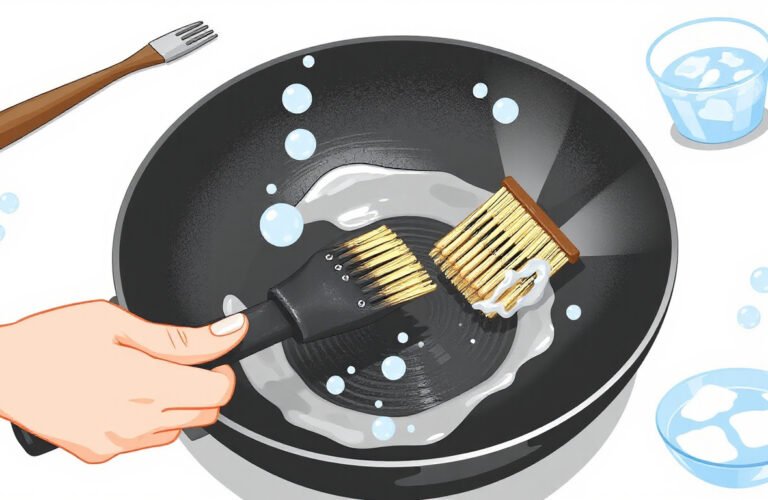
Woks are culinary essentials in many kitchens, prized for their versatility and ability to cook food quickly at high heat. Proper care and cleaning are paramount to preserving a wok’s seasoning, longevity, and ensuring optimal cooking performance. One of the best tools for maintaining your wok is a dedicated wok brush. In this article, we’ll explore how to effectively use a wok brush to clean your wok and how to care for the brush itself, ensuring a hassle-free and efficient cleaning routine.
Why Use a Wok Brush?
Unlike generic scrubbers or synthetic sponges, a wok brush—traditionally made from bamboo bristles—is specifically designed to clean the unique curved surfaces of a wok without damaging the seasoning. These brushes are excellent for scrubbing off food residues and oils while maintaining the wok’s natural non-stick patina.
Using a bamboo wok brush also supports eco-friendly practices, offering a biodegradable alternative to plastic scrubbers that can wear down easily or contribute to plastic waste.
Step-by-Step Guide: Cleaning Your Wok with a Wok Brush

1. Rinse and Soak
After cooking, allow your wok to cool slightly but clean it while it’s still warm. Start by rinsing the wok under hot water to help loosen stuck-on food particles. Some cooks add a few drops of mild dishwashing liquid at this stage—though this is optional and occasionally debated among traditionalists.
2. Scrub with the Wok Brush
Using your bamboo wok brush, gently scrub the bottom and curved sides of the wok. Focus on areas where food has splattered or stuck. The natural bristles reach into crevices and creases without stripping the seasoning.
3. Rinse Thoroughly
Drain the soapy water and rinse the wok with fresh hot water to ensure no soap residue remains. Some cooks even perform a double rinse to be certain all detergent is removed, keeping the seasoning intact.
4. Dry and Oil
After rinsing, dry the wok thoroughly with a clean cloth or paper towel. To protect the wok from rust, especially carbon steel varieties, lightly rub a thin layer of cooking oil over the surface. If you use your wok daily, this step can sometimes be skipped, as frequent cooking naturally preserves the seasoning.
Maintaining Your Bamboo Wok Brush
While wok brushes are excellent cleaning tools, they require proper maintenance to avoid issues like oil buildup or mildew:
- Avoid prolonged soaking: Bamboo brushes can absorb water and oils, which may lead to mold growth if left wet for extended periods.
- Rinse well after each use: Make sure to rinse out food remnants thoroughly immediately after cleaning your wok.
- Dry upright: Store the brush bristles facing downward or hang it to air dry, ensuring proper ventilation.
- Periodic deep cleaning: Soaking the brush briefly in boiling water can help remove stubborn oils or residues without damaging the bamboo. Avoid harsh chemicals or bleach, which may degrade the brush.
- Replace when worn: Bamboo wok brushes are durable but not indestructible. Replace your brush if bristles become damaged or develop an odor.
Addressing Common Myths: Should You Use Soap on Your Wok?
Some traditional cooks caution against using soap, fearing it strips the wok’s seasoning. However, many professional kitchens regularly use mild dish soap without harm. The key is thorough rinsing and proper seasoning afterward. Using the wok brush effectively with warm water and soap helps maintain cleanliness, ensures food safety, and keeps your wok ready for the next meal.
Final Thoughts
Incorporating a bamboo wok brush into your wok cleaning routine makes the process simpler, more effective, and gentler on your pan. This small investment enhances your cooking experience by preserving your wok’s seasoning and longevity. Remember to care for both your wok and your brush properly, and you will enjoy delicious stir-fries and sautés for years to come.
Embrace the art of wok maintenance with confidence and enjoy effortless cleaning every time!