Mandy Croft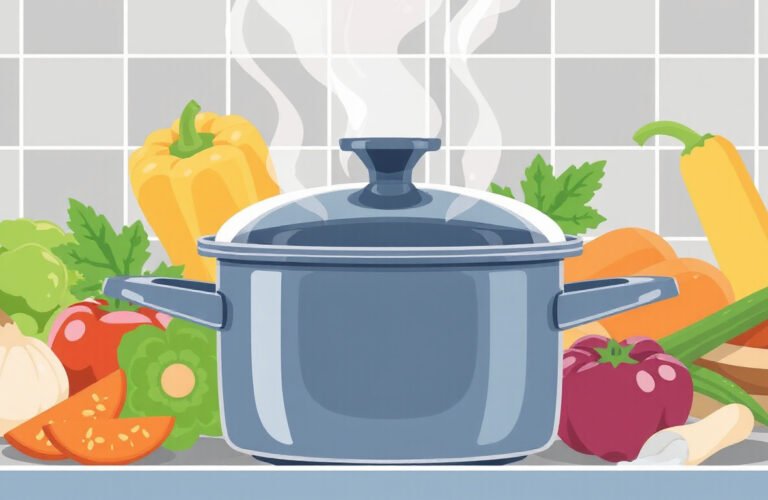
Steaming is a gentle cooking method favored for preserving nutrients, color, and texture in food. Whether you’re steaming vegetables, seafood, or dumplings, one simple yet crucial element can make all the difference in the outcome: using a lid. Let’s explore why keeping a lid on your steaming pot matters and how it influences the cooking process.
The Science Behind Steaming with a Lid
Steaming cooks food by surrounding it with hot vapor from boiling water. When you cover a pot with a lid, heat and moisture are trapped inside, creating a concentrated steam environment that cooks the food evenly and efficiently.
Without a lid, steam escapes freely into the air, lowering the temperature and moisture level inside the pot. This diffusion results in longer cooking times and may lead to undercooked or unevenly cooked food.

Key Benefits of Using a Lid for Steaming
- Traps Heat and Moisture: The lid seals the pot, preventing heat and steam from escaping. This steady steam bath ensures consistent cooking temperatures, which gently cook the food without drying it out.
- Speeds Up Cooking Time: By retaining steam, the pot reaches and maintains higher temperatures faster, reducing your cooking duration.
- Preserves Nutrients and Flavor: Less steam loss means nutrients and flavors stay confined within the pot, resulting in tastier and more nutritious dishes.
- Prevents Water Loss: Retaining moisture inside the pot keeps the water level steady during steaming, so you don’t have to frequently add water.
Practical Considerations When Using a Lid
Should the Lid Be Vented?
A common question is whether the lid for steaming should have a vent hole. For typical steaming on a stovetop, a well-fitting lid without vents is ideal. It keeps steam trapped and maintains consistent heat. If no vent is present, excess steam pressure may cause the lid to rattle or "dance," as observed by some cooks, but this does not negatively impact most steaming outcomes.
Vented lids or small steam release holes are more common in pressure cookers or specialized steamers where managing extreme steam pressure is critical. For typical steaming tasks, a sealed lid is best.
What If You Don’t Use a Lid?
Skipping the lid when steaming leads to inefficient heat retention. Your food may steam incompletely or unevenly, which especially affects quick-cooking items like broccoli or seafood. Although steaming without a lid is possible, it wastes energy and risks watery, soggy, or undercooked results.
Multi-Tasking in the Kitchen: Steaming and Boiling Together
Some ask if steaming vegetables using a basket above boiling pasta requires lid removal to prevent boil-overs or overcooking. While careful temperature control is needed to prevent boil-overs, keeping the lid on is still recommended to ensure vegetables steam properly. Adjusting the heat can control boiling vigor. A lid simultaneously traps steam around the veggies, cooking them faster and more evenly.
When to Keep Your Lid On or Off in Cooking
Effective steaming depends on trapped steam, so the lid stays on. However, other cooking methods have different requirements:
- Keep the lid on for: simmering, boiling, braising, and steaming — all need trapped heat and moisture.
- Use the lid off for: thickening sauces, searing, and frying — moisture escapes, preventing unwanted dilution or unsafe splattering.
For steaming specifically, leaving the lid on is essential to trap the evaporating water vapor and cook food through gentle, moist heat.
Summary: Why Using a Lid is Essential for Steaming
- The lid traps heat and moisture, creating a consistent steam environment.
- It speeds up cooking and improves texture, flavor, and nutrient retention.
- Avoiding lid removal prevents inefficient steaming and uneven cooking.
- Lids without vents work well for stovetop steaming; vented lids are mainly for pressure cookers.
- Managing heat prevents boil-overs when steaming multiple foods simultaneously.
Using a lid when steaming is a simple practice that unlocks perfectly tender, flavorful, and healthy dishes every time. Next time you reach for your steamer basket, remember: keep the lid on and let the steam work its magic!