Mandy Croft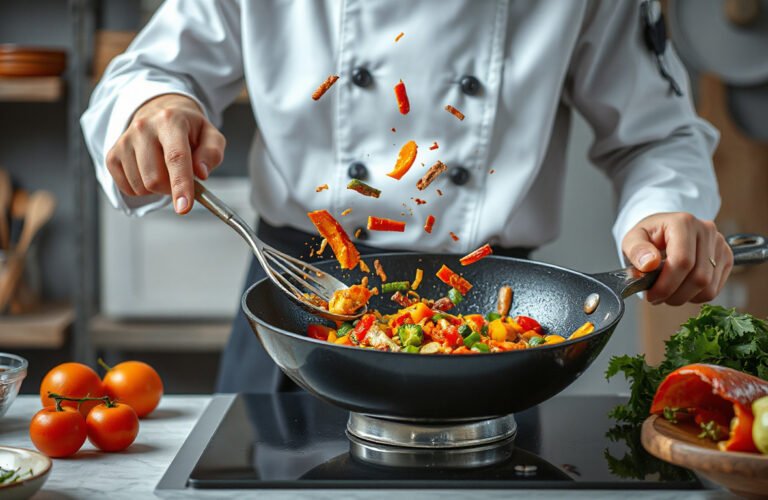
When it comes to cooking, the way you handle food in the pan can make all the difference between a dish that’s simply good and one that bursts with flavor and texture. One culinary technique gaining recognition is tossing food rather than stirring aggressively. Tossing, especially in skillets and woks, is not just a flashy move—it’s a method that influences flavor development, texture, and even the speed of cooking. Let’s explore why tossing food is often a better choice than stirring aggressively and how mastering this art can elevate your cooking.
Why Toss Food Instead of Stirring Aggressively?
1. Efficient Mixing with Less Damage
Aggressive stirring can sometimes bruise delicate ingredients, break apart tender morsels, or cause uneven cooking by pushing food against the pan too hard or too long. Tossing uses a gentle upward and back motion that lifts and turns food in the pan without mashing or scraping.
This technique ensures even distribution of heat and ingredients without the risk of tearing or overworking the components. With just a few tosses, tossing achieves what might take many more stirs but with less risk of damaging texture.
2. Enhancing Flavor Through Contact and Heat
When you toss food in a hot pan—especially a wok—you momentarily lift and drop food, increasing its exposure to the cooking surface. This motion allows ingredients to quickly "kiss" the hot metal, an essential aspect of techniques like stir-frying that create the much-coveted wok hei, a smoky, seared flavor resulting from vaporized oils and rapid caramelization.
Aggressive stirring, on the other hand, often keeps food moving too slowly or pressed along the surface in one area, potentially steaming or sogging ingredients rather than searing them.
3. Preserving Food Integrity and Presentation
Certain foods do not respond well to constant scraping or forceful stirring. Pancakes, omelets, or delicate sauces often require gentle handling to maintain their form and a clean presentation. Tossing is best suited to small, loose ingredients like chopped vegetables, noodles, or grains, where quick, rhythmic movement can combine components without breaking them.
4. Speed and Style Combined
Tossing is faster than stirring vigorously because each toss moves the whole batch of food, mixing and repositioning more efficiently. Plus, tossing adds a dash of flair to your cooking—a confidence and enjoyment that elevates the kitchen experience, making it feel like a performance instead of a chore.
How to Toss Food Like a Pro

To master tossing, it’s important to use the right cookware and technique:
-
Choose the Right Pan: Pan tossing works best with skillets and woks that have curved, sloping sides. Flat pans or pans with straight sides make it difficult to toss without spilling.
-
Free the Food First: Before tossing, ensure your food is loose and not stuck to the pan by giving it a quick stir with a spatula or tongs.
-
The Tossing Motion: Similar to the motion of a ski jumper descending a ramp, your food needs a controlled thrust: a firm forward-and-up scoop that lifts the ingredients into the air, followed by a slight backward pull of the pan to catch the food safely back inside. The motion is rhythmic, almost like a dance, allowing you to toss repeatedly without spills.
-
Start Small and Practice: Tossing can be a bit intimidating at first, and there’s a risk of food flying onto the floor. Practice with dry ingredients like rice or beans to get the movement right before attempting with hot, cooked food.
Tossing in Wok Cooking: A Must for Authentic Stir-Fries
In traditional wok cooking, tossing is essential for combining flavors and achieving that signature wok hei smoky aroma. The rapid, continuous agitation allows heat to distribute quickly, vegetables to remain crisp, and sauces to emulsify perfectly.
Moreover, tossing when stir-frying or frying rice evenly cooks protein, vegetables, and carbohydrates, while preventing scorching or clumping.
When Not to Toss: Delicate Dishes Require Care
Despite its advantages, tossing isn’t always the best method. Large, delicate foods like whole pancakes, omelets, or frittatas are prone to breakage or falling apart if flipped midair. For such dishes, traditional turning with a spatula or specialized methods (rolling omelets in the pan instead of flipping) remain superior.
Conclusion
Tossing food in a pan or wok is more than a stylish kitchen trick—it’s a practical, efficient way to mix food, enhance flavor, and preserve texture without the downsides of aggressive stirring. Embracing the art of tossing can transform your cooking, adding speed, even cooking, and a smoky, caramelized character to your dishes that stirring rarely achieves. With some practice and the right pan, tossing can become your secret weapon for creating restaurant-quality stir-fries, sautés, and mixed dishes right at home. So next time you cook, toss with confidence and elevate your flavors and textures like a pro.