Mandy Croft
Thai curry stir-fry is a vibrant and flavorful dish that combines the rich, aromatic qualities of traditional Thai curry with the quick, satisfying technique of stir-frying. Whether you’re craving a hearty chicken dish with a spicy kick or a wholesome vegetable curry, Thai curry stir-fry offers a versatile canvas for a quick and delicious meal. This article will guide you through the essence of Thai curry stir-fry, share key ingredients, and provide tips to master this delightful dish in no time.
What Makes Thai Curry Stir-Fry Special?
Unlike the more common Thai curry soups and stews, a Thai curry stir-fry focuses on infusing bold curry flavors into a drier, more concentrated sauce, coating tender pieces of protein and crisp vegetables. Using Thai curry pastes—especially red curry paste—as a base, the stir-fry delivers a balanced punch of heat, sweetness, and savory complexity.
Two popular styles of Thai curry stir-fry include:
-
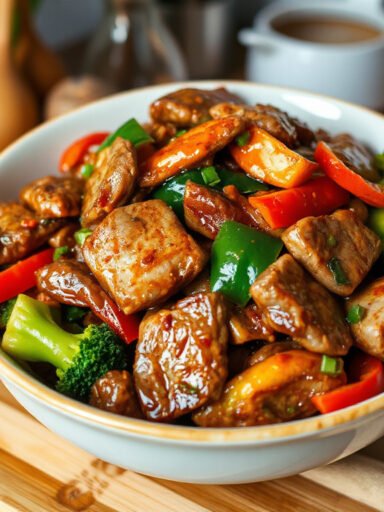
Chicken Red Curry Stir-Fry with Green Beans: Featuring green beans for crunch and thinly sliced chicken breast, this dish quickly melds fragrant curry paste with fish sauce and oyster sauce to create a savory, slightly spicy coating.
-
Pad Prik King (Dry Red Curry Stir-Fry): A “dry curry” style stir-fry that incorporates makrut lime leaves, long beans, and often a salted duck egg for a luscious contrast. It’s more about coating ingredients with curry paste than a soupy curry.
Essential Ingredients for Thai Curry Stir-Fry

Here’s a rundown of the most important ingredients typically used:
1. Thai Red Curry Paste
- The heart of the dish, Thai red curry paste is a blend of dried red chili, garlic, lemongrass, shallots, galangal, and shrimp paste.
- Store-bought options like Maeploy, Aroy-D, or Namjai are favored for their authentic flavor, although some brands vary in spiciness and saltiness.
2. Protein
- Chicken breast or thighs are common; thinly sliced chicken cooks quickly and evenly.
- Alternatives include pork, beef, shrimp, squid, tofu, or TVP for vegan versions.
3. Vegetables
- Crunchy veggies like green beans, long beans, bell peppers, carrots, and kale work well.
- Feel free to substitute with what’s on hand: bamboo shoots, eggplant, mushrooms, or zucchini.
4. Aromatic Additions
- Fresh makrut lime (kaffir lime) leaves add intoxicating citrus notes.
- Thai basil can be stirred in at the end for a burst of herbal aroma.
5. Sauces and Seasonings
- Fish sauce lends salty umami.
- Oyster sauce intensifies savory depth.
- Palm sugar balances sweetness.
- Coconut milk may be added in vegetable Thai curry stir-fries to create a creamier texture.
Step-by-Step Guide to Making Thai Curry Stir-Fry
Here is a streamlined cooking process based on popular recipes to help you prepare this dish efficiently:
1. Marinate the Protein
- Toss chicken or your choice of protein with fish sauce. Let it sit briefly for extra flavor.
2. Prepare the Vegetables
- Trim and cut vegetables into bite-sized pieces ensuring uniform cooking.
3. Heat the Pan
- Use a wok or a large skillet and heat neutral oil over medium-high heat until shimmering.
4. Cook Curry Paste
- Add curry paste to hot oil and stir-fry off heat or low heat initially to release aroma—about 30 seconds to 2 minutes.
5. Add Vegetables
- Toss in harder vegetables like green beans or carrots first, stir-fry until slightly tender but still crisp.
6. Add Protein
- Add the marinated protein, stir-fry until just cooked through.
7. Season and Adjust
- Stir in fish sauce, oyster sauce, and palm sugar to balance salty and sweet flavors.
- Add torn makrut lime leaves, and optional coconut milk or a splash of water/chicken stock to loosen the sauce.
8. Finish and Garnish
- Just before removing from heat, add fresh Thai basil or finely sliced lime leaves.
- Serve hot with fragrant jasmine or brown rice.
Tips for a Perfect Thai Curry Stir-Fry
- Control your heat: Adjust the amount of red curry paste based on your spice tolerance—start small and add more as needed.
- Don’t overcook vegetables: Keep them crisp-tender for texture contrast.
- Use fresh herbs if possible: Thai basil and makrut lime leaves significantly elevate authenticity.
- Leftover magic: Stir-fried curry dishes reheat well and can be transformed into a flavorful fried rice by adding cold rice to the pan.
- Curry paste freshness matters: Homemade curry paste offers the best depth, but high-quality store-bought pastes deliver convenience without sacrificing flavor.
A Vegetarian and Vegan-Friendly Version
For plant-based eaters, substitute meat with tofu (baked first to retain texture), TVP, or hearty vegetables like eggplant and sweet potatoes. Use tamari or soy sauce for seasoning, and ensure curry paste is vegetarian-friendly (many store-bought ones contain shrimp paste).
Enjoying Your Thai Curry Stir-Fry
Serve your stir-fry alongside steamed jasmine rice or brown rice to soak up the flavorful sauce. For an added textural contrast and aroma, garnish with fresh cilantro, Thai basil, or a squeeze of fresh lime juice. If you like extra spice, a spoonful of chili garlic sauce or sriracha on the side complements this dish beautifully.
In Summary
Thai curry stir-fry is an inviting blend of aromatic curry flavors and quick, high-heat cooking techniques. With minimal ingredients and adaptable components, it’s a perfect dish for busy weeknights or for those new to Thai cuisine. Whether you opt for a simple chicken red curry stir-fry or the aromatic pad prik king with makrut lime leaves, you’ll enjoy a dish that celebrates the vibrant tastes of Thailand with every bite.
Try these recipes today and embark on a flavorful journey to discover the wonders of Thai curry stir-fry!