Mandy Croft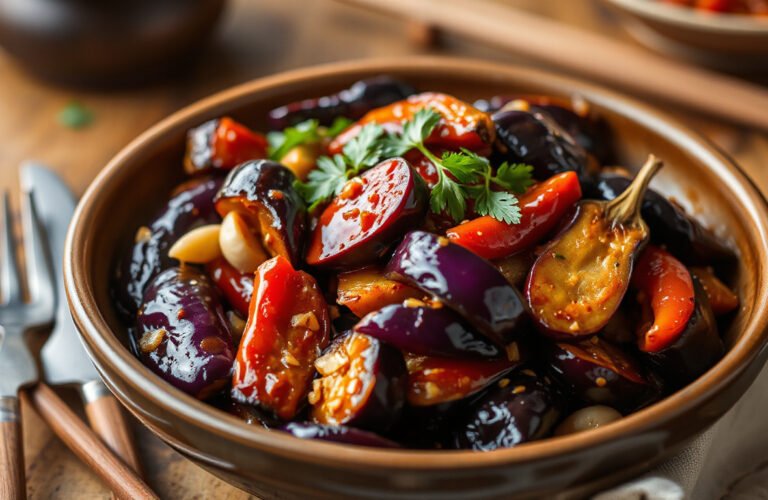
Szechuan eggplant is a vibrant, flavorful dish that showcases the rich and bold culinary traditions of China’s Sichuan province. Known for its spicy, tangy, and aromatic qualities, this eggplant preparation combines tender, sumptuous vegetable with a uniquely spicy sauce, offering a delightful experience that even eggplant skeptics can appreciate.

What is Szechuan Cuisine?
Originating from the Sichuan province in southwest China, Szechuan cuisine is celebrated for its bold flavors, particularly its use of garlic, chili peppers, and the distinctive Sichuan peppercorn. Unlike black pepper, Sichuan peppercorn introduces a numbing, tingling sensation that complements the heat from chili peppers, creating a complex and exciting flavor profile. These characteristics define the vibrant and often fiery dishes associated with this region.
The Essence of Szechuan Eggplant
Szechuan eggplant typically features eggplant cooked until tender and soaking in a rich, spicy, and aromatic sauce. This dish is often served as a side to staples such as fried rice or noodles but proudly stands out as a main vegetarian highlight in many meals.
Two popular versions commonly discussed are:
-
Szechuan Eggplant in Szechuan Sauce — This version involves frying the eggplant and coating it with a spicy, garlicky sauce often made with soy sauce, chili paste or chili sauce (like Sriracha), vinegar, sugar, and garlic. The eggplant pieces become sticky and richly flavored, accompanied by fragrant elements like shallots, coriander, and sometimes sesame oil.
-
Yu Xiang Eggplant (鱼香茄子, Fish-Fragrant Eggplant) — A classic Sichuan stir-fry, this dish features eggplant cooked with a signature "fish-fragrant" sauce that is sweet, sour, savory, and spicy. Despite its name, it contains no fish. The sauce is a harmonious blend of soy sauce, Chinese black vinegar (Chinkiang vinegar), sugar, fermented spicy bean paste (doubanjiang), garlic, ginger, and chili peppers. This combination creates a sauce bursting with umami and depth.
Key Ingredients for Authentic Szechuan Eggplant
- Eggplant: Asian or Chinese eggplants are preferred due to their tender texture and subtle flavor. They are longer, thinner, and less seedy than Western varieties. However, larger, globe eggplants suitable for your region can also work, particularly when soaked in salted water to reduce moisture and bitterness.
- Chili Sauce: Red chili sauce like Sriracha or homemade chili paste forms the base of the spicy heat.
- Soy Sauce: Provides savory umami notes.
- Vinegar: White vinegar or the richer Chinkiang black vinegar adds the needed tanginess balancing the heat.
- Sugar: Balances the acidity and heat, typically brown sugar or jaggery is used.
- Garlic & Ginger: Essential aromatics responsible for pungency and depth.
- Sichuan Peppercorns: Optional but highly recommended for that distinctive numbing sensation.
- Cornstarch: Used to thicken the sauce and sometimes dust the eggplant for crispiness.
- Sesame Oil: Adds fragrance and richness to the dish.
- Shallots or Onions: Adds sweetness and texture.
How to Make Szechuan Eggplant
Method Overview
- Prepare the Eggplant: Cut into wedges or cubes. For the best texture, soak them briefly in salted water to remove excess moisture and bitterness.
- Cook the Eggplant: Fry or pan-fry the eggplant in batches until soft and browned or sticky, depending on preference. Coating the pieces in flour or cornstarch before frying can yield a crisp exterior.
- Prepare the Sauce: Combine chili sauce, soy sauce, vinegar, sugar, garlic, and cornstarch dissolved in water to create the rich, sticky sauce base.
- Sauté Aromatics: Cook shallots or onions with garlic and chili sauce until fragrant.
- Combine and Finish: Add the sauce to the aromatics and let it bubble. Then return the eggplant to the pan, tossing to coat evenly. Simmer until the sauce thickens and clings to the eggplant pieces.
- Garnish and Serve: Top with fresh coriander or spring onions and serve hot, traditionally alongside fried rice or noodles.
Tips for Perfect Szechuan Eggplant
- Adjust Heat to Your Taste: The dish can be customized to be mild or fiery, depending on your chili and Sichuan peppercorn quantities.
- Use Fresh Sichuan Peppercorns Sparingly: Their unique numbing effect is potent; start with a small amount.
- Preserve Color: Cooking eggplant until just tender helps retain the appealing purple hue. Flash frying in lots of oil is an authentic restaurant method but can be replaced by pan-frying at home.
- Alternative Garnishes: If you lack coriander, toasted sesame seeds or green onions make excellent substitutes.
- Enhance Garlic Flavor: For authentic boldness, ramp up garlic quantities as you prefer.
Serving Suggestions
Szechuan eggplant offers a perfect balance of spicy, sour, and savory making it an excellent partner to neutral-flavored dishes. Serve it with:
- Steamed white or jasmine rice
- Vegetable fried rice or egg noodles
- Other Szechuan dishes like Mapo Tofu, Dan Dan Noodles, or Dry Fried Green Beans for a complete meal
Final Thoughts
Whether you explore the quick and easy pan-fried style laden with a tangy Szechuan sauce, or dive into the more intricate Yu Xiang (fish-fragrant) style rich with fermented bean paste and aromatic spices, Szechuan eggplant is a wonderful gateway into authentic Chinese flavors. Its bold, layered taste and satisfying texture have won hearts worldwide, transcending culinary boundaries and offering a spicy adventure worth savoring.
Embrace the vibrant flavors of Szechuan eggplant in your kitchen and transform an ordinary vegetable into an extraordinary feast for the senses.