Mandy Croft
Stir-frying is an incredibly versatile cooking method that brings out the vibrant colors, fresh flavors, and crisp textures of vegetables, all while retaining their nutritional integrity. When combined with the rich, nutty flavor of peanuts, you get a delightful and wholesome dish that satisfies both the palate and the body. This article will guide you through a colorful stir-fried peanuts and vegetables recipe that’s quick, easy, and perfect for weeknight dinners or meal prep.

Why You’ll Love This Stir-Fried Peanuts and Vegetables Dish
- Speed and convenience: Stir-fries cook quickly, usually in under 15 minutes, making them ideal for busy schedules.
- Nutrient-dense: Packed with fresh vegetables, this dish offers a wholesome dose of vitamins, minerals, and fiber.
- Vegan and vegetarian-friendly: A filling plant-based option that satisfies cravings without compromising on flavor.
- Customizable: Easily tailored with different veggies, proteins, or spice levels to fit your taste and dietary needs.
- Excellent leftovers: Retains flavor and texture well, making it great for next-day meals.
Essential Ingredients for a Nutty and Flavorful Stir-Fry
The heart of this recipe lies in the combination of fresh vegetables, creamy peanut sauce, and crunchy roasted peanuts. Here are the key ingredients to prepare:
Vegetables
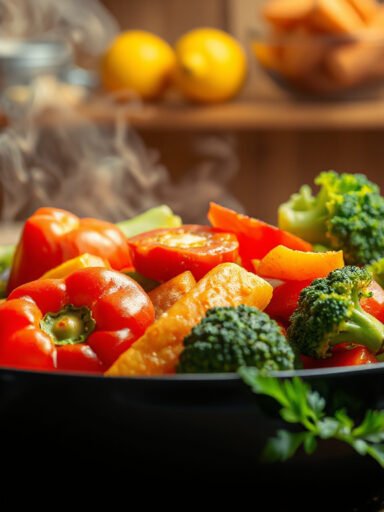
- Broccoli florets: Choose small to medium florets with tight green clusters for optimal freshness.
- Bell peppers: Colorful yellow, orange, or red peppers add sweetness and crunch; avoid green peppers if you prefer less bitterness.
- Snow peas or sugar snap peas: Provide a crisp bite and add a refreshing green note.
- Shredded red cabbage: Adds vibrant color, texture, and a subtle earthiness.
- Scallions: Use the white parts sautéed with aromatics and green parts as a fresh garnish.
Aromatics and Oils
- Garlic and fresh ginger: Both impart essential aroma and zesty flavor to complement the peanuts.
- Vegetable oil: Choose a neutral oil (non-GMO recommended) with a high smoke point; avoid olive oil for stir-frying.
- Sesame oil: Adds a toasty nuttiness to the sauce and final dish.
Peanuts and Peanut Sauce
- Roasted peanuts: Lightly toasted in the pan to enhance their flavor and crunch.
- Natural smooth peanut butter: The base for the sauce, ideally runny and free from additives like palm oil.
- Low-sodium soy sauce: Keeps the sauce savory but not overly salty.
- Hoisin sauce: Provides a sweet and tangy depth.
- Rice vinegar: Balances flavors with gentle acidity.
- Maple syrup: Offers subtle sweetness that’s lighter than brown sugar.
- Salt and black pepper: For seasoning balance.
Step-by-Step Preparation
1. Whisk the Sauce
Combine low-sodium soy sauce, natural peanut butter, hoisin sauce, rice vinegar, sesame oil, maple syrup, salt, and pepper in a small bowl. Stir until smooth.
2. Toast the Peanuts
In a dry skillet or wok over low to medium heat, toast the peanuts for 2-3 minutes until golden brown in spots. Remove and set aside.
3. Sauté Aromatics
Heat vegetable oil over high heat. Add the white parts of scallions, minced garlic, and fresh ginger. Stir for about 30 seconds until fragrant.
4. Cook the Vegetables
Add broccoli florets, diced bell peppers, snap peas, and shredded cabbage. Continuously stir-fry for 3-4 minutes until crisp-tender and vibrant in color.
5. Add Sauce and Combine
Pour the peanut sauce over the vegetables. Let it bubble and simmer briefly (about 2 minutes), stirring to evenly coat the vegetables.
6. Finish with Peanuts and Scallions
Fold in the toasted peanuts and sprinkle the green parts of scallions on top just before serving.
Serving Suggestions
Serve this dish over pre-cooked brown rice to add wholesome grains and make a complete meal. For convenience, cook the rice ahead of time and warm it when ready to eat. Pair with light sides like cucumber carrot salad or an Asian cabbage salad with almond-ginger vinaigrette to balance flavors and textures.
Tips for Best Results
- Prep all ingredients first: Stir-frying is swift, so have everything chopped and ready before beginning.
- Choose fresh vegetables: Fresh produce ensures optimal texture and flavor; if using frozen, opt for a recipe variant suited for frozen veggies.
- Use runny natural peanut butter: If your peanut butter is thick or oily, stir it well or blend for smoothness.
- Add protein if desired: For non-vegetarians, sauté chicken, shrimp, or tofu first, then add it back to the vegetables with the sauce.
- Adjust spice levels: Incorporate chili flakes or fresh chilies if you prefer heat.
- Make the dish gluten-free: Substitute soy sauce with gluten-free tamari.
Variations to Explore
- Swap broccoli for asparagus, mushrooms, or zucchini for different textures.
- Use cashew butter or almond butter in place of peanut butter for a twist on flavor.
- Add fresh herbs like cilantro or basil at the end for herbal brightness.
- Try adding a splash of lime juice for additional acidity and freshness.
Storage and Leftovers
Store leftover stir-fried peanuts and vegetables in an airtight container in the refrigerator for up to 4 days. Reheat gently in a microwave or skillet, adding a touch of oil if needed. Avoid freezing as it can compromise vegetable texture.
Bringing together the crunch of roasted peanuts, the vibrant freshness of assorted vegetables, and a luscious peanut-ginger sauce, this stir-fried peanuts and vegetables dish is an easy yet sophisticated way to enjoy a nutrient-packed meal any day of the week. Whether you’re cooking for yourself or feeding a family, you’re sure to savor every crunchy, colorful bite.