Mandy Croft
Spiced pork stir-fry is an irresistible dish that combines tender, juicy pork with vibrant vegetables, all enveloped in a flavorful, spicy sauce. This quick and versatile meal is perfect for those looking to add a touch of excitement to their dinner table without spending hours in the kitchen. Whether you prefer Korean-inspired heat or a more balanced spicy flavor profile, this guide will walk you through the essential ingredients, techniques, and tips to craft the perfect spiced pork stir-fry at home.

Why Choose Spiced Pork Stir-Fry?
Stir-frying is a wonderful cooking method for creating quick, nutritious meals while preserving the crispness of vegetables and the tenderness of meat. Pork is an excellent choice because it cooks quickly and absorbs bold flavors beautifully. The spice element elevates the dish, stimulating the senses and making each bite memorable.
Key Components of Spiced Pork Stir-Fry
1. The Pork
Choosing the right cut is crucial. Popular options include:
- Pork Tenderloin: Lean and tender, it cooks rapidly and is ideal for bite-sized stir-fry pieces.
- Pork Shoulder: More marbled with fat, it provides extra juiciness and flavor but requires cutting thin and cooking quickly.
- Boneless Pork Chops or Loin: Suitable alternatives offering a balance between tenderness and flavor.
Preparation Tip: Slice pork thinly against the grain for maximum tenderness and quick, even cooking.
2. Vegetables
A colorful mix of vegetables provides texture, nutrition, and color contrast. Favorites include:
- Bell peppers (red, yellow, green)
- Sugar snap peas or snow peas
- Carrots
- Broccoli florets
- Baby corn
- Bok choy
- Onions
- Hot chili peppers like jalapeños or bird’s eye chilies for added heat
Feel free to customize based on what’s fresh or available—this dish is very adaptable.
3. The Spice and Sauce
The magic of spiced pork stir-fry lies in the sauce. Here are common ingredients that build a flavor-packed, spicy profile:
- Gochujang: A Korean fermented chili paste that delivers spicy, sweet, and umami tones. It provides distinctive depth often found in Korean-style stir-fries, like Dwaejigogi.
- Hot Paprika and Red Pepper Flakes: For layering heat and color.
- Soy Sauce: Adds savory umami saltiness.
- Rice Vinegar: Brings a balancing acidic tang.
- Brown Sugar or Honey: Sweetness to offset the heat.
- Fresh Garlic and Ginger: Aromatic cornerstones giving the dish a fragrant lift.
- Sesame Oil: Offers a nutty richness.
- Chicken Broth or Water: Thins the sauce to the right consistency.
- Cornstarch slurry: Helps thicken the sauce so it clings perfectly to the pork and veggies.
Alternative Spice Paste: If gochujang is unavailable, a mixture of sriracha, miso paste, and a touch of sugar can mimic its sticky, spicy-sweet flavor.
How to Make Spiced Pork Stir-Fry: Step by Step
1. Prepare the Stir-Fry Sauce
Whisk together gochujang, hot paprika, sesame oil, soy sauce, rice vinegar, brown sugar (or honey), minced garlic and ginger, chicken broth, red pepper flakes, and cornstarch mixed with water. Set aside.
2. Cook the Pork
Heat oil (sesame, olive, or vegetable) in a large pan or wok over high heat. Add the sliced pork, season with salt and pepper, and stir-fry for about 2 minutes until the pork begins to brown.
3. Add Vegetables
Toss in the vegetables such as sugar snap peas, bell peppers, and jalapeños. Stir-fry continuously for 2 minutes until they are tender-crisp.
4. Combine and Simmer
Pour in the prepared sauce and stir. Bring to a quick boil, then reduce heat and simmer for 3 minutes. The sauce will thicken and coat the pork and veggies evenly.
5. Garnish and Serve
Sprinkle with chopped green onions, toasted sesame seeds, and extra red pepper flakes if more heat is desired. Serve hot over steamed white rice, stir-fried noodles, or even cauliflower rice for a low-carb option.
Tips and Variations
- Heat Control: Adjust the intensity by using milder or hotter varieties of chili paste, or by adding less gochujang. Sliced fresh hot peppers can also be added to suit your preference.
- Marinating: For deeper flavor, marinate pork in the sauce or a simplified mixture (including grated pear or apple for sweetness and tenderizing effect) for 30 minutes to overnight.
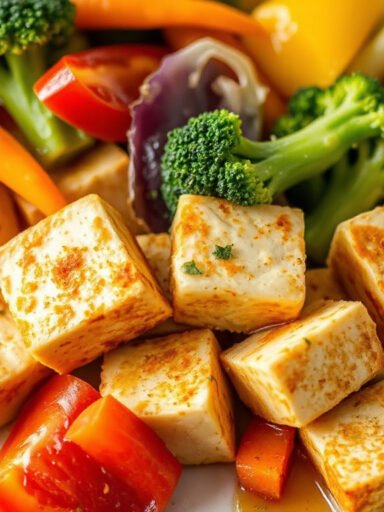
- Vegetarian Adaptation: Substitute pork with firm tofu or tempeh, and use vegetable broth in the sauce.
- Storage: Keep leftovers in an airtight container in the refrigerator for up to 3-4 days. Reheat gently to preserve texture.
Nutritional Highlights
A typical serving (without rice or noodles) offers a balanced profile:
- Calories: Approximately 447 kcal
- Protein: Around 40g
- Carbohydrates: 17g
- Fat: 25g (includes healthy fats from sesame oil)
- Fiber and essential micronutrients from the vegetables
This dish strikes a harmonious balance of macronutrients while delivering big flavors.
Embrace the Bold and Spicy
Spiced pork stir-fry embodies the perfect blend of spicy, sweet, savory, and tangy elements that excite the palate. It’s quick to prepare, flexible with ingredients, and endlessly satisfying—ideal for weeknight dinners or anytime you crave a dish with a kick. From the fiery depth of gochujang to the crisp snap of fresh vegetables, this dish ensures every bite is a delightful adventure in flavor.
So, roll up your sleeves and prepare to savor the spice with a spiced pork stir-fry that’s both comforting and exhilarating!