Mandy Croft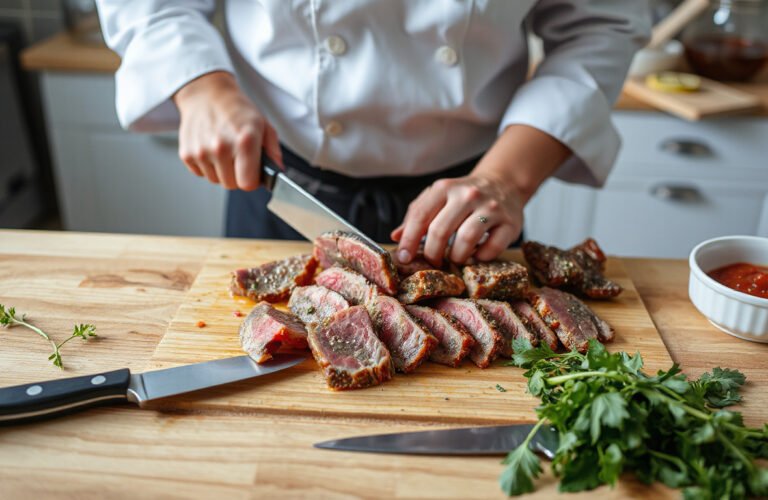
Slicing meat thinly is a skill highly valued in many culinary traditions, from delicate Japanese shabu shabu and gyudon to hearty deli sandwiches and flavorful grilled skewers. Achieving consistently thin, tender slices can transform your dishes, enhance flavors, and improve textures. Whether you want paper-thin beef for carpaccio, precise cuts for hot pot, or beautifully sliced roast beef for sandwiches, this guide will equip you with proven techniques, tools, and tips for slicing meat thinly at home like a pro.
Why Slice Meat Thinly?
Thin slices of meat cook faster and more evenly, absorb marinades better, and melt effortlessly in your mouth. This is especially important for quick-cooking dishes like shabu shabu or bulgogi, where thick cuts would be tough or require longer cooking. Thin slices also allow for visually appealing presentation and balanced flavor integration.
Essential Techniques for Slicing Meat Thinly

1. Start with the Right Cut and Quality of Meat
- Choose firmer, leaner cuts: Cuts like beef tenderloin, top sirloin, strip loin, ribeye, filet mignon, pork loin, or pork belly are ideal because their texture holds up well to slicing.
- Opt for thicker chunks: Buy steaks or meat blocks at least 1.5 to 2 inches (3.8 to 5 cm) thick, which allows you to slice wider thin slices that hold together.
- Consider shape and size: Large pieces or steaks can be halved or quartered for easier handling and better leverage during slicing.
2. Chill the Meat Properly
- Partial freezing is key: Place the meat wrapped tightly in plastic wrap on a metal tray or baking sheet in your freezer for about 1 to 2 hours (depending on size and fat content) until it becomes firm but not frozen solid.
- Why partial freeze? Firm meat is easier to slice thinly and cleanly since it prevents the knife from sticking or tearing fibers.
- Avoid fully frozen meat: This can dull your blade and make slicing difficult or unsafe.
3. Use the Right Knife and Sharpen It Well
- Select a proper slicing knife: A long, flexible slicing knife with a granton edge (oval-shaped scallops along the blade) helps cut smoothly by reducing friction and sticking.
- Popular choices: Henckels 10" granton slicer is a premium option; Victorinox Fibrox 14" slicing knife is a highly recommended cost-effective alternative.
- Keep the blade sharp: A sharp knife ensures clean cuts with minimal resistance, reducing the effort and risk of mishaps.
4. Slice Against the Grain
- Always cut perpendicular to muscle fibers: This breaks down tough fibers, making each bite tenderer and easier to chew.
- Look for visible grain lines: Orient your slices to cross these lines rather than aligning with them.
5. Use Proper Cutting Motions
- Gentle sawing motion: Use a smooth back-and-forth saw with minimal pressure, letting the knife do the work.
- Support the meat with your non-cutting hand (use a fork or fingertips far from the blade) to stabilize for consistent thickness.
- Consistent slices: Aim for uniform thinness, ideally around 1/8 inch (3 mm) for most applications, adjusting based on recipe requirements.
Alternative Methods and Tools
- Meat slicers: If you regularly slice meat thinly, investing in an electric deli slicer ($80 and above) can provide professional, uniform slices easily.
- Mandoline slicers: Some users report success using a mandoline for very thin slices on partially frozen meat, but blade damage and uneven slicing are possible.
- Electric trimmers: Though unconventional, using hair clippers with guards can thinly shave small meat portions for certain rustic dishes.
- Butcher services: Don’t hesitate to ask your butcher for thin slicing if you want perfect deli-style slices without the hassle.
Storage Tips for Thinly Sliced Meat
- Short-term storage: Arrange slices flat on a plate or tray covered with plastic wrap; keep refrigerated for up to 3 days.
- Long-term freezing: Layer slices with parchment or plastic wrap between them, seal tightly in freezer bags, and freeze for up to 1 month. Thaw overnight in the fridge before use.
Summary: Step-by-Step for Perfect Thin Meat Slices at Home
- Select: Firm, premium-quality cuts, at least 1.5 inches thick.
- Prep: Cut large pieces smaller if needed; tightly wrap in plastic wrap.
- Freeze: Chill in freezer 1–2 hours until firm but not frozen solid.
- Sharpen: Use a sharp slicing knife with a granton edge if possible.
- Slice: Cut against the grain using a gentle sawing motion into uniform thin slices (~3 mm thick).
- Store: Refrigerate or freeze as needed; use within recommended time for best quality.
Applying Your Thin Slices: Culinary Inspiration
- Japanese dishes: Shabu shabu, gyudon, sukiyaki, okonomiyaki
- Sandwiches: Roast beef, deli meats, Philly cheesesteaks
- Grilling: Beef skewers, Korean bulgogi
- Hot pots and stir-fries: Quick cooking, flavorful tender bites
Mastering thin slicing at home is all about preparation, the right tools, and a patient hand. With these tips and techniques, you’ll elevate your home cooking to restaurant quality, unlocking new textures and flavors in your favorite dishes. Enjoy the process—precise slicing is as much an art as it is a craft!