Mandy Croft
When it comes to cooking, timing can be everything—especially when preserving the ideal texture of your dish. Recipes often include the instruction to "serve immediately," but why is this advice so common, and what makes it crucial for culinary success? Understanding the rationale behind serving food promptly after cooking can elevate your dining experience, ensuring your dishes shine at their peak quality.
The Essence of Serving Immediately
Serving a dish immediately after cooking preserves the texture, flavor, and overall sensory experience that the chef intended. Many foods undergo textural changes as they cool or sit, which can either enhance or degrade the dish depending on its nature. The phrase “serve immediately” signals that the food’s best qualities are optimal right after preparation, before juices redistribute, starches settle, or crispness fades.

How Serving Timing Affects Texture
1. Maintaining Crispy Elements
Foods with crispy or crunch elements—think French fries, tempura, or Yorkshire pudding—are best served right away. As these dishes cool or sit, moisture is reabsorbed, causing their signature crunch to turn soggy. Serving immediately ensures your dish retains that satisfying crisp bite.
2. Preserving Juiciness and Tenderness
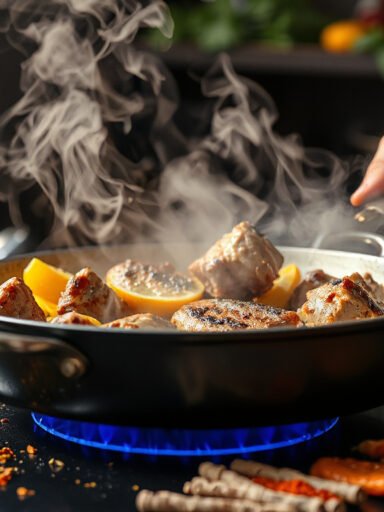
Especially for meats and stir-fry dishes, serving immediately helps lock in juiciness. For example, overstaying on a plate or resting too long can lead to continued cooking from residual heat, which dries out the meat or causes it to lose its tender texture. Quick serving prevents this overcooking and moisture loss.
3. Capturing Peak Flavor and Aroma
Some dishes reach their flavor zenith right after cooking. Stir-fries benefit from "wok hei"—the unique smoky, aromatic qualities from high-heat cooking—which dissipate quickly. Immediate serving delivers these vibrant flavors unmuted by chilling or reheating.
When Not to Serve Immediately?
Not every dish benefits from being rushed to the table. Slow-cooked stews, roasts that need resting to redistribute juices, or dishes like lasagna and moussaka often improve with a short wait. Resting allows flavors to marry, textures to set, and serving to yield a more pleasant eating experience.
This contrast highlights why recipes carefully specify when to serve immediately—it’s about understanding the science of the dish’s composition and the desired sensory outcome.
Experimenting With Serving Times
The best way to appreciate the impact of serving immediately is to experiment. Cook a dish with the instruction and savor it fresh, then try it after holding it for a while. Noticing differences in texture, moisture, and flavor firsthand informs your own culinary judgment, allowing you to adapt recipes in ways that align with your preferences.
Trust Your Culinary Intuition
While recipe instructions serve as excellent guidelines, experienced cooks often modify based on personal technique and preference. For instance, a well-prepared chicken breast may not need servicing instructions verbatim if you know how to retain its juiciness and flavor. Cooking is an art as much as a science, and learning when to serve immediately enhances this artistry.
Final Thoughts
Serving food immediately after cooking is a simple yet powerful way to ensure the best texture and flavor. It helps retain crispness, juiciness, and the dish’s intended sensory profile. Recognizing which dishes demand this timing and which can benefit from resting is key to showcasing culinary perfection on your plate.
By embracing these principles and honing your judgment, you can unlock textures and flavors that elevate everyday meals into memorable dining experiences.
Summary: Serving food immediately maintains optimal texture and flavor, especially for dishes reliant on crispness or freshness. Timing affects moisture, texture, and aroma release, which is why some recipes emphasize immediate serving. Experimentation and culinary intuition will guide you best in mastering when to serve for perfect results.