 Mandy Croft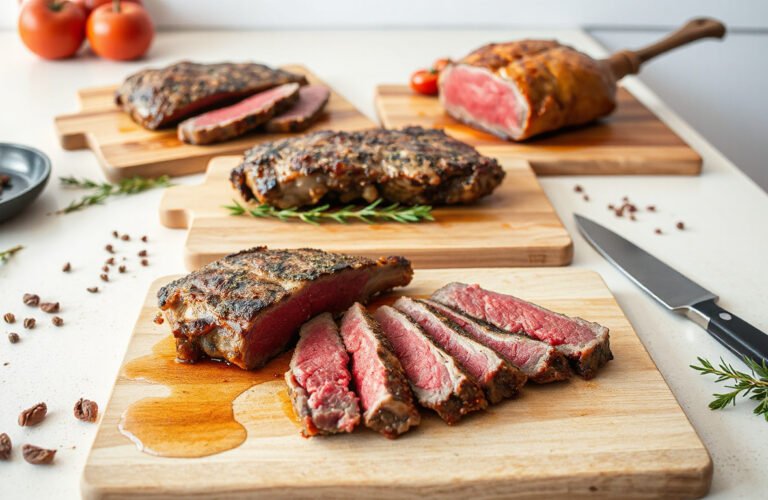
Resting meat after cooking is a common culinary practice that can significantly impact the final texture, juiciness, and flavor of your dish. Though the concept might seem simple, there’s more science and technique involved than many realize. This guide delves into why resting meat matters, the best ways to rest different cuts, and how this step enhances every bite.
Why Rest Meat After Cooking?
When meat cooks, its muscle fibers contract and tighten, pushing natural juices towards the center. If you cut into it immediately after cooking, these juices spill out onto the plate or cutting board, making the bite less juicy and the meat appear drier. Resting lets these juices redistribute evenly throughout the meat, relaxing the fibers and improving tenderness.
The Myth of Cold Meat
Many fear that resting makes the meat cold and less enjoyable. However, this is largely a misconception. Due to carryover cooking, residual heat within the meat continues to cook it gently for several minutes post-heat source removal. This means that not only does the meat stay warm during resting, it often reaches its ideal doneness during this time.
The Science Behind Resting Meat
Older culinary teachings suggested that resting allows the meat fibers to reabsorb expelled juices, which reduces moisture loss on cutting. While intuitive and supported by some early tests, recent studies argue this is an oversimplification.
- Modern experiments controlling the internal temperature at the moment of slicing show resting doesn’t necessarily reduce juice loss significantly.
- Instead, resting primarily serves as a temperature regulating method, managing the continue of internal cooking (carryover cooking) and allowing the meat to finish cooking gently and evenly.
- Carryover cooking causes the center of the meat to rise by several degrees even after removal from heat, which affects texture and doneness.
- Resting can also prevent the crust or seared exterior from turning soggy, as slicing immediately may cause steaming.
Juiciness — More than Juice Retention
Perceived juiciness is complex, influenced by fat, collagen, salt content, and texture, not just liquid retention alone. Thus, resting meat enhances the overall eating experience by improving tenderness and coloration, not solely by reducing liquid loss.
How to Rest Meat Correctly
Timing
- General rule: Rest for about 1 minute per 100 grams (3.5 ounces) of meat.
- More important than strict timing is monitoring the internal temperature: rest until the temperature stops rising and begins to drop slightly.
- Smaller cuts like steaks may only need 5–10 minutes.
- Larger cuts like roasts or whole poultry may benefit from 15–30 minutes or more.
Temperature & Carryover Cooking
- Larger joints can see a carryover temperature increase of up to 10°C (18°F).
- Smaller cuts will have a smaller temperature shift of a few degrees.
- Resting meat pulled off at too high a temperature can be balanced by resting in a cooler environment or near a breeze to moderate cooking.
Method: Tenting vs. Air Circulation
- Tenting with foil: Helps retain heat but encourages carryover cooking; best for larger joints.
- Uncovered on a rack: Promotes even cooling and prevents sogginess, ideal for steaks and smaller cuts.
- Using a wire rack over a board or plate allows air circulation and even temperature regulation.
Using Resting Juices
Juices that pool during resting are flavorful and should not be wasted. They can be poured back onto the meat or incorporated into sauces and gravies for added depth.

Visual and Textural Differences of Rested Meat
- Rested meat shows an even pink hue or color spread throughout.
- Unrested cuts often appear gray near the surfaces with a deep pink center.
- Rested meat fibers are relaxed, tender, and hold their juices better when sliced.
- Unrested meat fibers are tight, causing more juices to spill out when cut.
Special Considerations for Different Meats
Steak
- Provides the clearest example of the resting effect.
- Rest for 5–10 minutes depending on thickness.
- Rested steaks maintain juiciness, tenderness, and appealing color.
Poultry (e.g., Chicken or Turkey)
- USDA recommends cooking chicken to 75°C (167°F) for safety, but resting can allow for cooking to a lower temperature (around 60-65°C/140-149°F) with residual heat achieving safe final temperature.
- Resting after cooking results in juicier poultry, especially for whole birds.
- Resting times can range from 15 minutes to an hour for large birds.
Tips From Experienced Cooks and Chefs
- Use a heated plate or warm surface to prevent your resting meat from cooling excessively.
- Match resting time to thickness — thicker cuts naturally require longer rests.
- Room temperature meat myth: Meat does not need to be at room temperature before cooking to rest properly.
- When in doubt, use a meat thermometer to track internal temperature during resting.
- If meat is getting too cool during resting, briefly reheating it for 10-15 seconds per side can help without overcooking.
Conclusion
Resting meat is a crucial step that enhances flavor, texture, and overall eating experience. It works by regulating temperature, allowing internal cooking to complete evenly, and facilitating juice redistribution within the meat fibers. While myths about juice retention persist, resting also prevents toughness and maintains pleasant moisture perception. Whether you’re preparing a delicate steak or a large roasting joint, mastering meat resting will elevate your cooking to professional levels of succulence and tenderness.
Embrace the rest period — your taste buds will thank you!


