Mandy Croft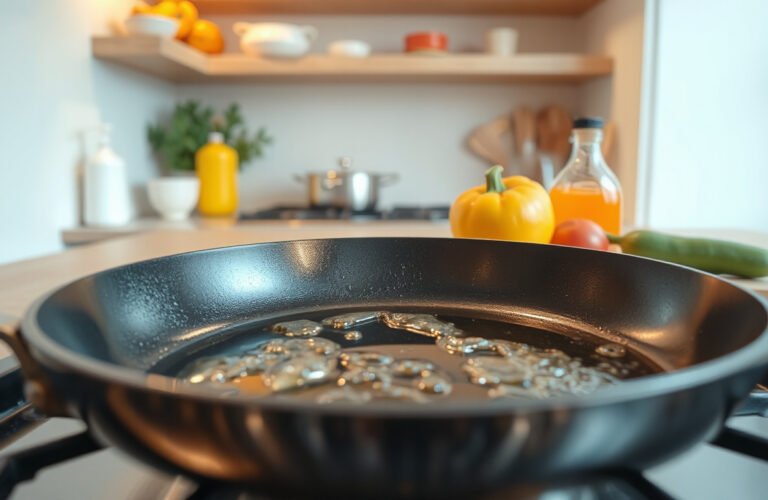
When a recipe instructs you to "preheat oil until shimmering," you might wonder what exactly that means and why it matters. Achieving the right oil temperature is a fundamental skill that impacts the texture, taste, and overall success of your dishes—whether you’re sautéing vegetables, searing meat, or frying cutlets. In this guide, we’ll demystify what shimmering oil looks like, why it matters, and practical tips for mastering this crucial cooking step.
What Does “Shimmering” Oil Look Like?
Shimmering oil is a visual cue indicating your oil has reached a specific temperature range—generally around 275°F (135°C). At this point, the oil surface gleams and appears to ripple slightly, almost as if it is gently moving or wavy. This effect happens due to the movement of low-density hot oil plumes rising from the bottom of the pan, creating tiny waves on the surface.

Unlike the smooth and still surface of cold oil, shimmering oil signals that it is hot and ready to interact with your ingredients. It’s a middle ground before the oil starts to smoke, which is the stage where it begins to burn and produce visible smoke.
Why Preheat Oil Until It’s Shimmering?
Preheating oil to this shimmering point serves two main culinary purposes:
1. Preventing Food from Sticking
Raw proteins, such as meat or fish, chemically bond with metal surfaces at the molecular level. Heating the oil ensures that when your food hits the pan, the proteins immediately start to cook and change their structure, folding in on themselves. This transformation prevents molecular bonding that causes sticking. The shimmering oil is hot enough to begin this process instantly, ensuring your meat releases easily from the pan and forms a crisp, flavorful crust.
2. Controlling Cooking Temperature for Desired Results
The initial temperature of your oil affects how heat transfers to the food. For example:
- High heat for searing: Shimmering oil is ideal for searing steaks where a blasting heat on the exterior encourages the Maillard reaction—a series of chemical reactions responsible for browning and generating complex flavors.
- Gentle cooking: Conversely, if you want to soften onions or garlic without browning, you’d avoid preheating oil too much to shimmer. Starting with lower temperature oil allows for slower cooking without burning.
Shimmering oil is therefore a versatile indicator that your pan is primed for many cooking tasks that require a balance between heat and control.
How to Know When Your Oil Is Shimmering Without a Thermometer
While using an infrared or probe thermometer is the most precise way to monitor oil temperature, home cooks can rely on visual and tactile cues:
- The oil surface starts to gleam and ripple as the heat rises.
- When you slightly tilt the pan, the shimmering appears as fluid waves moving across the surface.
- If you drop a small bit of batter or crustless bread cube and it immediately bubbles and sizzles, your oil is likely shimmering or hotter.
What Happens If You Overheat the Oil?
If your oil reaches its smoke point (typically between 350°F and 520°F depending on the type of oil), it will start producing wisps of smoke. At this stage, the oil begins to break down and can develop off-flavors or potentially harmful compounds. Overheated oil appears darker in color and has a strong burnt smell. If this happens, it’s best to discard the oil and start over to maintain the quality and healthfulness of your dish.
Choosing the Right Oil for Shimmering
Different oils have different smoke points and flavor profiles, so selecting the right oil affects how you preheat:
- Extra Virgin Olive Oil: Stable up to around 375-410°F and rich in antioxidants, making it suitable for many cooking methods including sautéing and shallow-frying. It visibly shimmers before reaching smoke.
- Light or Refined Oils: These have higher smoke points (up to 475°F or higher) and are great for high-temperature frying where a neutral flavor is desired.
Understanding your oil’s properties allows you to better judge when shimmering occurs and match it to your cooking needs.
Practical Tips for Preheating Oil to Shimmer
- Start with oil in a cold pan: Adding oil before heating helps you better gauge the temperature by watching the oil’s surface change.
- Use moderate heat: Heating oil gradually helps avoid sudden overheating and better control shimmering.
- Have your ingredients ready: Once the oil shimmers, add ingredients immediately to prevent the oil from passing its ideal cooking temperature.
- Observe and adjust heat: If the oil smokes, reduce the heat promptly.
When is It Okay to Start Cooking With Cold Oil?
Not all recipes require preheated oil. For some dishes, like slowly caramelized onions or gentle sweated vegetables, starting with oil and ingredients cold together can produce tender results without sticking or burning. However, for searing, frying, or browning, waiting for that shimmering stage yields superior texture and flavor.
Mastering how to preheat oil until shimmering is a game-changer in the kitchen. This simple sensory cue guides you in applying the right heat to your oil, ensuring your food cooks evenly, develops wonderful textures, and doesn’t cling frustratingly to your cookware. With practice, you’ll gain confidence to look for that gleaming ripple and trust the perfect oil temperature has arrived for delicious results every time.