Mandy Croft
Tossing food in a pan is more than just a flashy cooking trick—it’s a skill that enhances efficiency and adds flair to your culinary repertoire. Whether you’re stir-frying vegetables, sautéing shrimp, or mixing pasta with sauce, knowing how to properly toss food in a skillet or wok can improve the cooking process and help ingredients cook more evenly. This guide will walk you through the fundamentals of practice tossing techniques, so you can build confidence and master the art of tossing with ease.
Why Practice Tossing?
Many home cooks hesitate to toss food because it feels risky—imagine food flying everywhere or spilling out of the pan! However, tossing is an incredibly fast and efficient way to move and mix ingredients without the need for stirring utensils. In professional kitchens, tossing helps chefs combine ingredients quickly while preserving texture and flavor.
The secret to feeling confident lies in practice. Like any skill, practice tossing starts with repetition and patience, preferably using inexpensive or easy-to-clean items to avoid food waste and kitchen messes.
Getting Started: Practice Techniques and Tools
1. Use Safe Practice Items
Beginners are advised to practice tossing with dry, non-perishable items such as dried beans, corn kernels, or even small candies like skittles. These items have enough weight to mimic the motion of food without creating a mess if dropped.
Avoid using lightweight or fine ingredients like uncooked rice, which can scatter everywhere and create difficult cleanups. Broken spaghetti pieces or snacks like chips or cheese puffs also work well for practicing the tossing motion.
2. Choose the Right Cookware
Tossing works best with pans that have sloped, curved sides such as frying pans, sauté pans, or woks. The shape allows food to slide upwards and back, rather than flying off the edge abruptly.
Non-stick, well-oiled pans are ideal as they ensure the ingredients slip around easily, preventing sticking during the toss.
3. Understand the Tossing Motion
Think of tossing like a smooth ski jump for your food:
- Preparation: Gently stir the food with a spoon or spatula to ensure nothing is sticking to the pan.
- Downhill motion: Push the food towards the far edge of the pan with a quick but controlled forward and downward jerk.
- The jump: At the moment the food begins to lift out of the pan, tilt the pan upwards and pull it back slightly toward you. This motion will redirect the food to leap vertically or slightly backward.
- The catch: Bring the pan forward again and slightly down to catch the ingredients as they fall back into the pan. This catches the food safely and resets you for the next toss.

This combination of forward thrust with a backward lift is key to controlling the food’s flight path.
Tips for Successful Tossing
- Confidence is crucial — hesitant or jerky movements increase chances of missing the pan.
- Use enough oil or fat to reduce sticking and help ingredients slide easily.
- Start with small amounts of food to avoid overcrowding or spillage.
- Practice repeatedly—consistent motion and muscle memory make tossing smoother over time.
- Avoid tossing delicate foods like large pancakes or omelets, which are better flipped carefully with utensils.
Advanced Applications: Tossing With Flair
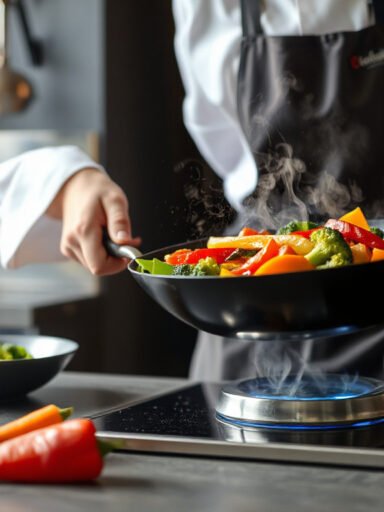
Tossing is a cornerstone technique in wok cooking, contributing to the coveted "wok hei" flavor by quickly vaporizing oils and ingredients over high heat. Beyond practicality, tossing adds an element of artistry and confidence to your cooking, just as professional chefs display in restaurants.
Final Thoughts
While tossing food in a pan is not strictly necessary for successful cooking, it remains a valuable skill that boosts efficiency, reduces utensil use, and adds visual appeal to food preparation. By practicing with safe, inexpensive items and focusing on smooth, confident motions, you’ll soon master tossing enough to impress your family and friends—plus become more comfortable in your kitchen.
Remember, every expert was once a beginner. So pick up a pan, find your favorite practice ingredient, and get tossing!
By integrating these practice tossing techniques into your cooking routine, you’ll develop a skill that transforms the ordinary act of sautéing into a dynamic and enjoyable culinary experience. Happy tossing!