Mandy Croft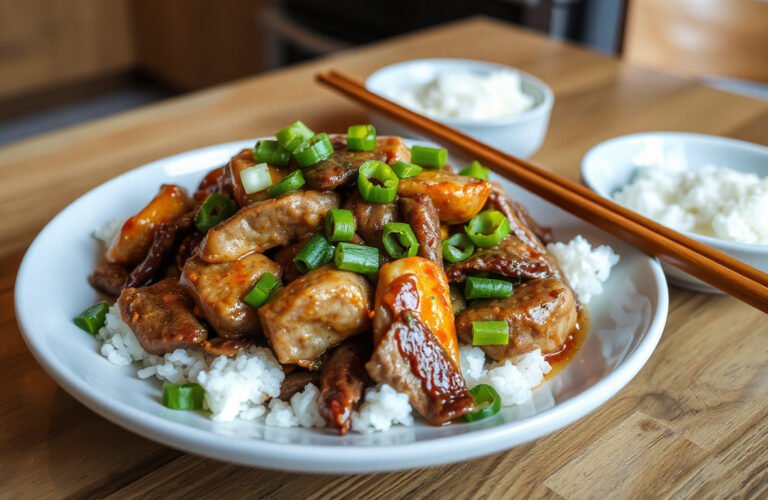
Mongolian beef with scallions is a beloved dish in American Chinese cuisine, known for its tender strips of beef enveloped in a savory, subtly sweet sauce and accented by fragrant scallions. Though it only loosely connects to Mongolia in name, this dish is a restaurant favorite and a rewarding recipe to prepare at home. Here’s everything you need to know about making an authentic-style Mongolian beef with scallions that captures the rich flavors and pleasing textures you crave.
Origins and Essence of Mongolian Beef
Despite its name, Mongolian beef does not hail from Mongolia. Instead, it is an American Chinese creation inspired by a style known as Mongolian barbecue, which originated in Taiwan during the 1950s. The original “Mongolian barbecue” refers to stir-frying thin slices of meat and vegetables on a large griddle. The “Mongolian” trigger was a marketing twist rather than a regional cuisine indicator.
The dish made famous in the U.S. revolves around thinly sliced beef stir-fried in a luscious brown sauce with a delicate balance of savory and sweet notes, often complemented by the fresh, sharp bite of scallions. The sauce mix typically features soy sauce, Shaoxing wine or dry vermouth, oyster sauce, toasted sesame oil, and a hint of chili heat from Sriracha or a similar chili sauce.
Selecting the Right Cut of Beef
For optimum tenderness and flavor, the cut and preparation of beef are crucial. Go for cuts suitable for quick stir-frying that become tender once sliced thinly across the grain. Recommended options include:
- Sirloin (especially bottom sirloin): Affordable and flavorful, it works well when sliced thinly and against the grain to break up muscle fibers.
- Flank steak: Popular for its lean texture and rich flavor.
- Skirt steak or ribeye: These can also deliver excellent results with a good marbling and chew.
Avoid thick or gristly cuts; the ideal texture should be tender but still have a bite.
Key Ingredients in Mongolian Beef with Scallions
- Sirloin steak (1 pound, sliced thinly against the grain)
- Cornstarch (to coat the beef for texture and moisture retention)
- Low-sodium soy sauce (for umami depth)
- Shaoxing wine or dry vermouth (adds complexity and subtle sweetness)
- Oyster sauce (for a layer of savory richness)
- Sriracha sauce (for a gentle kick of heat)
- Toasted sesame oil (for nutty aroma)
- Peanut or canola oil (for high-heat stir-frying)
- Fresh ginger and garlic (to infuse warmth and pungency)
- Scallions (sliced diagonally for crunch and brightness)
- Sesame seeds (to garnish)
- Steamed white rice (to serve alongside)
Step-by-Step Preparation

-
Marinate the Beef: Toss thinly sliced sirloin with cornstarch and let it rest for about 10 minutes. This coating helps seal in juices and gives the beef a slight crispness when stir-fried.
-
Mix the Sauce: Combine soy sauce, Shaoxing wine (or dry vermouth), oyster sauce, Sriracha, and toasted sesame oil in a small bowl. Set aside.
-
Stir-Fry the Beef: Heat peanut or canola oil in a wok or large skillet until shimmering over high heat. Add the beef and cook, stirring frequently, until browned and edges become crisp, around 4 minutes. Remove beef from wok and keep warm.
-
Sizzle the Aromatics: In the same wok, add ginger and garlic. Stir-fry on high heat until golden and fragrant, about 1 minute.
-
Combine and Cook: Return the beef to the wok along with the sliced scallions. Stir-fry just until scallions soften, about 3 minutes.
-
Add the Sauce: Pour in the sauce mixture and continue to stir-fry on high heat until the sauce thickens and glazes the beef evenly, approximately 3 more minutes.
-
Season and Serve: Taste and adjust seasoning with salt and freshly ground pepper. Spoon the Mongolian beef over steamed rice, sprinkle with toasted sesame seeds, and enjoy.
Tips for the Best Mongolian Beef
- Cut Against the Grain: This technique makes the beef more tender and easier to chew.
- Use High Heat: Stir-frying at high heat ensures a quick sear that locks in juices and develops flavorful edges.
- Don’t Overcook Scallions: They should be vibrant with a slight bite, not wilted.
- Shaoxing Wine Substitute: If unavailable, dry vermouth is an excellent alternative.
- Balance Flavors: Adjust the Sriracha quantity to suit your preferred spice level.
Serving Suggestions
Serve Mongolian beef with steamed jasmine or white rice to soak up the delicious sauce. You can also add a side of stir-fried vegetables like broccoli or snap peas for added color and nutrition.
In Conclusion
Mongolian beef with scallions offers a harmonious blend of sweet, savory, spicy, and aromatic flavors in a quick and accessible stir-fried dish. Whether you’re craving a restaurant-style meal or an impressive homemade dinner, this recipe’s blend of simple ingredients and straightforward technique lets you savor the flavors of an American Chinese classic in your own kitchen. With tender sirloin, crisp scallions, and a glossy, flavorful sauce, it’s a crowd-pleaser well worth making again and again.