Mandy Croft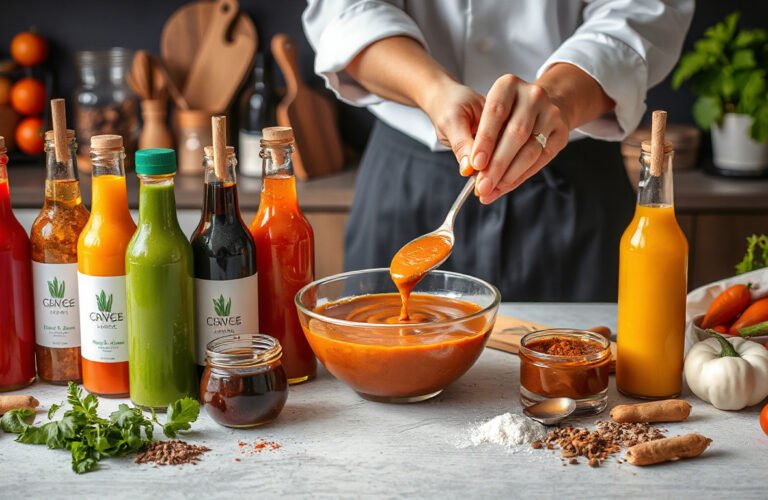
In cooking, sauces are crucial flavor amplifiers, transforming simple ingredients into extraordinary dishes. Whether you’re preparing pasta, a stir-fry, or a grilled entree, the question often arises: Should you mix sauces before adding them to your dish, or add them separately? Understanding the importance of combining sauces beforehand can elevate your culinary results by creating balanced flavors, proper textures, and harmonious emulsions.

The Science and Sensory Benefit of Mixing Sauces Beforehand
When multiple sauces or sauce components are blended prior to adding them to the main dish, they have a chance to marry, harmonizing their flavors and textures. This synthesis moderates sharp or overpowering notes, allowing spices, acids, fats, and sweetness to balance appropriately before interacting with the primary food ingredient.
For example, combining soy sauce with a bit of sesame oil and a dash of vinegar first allows the acidity, saltiness, and fat to coalesce into a single cohesive flavor profile. Adding such premixed sauce fosters a more even dispersion over the food and prevents uneven seasoning bursts.
Moreover, many sauces rely on emulsification—a process where fat and water components are combined into a stable, creamy mixture. Mixing oil-based and water-based sauces before adding them means the emulsion can form properly, resulting in a superior texture. For instance, blending olive oil and a vinegar-based dressing before tossing with pasta or salad leaves helps coat the ingredients evenly without separating.
Why Tossing Pasta with Preheated Mixed Sauce Changes Everything
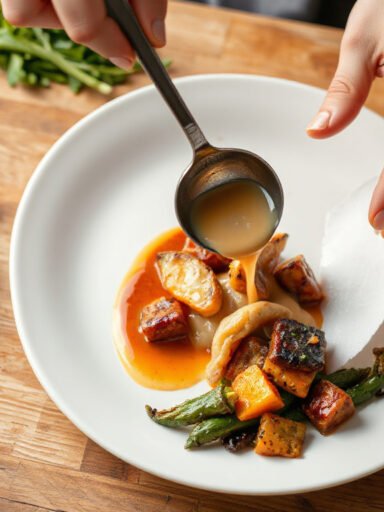
In pasta preparation, the method of adding sauce significantly impacts the final taste and texture. Simply ladling sauce over the plated pasta produces a disconnected experience: noodles remain dry underneath, and the sauce pools on top without proper integration.
Instead, heating your sauce separately and then mixing it with the pasta in a pan allows the starches released by the pasta water to interact with the fats and seasonings in the sauce. This interaction thickens the sauce slightly and helps it cling to every strand or piece of pasta, creating a luscious coating rather than a watery topping.
A key step here — highlighted by culinary experts like J. Kenji López-Alt — is adding reserved pasta water to the sauce-pasta mixture while tossing vigorously over high heat. The starchy water not only loosens the sauce for better coverage but also essentially acts as a binder that emulsifies the fat and sauce components. The result? Complex flavors meld, and you enjoy a creamier, more satisfying mouthfeel.
The Practical Upsides of Mixing Sauces Before Adding
-
Flavor Balance: Combining sauces first lets you adjust seasoning levels—sweetness, saltiness, acidity—before they hit the main dish, avoiding overpowering or under-seasoned bites.
-
Texture Improvement: Sauces mixed beforehand emulsify properly, preventing oily or watery separations and offering a consistent texture.
-
Even Coating: Mixed sauces can be evenly distributed over or integrated into the food, ensuring every bite has the intended flavor.
-
Cooking Control: Controlling heat with a pre-mixed sauce allows you to finish the dish by simmering or tossing, which can thicken and improve the sauce further.
-
Time Efficiency: Mixing sauces ahead often speeds up plating and reduces the chances of lumpy or inconsistent application on the plate.
Common Situations Where Mixing Sauces Makes a Difference
-
Pasta dishes: Mixing tomato sauce with reserved pasta water and fat in the pan before tossing with noodles as opposed to pouring sauce over served pasta.
-
Stir-fries: Blending soy sauce, oyster sauce, and aromatics off heat helps in quick, even coating of proteins and vegetables when added.
-
Marinades and dressings: Combining oils, vinegars, herbs, and spices before pouring onto greens or proteins ensures balanced flavor penetration.
-
Barbecue sauces: Mixing vinegar-based and sweet sauces beforehand lets their components settle and marry, creating a harmonious finish.
Tips for Successfully Mixing Sauces Before Adding
-
Use the right vessel: A wide pan or saucier helps you toss and stir sauces with the main ingredient efficiently.
-
Add starch-thickened liquid if needed: Pasta water or cornstarch slurry can help thicken and emulsify sauces when needed.
-
Adjust seasoning only after mixing: Taste the combined sauce before adding more salt, acid, or sweetener.
-
Heat sauces gently: Some sauces benefit from warming to better blend flavors but avoid burning.
-
Finalize with fat and fresh elements: Butter, olive oil, cheese, or herbs can be added at the end off-heat to round out flavors.
Conclusion
Mixing sauces before adding them to your dishes is a subtle yet powerful technique that can transform your cooking. Whether it’s the delicate balance of flavors, the perfect emulsion of fats, or the superior coating on pasta, premixing sauces allows you to control the taste and texture more precisely. Embrace this practice to unlock the fullest flavor potential of your sauces and enjoy richly satisfying meals every time.