Mandy Croft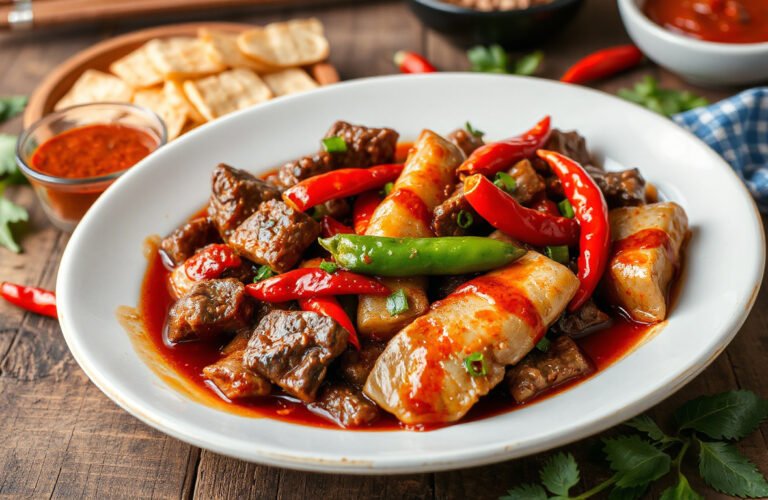
Hunan beef is a vibrant culinary delight originating from the Hunan province of China, a region celebrated for its bold and spicy flavors. Whether you’re a fan of fiery dishes or simply looking to explore authentic Chinese cuisine, Hunan beef offers a sumptuous blend of heat, tang, and hearty ingredients that tantalize the taste buds. This article delves into the origins, distinctive characteristics, and how to recreate this flavorful dish at home.

The Origins and Essence of Hunan Beef
Coming from China’s southern central Hunan province, Hunan beef embodies the region’s culinary identity, known for its love of spicy and sour flavors. Unlike the Americanized versions commonly found in takeout menus, authentic Hunan beef delivers a robust “dry spicy” flavor profile, known locally as gan la (干辣), which emphasizes pure heat from fresh, dried, or pickled chili peppers without the numbing sensation found in Sichuan (ma la) cuisine.
Hunan cuisine favors smoky, spicy, and tangy notes, often integrating fermented black beans, garlic, fresh ginger, and pickled ingredients. The overall dish tends to be drier with less sauce, allowing the boldness of spice and savory beef to shine through.
Key Differences: Hunan vs. Sichuan Cuisine
Though both regions are famous for their spicy dishes, Hunan and Sichuan cooking styles differ significantly:
- Hunan cuisine focuses on pure chili heat without the numbness from Sichuan peppercorns. It features dry, smoky, and tangy flavors with moderate use of oil.
- Sichuan cuisine often balances spiciness with the characteristic numbing effect produced by huajiao (Sichuan peppercorns), creating a layered ma la experience.
The distinctiveness of Hunan beef primarily lies in its drier preparation and intense chili presence, which can even trump Sichuan dishes in terms of spiciness.
Classic Ingredients and Flavor Components
Traditional Hunan beef uses lean cuts such as flank steak, which is thinly sliced and either lightly fried or stir-fried until tender with a slightly crispy exterior. The dish features a vivid medley of colorful vegetables such as:
- Broccoli florets
- Bell peppers (red, green, or even mild poblanos)
- Celery
- Baby corn
- Shallots
- Garlic
- Ginger
The seasoning emphasizes layers of umami and heat, commonly incorporating:
- Soy sauce
- Oyster sauce
- Beef broth or stock
- Rice vinegar or Chinese black vinegar
- Chili paste (e.g., sambal oelek, chili garlic sauce)
- Fermented black beans
- Shaoxing wine (optional)
- Cornstarch (to thicken sauce)
A subtle sweetener like honey or granulated sugar balances the acidity and heat.
Authentic Preparation Method
Here’s a summarized guide to cooking authentic Hunan beef:
-
Marinate the Beef: Tenderize and flavor flank steak slices using a simple marinade of oyster sauce, water, and baking soda for about 30 minutes. This acts to soften the meat and impart savoriness. Lightly dredge in cornstarch to create a delicate crispy crust when cooked.
-
Prepare Vegetables and Peppers: Thinly slice a vibrant mix of fresh peppers including red Hollands, banana peppers, poblanos, and bell peppers. Keep whole dried chili peppers on hand for toasting.
-
Fry the Beef: Heat your wok until smoking, then fry the beef in batches in hot oil until browned and slightly crispy. Set aside, leaving a bit of oil in the pan for stir-frying veggies and aromatics.
-
Stir-Fry Aromatics and Peppers: Fry sliced ginger, shallots, fresh peppers, dried chilies, garlic, and fermented black beans to release their fragrant and spicy essence in the hot oil.
-
Combine and Finish: Return the beef to the wok, add the pre-mixed sauce (soy sauce, vinegar, broth, sugar, pepper, etc.), and toss everything quickly on high heat until the sauce thickens and mostly evaporates, leaving a dry and intense coating of flavor.
-
Serve: Traditionally served over steamed white rice to balance the spice and savoriness.
Americanized vs. Authentic Hunan Beef
The American-style Hunan beef often falls short of authenticity. It typically resembles a standard brown sauce stir-fry with added peppers and chili oil, leading to a saucier, milder version that lacks the distinctive dry, smoky heat of true Hunan cuisine.
In contrast, authentic Hunan beef stands out for its:
- Dry texture with minimal sauce lingering on the plate
- Intense, layered chili heat using multiple types of peppers and dried chilies
- Use of fermented black beans adding umami depth
- Smoky aroma from searing beef and toasting aromatics
Customizations and Variations
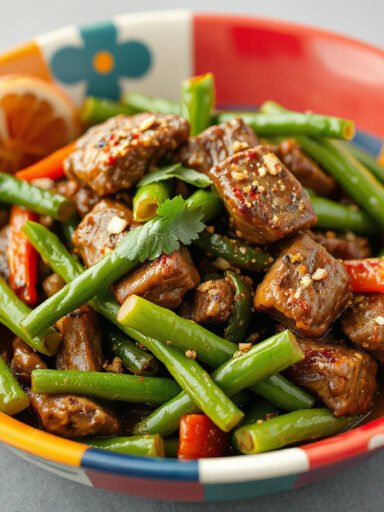
Hunan beef is versatile and can be adapted with different vegetables, such as carrots, snow peas, mushrooms, or bok choy depending on availability and preference. Nuts like cashews or sliced almonds can add a pleasing crunch.
Meat substitutes include thinly sliced chicken or pork, although beef remains the traditional choice to highlight the robust flavors of the dish.
For those hesitant about the spice level, adjusting the chili paste or the number of dried chilies allows customization from mildly spicy to fiery hot.
Bringing Hunan Beef to Your Kitchen
Making Hunan beef at home is approachable, rewarding, and allows full control of spice and ingredients for a healthier, fresher alternative to takeout. Using accessible ingredients such as flank steak, common vegetables, and typical Asian pantry staples, you can recreate this iconic dish in under an hour.
This dish offers a flavorful expedition into the world of authentic Chinese cuisine, showcasing the simple yet bold flavors of the Hunan province — perfect for those looking to savor heat and complexity in every bite.
Sample Ingredients List for Authentic Hunan Beef (Serves 4)
- 1 lb flank steak, thinly sliced
- 2 tbsp oyster sauce
- 1/4 tsp baking soda
- 1/3 cup cornstarch
- 1 red Holland or Fresno pepper, sliced
- 1 small green bell or poblano pepper, sliced
- 2 banana peppers, sliced
- 8 whole dried chili peppers
- 1/2 cup shallots, thinly sliced
- 1 tbsp fresh ginger, sliced
- 5 cloves garlic, sliced
- 2 tbsp fermented black beans (rinsed)
- 2 tbsp soy sauce
- 1/2 tsp Chinese black vinegar
- 1/2 tsp granulated sugar
- 1/4 tsp white pepper
- 2 tbsp Shaoxing wine (optional)
- 1/3 cup vegetable or canola oil (for frying)
- 2 scallions, cut into 2-inch lengths
Quick Tips:
- Marinate beef with oyster sauce and baking soda for tenderness.
- Dredge beef lightly in cornstarch for a crisp exterior.
- Fry beef in batches for optimal browning.
- Toast dried chilies in oil to release flavor.
- Use the highest heat possible during stir-frying for authentic texture.
- Aim for a dish that is spicy, smoky, and dry rather than saucy.
Discovering Hunan beef is truly an adventurous delve into the spicy, savory heart of Chinese home cooking. Whether you lean toward the Americanized version or seek an authentic experience, this dish provides a compelling balance of heat, texture, and vibrant flavors that are sure to warm and excite your palate.