Mandy Croft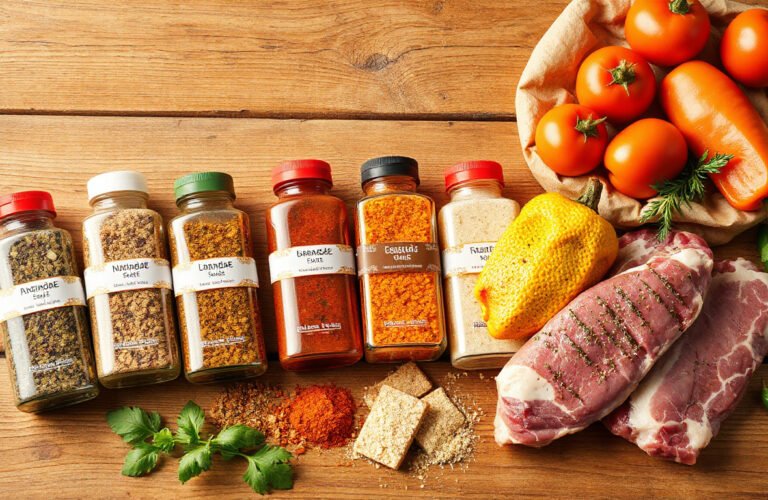
Marinating meat is a time-honored way to add flavor and tenderness, but have you ever paused to consider the crucial step before cooking—drying your marinated meat? While wet marinades infuse flavor, excess moisture can sabotage your cooking process, especially searing and roasting. This guide will unlock the secrets of using dry marinades before cooking, enhancing your dishes with rich, concentrated flavors and irresistible textures.

What Is a Dry Marinade?
A dry marinade, commonly referred to as a dry rub, is a blend of herbs, spices, and seasonings without liquid. Unlike wet marinades that soak the meat, dry rubs adhere to the surface, creating flavorful crusts when cooked. This method is especially popular for cuts like ribs, chicken wings, pork chops, and fish, imparting bold, concentrated tastes.
How Does a Dry Marinade Work?
The dry rub penetrates the outer layers of meat, seasoning just beneath the surface. While it does not tenderize deeply like acidic wet marinades, it creates a delicious crust through the Maillard reaction—a chemical process responsible for browning and flavor development on cooked meat.
Why Dry the Meat Before Cooking?
If you marinate your meat with a wet marinade, you might be tempted to throw it straight onto the grill or pan without drying it off. However, excess surface moisture can hinder the Maillard reaction, leading to less flavorful and soggy results. Here’s why:
-
Better browning: Moisture buffers the surface temperature and evaporates first, which delays browning. The Maillard reaction requires temperatures above 280°F (140°C), but water can’t get hotter than 212°F (100°C), hindering crust formation.
-
Improved texture: Drying ensures that your meat develops a crisp, flavorful crust instead of steaming in its own juices.
-
Enhanced flavor concentration: Patting the marinade-drenched meat dry leaves behind the deep flavor soaked in while removing excess liquid that might dilute taste or cause burning.
According to food science experts and chefs, patting meat dry with paper towels before cooking is a simple but essential step for any cooking method, whether grilling, roasting, or pan-searing.
How to Use a Dry Marinade Before Cooking
If you have marinated meat or plan to use a dry rub, follow these steps for best results:
-
Marinate or rub your meat: Apply your chosen dry rub or soak in a wet marinade according to recipe recommendations.
-
Remove meat from marinade: If using a wet marinade, take the meat out and place it on a plate or tray lined with paper towels.
-
Pat dry thoroughly: Use clean paper towels to gently press and absorb excess surface liquid, being careful not to rub off your spices.
-
Let rest (optional): For dry rubs, letting the meat rest uncovered in the fridge for 30 minutes to a few hours allows the rub to adhere and flavor the surface.
-
Cook with high heat: Use a preheated grill, skillet, or oven to ensure immediate crust formation.
-
Reserve marinade: If you want to use leftover marinade as a sauce, boil it first to ensure food safety, or prepare a fresh batch to serve alongside.
Combining Wet Marinades and Dry Rubs
You don’t have to pick sides—combining wet marinades and dry rubs can produce complex layers of flavor:
-
Marinate first: Let the meat soak to impart moisture and tenderize.
-
Dry and rub: Before cooking, pat the meat dry and apply a dry rub to enhance crust and seasoning.
This method is popular with chefs preparing dishes like chicken fajitas or grilled pork, where citrusy marinade flavors balance with smoky, spicy rubs.
Tips for Perfect Dry Marinades and Patting Dry
-
Always pat meat dry before applying rubs and before cooking if marinated in liquids.
-
Don’t skip seasoning salt and pepper—they enhance flavor and help form the crust.
-
Avoid overcrowding pans or grills—this lowers heat and causes steaming rather than searing.
-
Marinate for recommended times: Over-marinating, especially acidic marinades, can cause mushy textures.
-
Use fresh spices in dry rubs to maximize potency.
-
Let meat rest after cooking to lock in juices and flavors.
Simple Dry Rub and Marinade Recipes to Try
Basic Dry Rub
- 2 tbsp brown sugar
- 1 tbsp paprika
- 1 tbsp salt
- 1 tbsp black pepper
- 1 tsp garlic powder
- 1 tsp onion powder
- ½ tsp chili powder
Apply to meat and let sit 30 minutes to 2 hours before cooking.
Easy Wet Marinade
- ¼ cup olive oil
- 2 tbsp lemon juice
- 2 minced garlic cloves
- 1 tsp oregano
- 1 tsp salt
- ½ tsp black pepper
Marinate chicken for 4–6 hours, then pat dry before cooking.
Conclusion
Unlocking the full flavor potential of your meat starts with a simple step: drying the marinade off before cooking. Whether you’re using a wet marinade or a dry rub, patting your meat dry helps achieve that beautiful brown crust, optimal texture, and rich flavor everyone craves. Use this technique, experiment with rubs and marinades, and watch your cooking transform from ordinary to extraordinary.
Happy cooking, and may your dishes be ever delicious!