Mandy Croft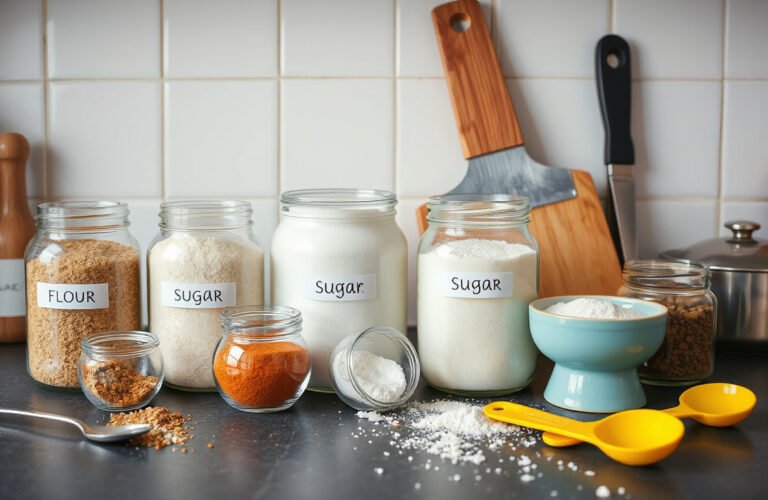
In both baking and cooking, the way you handle dry ingredients before combining them with wet ingredients can significantly impact the texture, taste, and overall success of your dish. Whether you’re whipping up a batch of fluffy pancakes, baking a delicate cake, or making hearty bread, properly preparing your dry ingredients is a foundational step that seasoned cooks and bakers swear by. Let’s explore why this step matters so much and how it can elevate your cooking.

The Importance of Prepping Dry Ingredients
Dry ingredients typically include flour, sugar, salt, baking powder, baking soda, spices, and other powdered or granulated components. Preparing them before mixing helps ensure:
1. Even Distribution of Ingredients
When dry ingredients like salt, baking powder, or baking soda aren’t thoroughly combined beforehand, some bites can end up overly salty or bitter, while others lack the needed leavening. Sifting or whisking these ingredients together creates a uniform mixture, helping distribute flavors and chemical agents evenly throughout the batter or dough.
2. Avoiding Clumps and Lumps
Flour and leavening agents often contain dense particles prone to clumping. Sifting breaks these up and aerates the flour, producing a lighter, smoother mixture. This reduces the chance of clumps that can negatively affect crumb texture and make batter uneven.
3. Predictable Chemical Reactions
Many baked goods rely on precise chemical reactions—such as between baking soda and an acid—that occur when wet and dry ingredients combine. Ensuring your dry elements are pre-mixed allows these reactions to happen consistently, resulting in better rise and fluffiness.
Should You Sift Dry Ingredients in Every Recipe?
Sifting is a traditional step in many recipes, especially cakes and pastries. However, some modern recipes may omit sifting because commercially milled flours are often pre-sifted or aerated already.
That said, sifting or at least whisking your dry ingredients before use remains highly advisable to:
- Eliminate clumps caused by storage moisture or handling.
- Blend leavening agents evenly.
- Lighten the flour for a softer, more delicate texture.
In cases involving quick breads, muffins, or dense batters, vigorous sifting may be less critical, but pre-mixing the dry ingredients is still essential.
The Debate: Mixing Order of Dry and Wet Ingredients
A perennial question in baking forums is whether to add dry ingredients to wet, or vice versa. Insights from both professional bakers and cooking communities highlight:
- Mixing dry into wet: This can help avoid lumps by slowly incorporating the flour, but it carries a higher risk of flour dust escaping into the air, creating a mess.
- Mixing wet into dry: A steady stream of wet ingredients added to a dry base can prevent splashes and may be easier to control.
Research and experience suggest that the exact order isn’t usually critical to the final product, provided the ingredients are thoroughly combined without overmixing—especially important to minimize gluten development in cakes and muffins, which would make them tough.
Tips to Perfectly Prepare Dry Ingredients
- Use a fine-mesh sieve or sifter to aerate and remove lumps from flour, powdered sugar, and cocoa powder.
- Whisk dry ingredients together in a bowl before adding any wet ingredients to ensure even distribution.
- Measure ingredients accurately — spoon flour lightly into measuring cups rather than scooping directly to avoid packing, which affects texture.
- Add leavening agents last, after the flour is aerated, to maximize rising power.
- Scrape the bowl sides frequently during mixing to fully incorporate ingredients and prevent pockets of unmixed components.
Why Prepping Dry Ingredients Elevates Your Cooking
In summary, prepping dry ingredients before cooking or baking is more than a trivial chore; it’s a technique that:
- Ensures flavor balance across every bite
- Prevents texture inconsistencies and lumps
- Encourages proper chemical reactions for leavening and tenderness
- Saves you from remaking dishes due to uneven mixing
Mastering this simple yet vital step boosts your confidence and reliability in the kitchen, turning cooking from guesswork into a consistent art.
Whether you’re a novice home cook or aiming to refine your baking skills, making a habit of prepping your dry ingredients can transform your final results. It’s a small step with a big impact—one that professional chefs and passionate home cooks alike embrace to achieve fantastic textures, flavors, and appearances every time.