Mandy Croft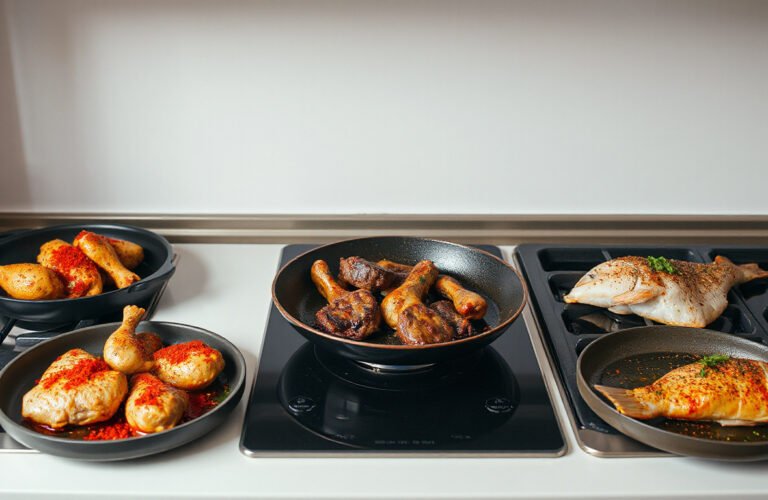
Cooking multiple proteins at once can be tempting for the sake of saving time and simplifying meal prep. However, there’s an important culinary principle that many home cooks and professionals alike swear by: cooking proteins separately. This technique ensures optimal flavor, texture, and food safety, transforming your dishes and making your cooking experience more enjoyable.

In this article, we’ll explore why cooking proteins separately matters, practical tips for doing it right, and how this practice can elevate your home-cooked meals.
Why Cook Proteins Separately?
1. Flavor Clarity and Enhanced Maillard Reaction
Each protein, whether it’s chicken, beef, pork, or tofu, has unique moisture content and fat composition. When cooked individually, it allows you to:
- Achieve a perfect sear and caramelization (Maillard reaction) for each protein without interference.
- Prevent overcrowding the pan, which causes proteins to steam rather than brown, resulting in less flavorful, soggy textures.
- Control seasoning precisely per protein, so flavors don’t get muddled together.
For example, searing chicken breasts alone ensures a crispy, golden crust that locks in juices. Mixing chicken with other proteins in the same pan will cause moisture to release prematurely, leading to uneven cooking and lackluster texture.
2. Better Texture Management
Different proteins require different cooking times and techniques:
- Ground beef cooks faster and benefits from browning in small batches.
- Chicken breasts need thorough cooking without drying out.
- Tofu is best cooked with moderate heat to retain firmness and develop a crispy exterior.
Cooking them separately ensures each protein achieves its ideal texture without overcooking or undercooking.
3. Easier Cleanup and Maintenance of Cookware
As shared by many in cooking communities such as Reddit’s r/carbonsteel, cooking multiple proteins together, especially in skillets like carbon steel pans, can lead to significant residue buildup. This is due to varying oils, protein exudates, and seasoning interaction, causing carbon and oil buildup that’s tough to clean.
Cooking proteins one at a time:
- Minimizes buildup and burning of residues.
- Allows you to wipe out or wipe down the pan between batches if necessary.
- Helps maintain the seasoning and longevity of your cookware, especially for carbon steel or cast iron pans.
4. Food Safety and Cross-Contamination Concern
When cooking proteins at different rates and temperatures, such as chicken and steak, cooking them separately helps avoid cross-contamination. You can give each protein the precise temperature control it requires to ensure it is safely cooked.
Practical Tips for Cooking Proteins Separately
Preheat Your Pan Properly
A hot pan is essential for a good sear. Heating carbon steel pans to the Leidenfrost effect—where droplets of water dance and evaporate quickly—ensures even heat distribution.
- Use moderate to medium-high heat depending on the protein.
- Avoid oil pooling excessively; just a light drizzle spread evenly is enough.
Dry Proteins Before Cooking
Pat dry your proteins with paper towels to remove excess moisture. This helps prevent steaming and promotes Maillard browning.
Season Simply Before Cooking
Salt proteins just before searing to enhance flavor without risk of burning spices. You can add herbs or sauces after cooking to avoid smoke or bitterness.
Clean Between Batches if Needed
For multiple batches, especially with delicate pans like carbon steel:
- Wipe out residual oil and bits with a paper towel between batches.
- Deglaze the pan with a bit of water or broth if necessary.
- Avoid harsh scrubbing during the cooking session to maintain seasoning layers.
Meal Prep Benefits: Cooking Proteins Separately
Planning meals ahead? Cooking proteins separately in batches streamlines the meal prep process:
- Store cooked proteins like chicken breast, ground beef, hard-boiled eggs, baked tofu, or slow-cooked pulled pork individually.
- Reheat or incorporate them into multiple dishes during the week for variety.
- Avoid flavor blending during cooking, keeping meals fresh and customizable.
For example, a batch of perfectly seared chicken breast can become the protein base for quesadillas, salads, wraps, and stir-fries. Cooking everything together would compromise the quality and flexibility of each meal.
Conclusion
Mastering the art of cooking proteins separately is a foundational skill that elevates home cooking. It optimizes flavor, texture, cookware maintenance, and food safety, while also making meal prep more efficient.
While it may take a little extra time upfront to cook proteins in batches, the payoff in delicious, perfectly cooked meals—and less stressed cleanup—makes it worthwhile. Start practicing this technique in your kitchen, and you’ll notice the difference in every bite.
Summary: Key Takeaways
- Cook proteins separately to avoid steaming and ensure proper browning.
- Dry and season proteins simply before cooking for best texture and flavors.
- Preheat pans adequately, and clean between batches if necessary, especially when using carbon steel.
- Separate cooking reduces cross-contamination risks and improves food safety.
- Batch cooking proteins separately helps with flexible and flavorful meal prep.
By incorporating this technique, you take a confident step toward mastering your kitchen and making meals that are truly mouthwatering.