Mandy Croft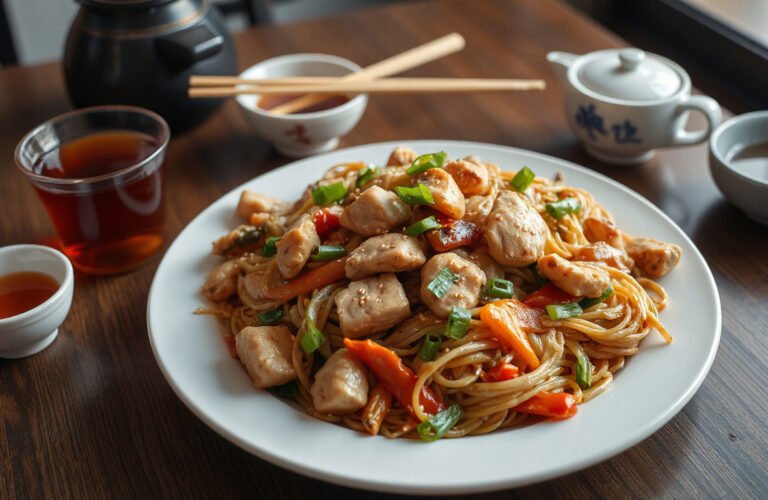
Chow Mein is a beloved Chinese stir-fried noodle dish that has captivated taste buds worldwide, celebrated for its savory flavors, luscious texture, and vibrant combination of vegetables and proteins. Whether you’re enjoying the crispy or soft noodle variant, this dish offers a versatile and satisfying meal steeped in rich culinary tradition but adaptable to many palates and kitchens. This article explores the origins, varieties, ingredients, and a step-by-step guide to creating deliciously authentic Chow Mein at home.

What is Chow Mein?
The term "Chow Mein" (炒面, chǎomiàn in Mandarin) translates literally to "stir-fried noodles." Originating from Guangdong province in China, this dish traditionally features thin wheat noodles, stir-fried with vegetables such as cabbage, bean sprouts, and carrots, and combined with meats like chicken, pork, beef, shrimp, or tofu.
Chow Mein noodles are typically made from egg and wheat flour, giving them their characteristic yellow hue. The noodles come in two main varieties: thin and slightly dry or crinkly for the classic Chow Mein, and thicker, wetter noodles used in the closely related Lo Mein dish. The key to Chow Mein lies not only in the noodles but also in the flavorful sauce and quick stir-frying techniques that create a balanced, salty-sweet, and aromatic dish.
Regional Variations
While Chow Mein has Chinese origins, its adoption around the world has led to diverse regional adaptations:
-
American Chinese Chow Mein: Often served with chicken, beef, or shrimp with celery and onions, featuring either crispy fried noodles or soft steamed noodles. The East Coast of the US commonly enjoys crispy noodles, while the West Coast tends toward softer variants. This cuisine sometimes diverts from authenticity, adapting to local tastes with sweeter sauces and additional vegetables.
-
Australian Chow Mein: Here, the dish can be confused with Chop Suey. Australian versions frequently use minced beef and curry powder and might be served over rice or noodles, highlighting a fusion approach.
-
Canadian and Caribbean Styles: These regions blend traditional Chinese techniques with local flavors and ingredients, often featuring a broad range of vegetables and protein.
-
Indian Chow Mein: The dish is popular and features local spices alongside traditional stir frying, reflecting Indian culinary influences.
Authenticity varies across regions, but the foundational elements—noodles, stir-fried vegetables, a savory sauce, and protein—remain consistent.
Key Ingredients of Chow Mein
-
Noodles: Thin Chinese egg noodles are ideal. They can be fresh, dried, or pre-cooked varieties like Ramen or Yakisoba noodles when Chow Mein noodles aren’t available.
-
Vegetables: Commonly include green cabbage, carrots, bean sprouts, and green onions. Additional veggies like celery, bell peppers, mushrooms, and snap peas can enhance flavor and nutrition.
-
Protein: Chicken (especially thigh meat for juiciness), pork, beef, shrimp, tofu, or even ground meat serve as popular choices.
-
Sauce: A balance of soy sauce, oyster sauce, sesame oil, sometimes Chinese cooking wine (Shaoxing wine), sugar, and cornstarch to thicken. This sauce delivers the dish’s signature flavor.
How to Make Authentic Chow Mein at Home
Step 1: Prepare the Ingredients
- Thinly slice your chosen protein and marinate briefly with a portion of the sauce to tenderize.
- Soak or boil the noodles per packet instructions until just tender, then drain.
- Julienne or finely shred vegetables like cabbage and carrots.
Step 2: Make the Sauce
- Mix soy sauce, oyster sauce, sesame oil, sugar, cornstarch, and a splash of Chinese cooking wine for depth.
- Adjust sweetness and saltiness to taste, mindful of soy sauce strength.
Step 3: Stir Fry
- Heat oil in a wok or large skillet over high heat.
- Quickly stir-fry garlic until fragrant.
- Cook the marinated protein until nearly done.
- Add tougher vegetables (cabbage, carrots), stir-frying until they start to soften.
- Toss in the cooked noodles and pour over the sauce with a splash of water to help distribute.
- Stir continuously for a minute until all ingredients are evenly coated, then add delicate veggies like bean sprouts and green onions.
- Remove from heat promptly to prevent overcooking.
Step 4: Serve Hot
- Chow Mein is best served immediately, while noodles are tender and sauce is glossy.
- Garnish with chopped green onions or a drizzle of toasted sesame oil for extra aroma.
Versions of Chow Mein
Soft Chow Mein
Noodles are softened by boiling or soaking, then quickly stir-fried with sauce and ingredients. The texture is tender and silky.
Crispy Chow Mein
Noodles are pan-fried or deep-fried until crisp, usually served with a thick savory sauce and stir-fried toppings poured over. This style is popular in Hong Kong and often in American Chinese cuisine.
Tips for Perfect Chow Mein
- Sauce is paramount: The distinct umami-rich Chow Mein sauce is key to flavor. Balance salty soy sauce with sweetness and a hint of opaque thickness from cornstarch.
- Use fresh ingredients: Vegetables should be crisp and proteins tenderized (velveting with baking soda is a popular Chinese technique).
- High heat cooking: A rapid stir-fry ensures ingredients are cooked yet retain texture.
- Use a wok or large skillet: Allows quick, even cooking without overcrowding, enabling a perfect toss of noodles and sauce.
- Don’t overcook noodles: They become mushy and lose their signature bounce.
- Customize: Swap proteins or vegetables to suit preferences and seasonal availability.
Chow Mein vs. Lo Mein
While often confused, the two dishes differ mainly in noodle type and cooking method. Lo Mein uses soft, boiled wheat noodles tossed with stir-fried ingredients and sauce, while Chow Mein is traditionally stir-fried with thinner, slightly drier noodles either soft or crispy.
Conclusion
Chow Mein is a definitive Chinese noodle classic that goes beyond mere sustenance; it’s a celebration of texture, flavor, and culinary ingenuity. Whether you prefer the soft or crispy version, the heart of Chow Mein remains in its flavorful sauce and fresh stir-fried ingredients. With simple techniques and accessible ingredients, you can bring the rich tradition of Chow Mein into your own kitchen and enjoy a satisfying, authentic taste of Chinese cuisine.
Enjoy your culinary journey with this iconic dish, and remember that the magic of Chow Mein lies in its balance of savory sauce, vibrant veggies, and tender noodles—truly a noodle lover’s delight.