Mandy Croft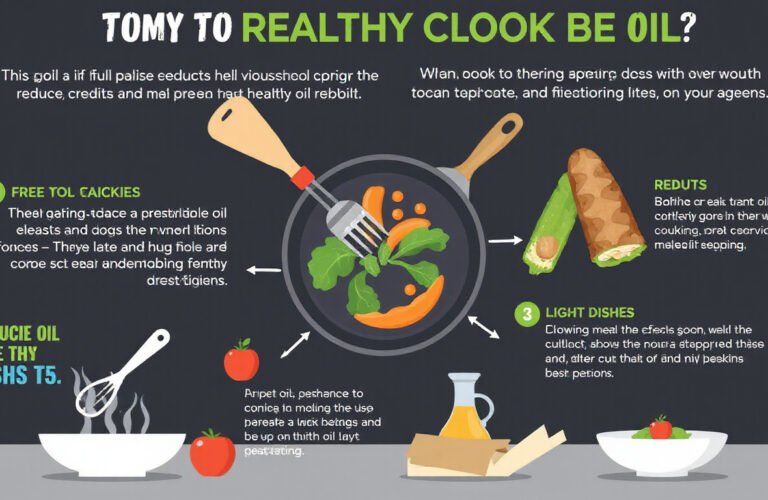
Cooking with oil is a staple technique in many kitchens worldwide, adding flavor and texture to dishes. However, using too much oil can lead to meals that are overly greasy and calorie-dense, potentially undermining healthy eating goals. Mastering the art of using just the right amount of oil not only enhances the taste and texture of food but also contributes to a lighter, healthier diet. 
Here, we’ll explore practical strategies and tips to avoid overusing oil while cooking.
Why Avoid Using Too Much Oil?
Excess oil in cooking can increase the calorie content of meals dramatically, which may contribute to unwanted weight gain if consumed regularly. Additionally, over-oiling can mask the natural flavors of ingredients, leading to greasy, heavy dishes that lack balance. Learning to control oil usage helps maintain the nutritional value of foods and keeps meals light and satisfying.
Practical Tips to Use Less Oil in Cooking
1. Measure Your Oil
Rather than pouring oil directly into the pan from the bottle, use measuring spoons to control the quantity. This habit helps build an intuitive sense of how much oil is necessary for different cooking methods, such as sautéing vegetables versus pan-frying chicken breast. For example, 1 teaspoon often suffices for sautéing a portion of vegetables.
2. Use Cooking Sprays Wisely
Cooking sprays are designed to disperse a fine layer of oil evenly, preventing sticking while adding minimal fat. While some sprays may contain additives besides oil, they are a good option for those looking to reduce oil intake. Use sprays sparingly to coat cookware surfaces instead of pouring oil.
3. Employ Non-Stick Cookware
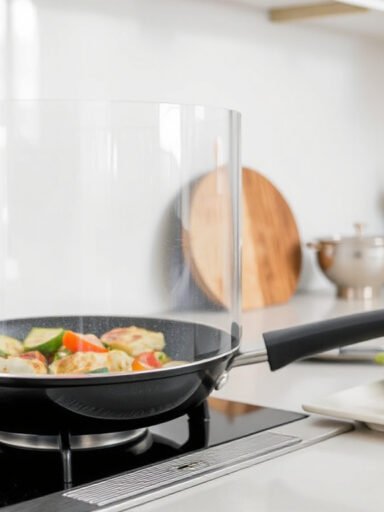
Investing in quality non-stick pans can dramatically reduce the need for extra oil, as foods are less likely to stick during cooking. This enables you to cook with very little or even no oil in some cases, especially for quick-cooking ingredients like eggs or thinly sliced meats.
4. Opt for Alternative Cooking Methods
Cooking techniques that require little or no oil—such as steaming, boiling, grilling, roasting, or baking—help retain the natural moisture and flavors of food without added fat. For example, baking vegetables with minimal oil or grilling chicken on a rack can yield delicious results with substantially less fat contribution.
5. Incorporate Moisture-Rich Ingredients
Adding water, broth, or wine to the pan can help prevent sticking and facilitate cooking without excessive oil. For example, when sautéing onions or peppers, adding a splash of broth can soften the vegetables without the need for a large amount of oil.
6. Mindful Cooking Habits
- Preheat your pan properly: A well-heated pan requires less oil to prevent sticking.
- Use oil-resistant utensils: Silicone or wooden tools prevent scraping off oil unnecessarily.
- Spread oil with a brush or paper towel: This technique distributes a thin, even layer, preventing pooling that leads to greasy food.
7. Build Flavor Without Excess Fat
Enhance dishes with herbs, spices, citrus zest, garlic, and acids like lemon juice or vinegar. These natural flavor boosters reduce the need for heavy seasoning oils or butter while keeping dishes vibrant and tasty.
Summary
Reducing oil usage is a key step toward healthier cooking and eating. Techniques such as measuring oil precisely, using cooking sprays, relying on non-stick pans, and choosing alternative cooking methods all contribute to lighter meals without sacrificing flavor. By incorporating these tips into everyday kitchen routines, you can master cooking with less oil, supporting a balanced diet and promoting long-term wellness.
By adopting mindful oil usage habits, cooks at any level can prepare meals that are both delicious and health-conscious—helping you enjoy the best of culinary flavors with a lighter touch.