Mandy Croft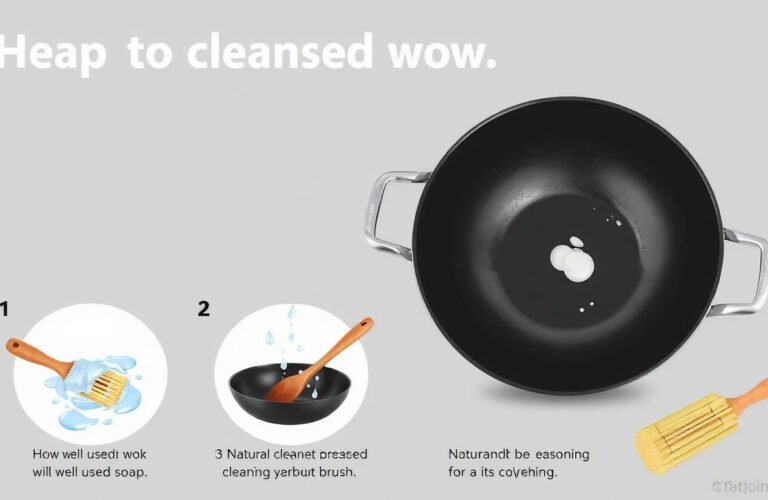
A seasoned wok is a prized kitchen tool, valued for its natural nonstick properties and ability to impart unique flavors to your stir-fries, sautés, and other dishes. Maintaining this seasoning—the patina that develops as oils polymerize and bond to the pan’s surface—is key to ensuring your wok performs at its best and lasts a lifetime. One of the most common questions among home cooks is: Should I use soap when cleaning my seasoned wok? This guide will explain why avoiding soap is generally recommended, how to clean your wok properly, and what to do if your seasoning is compromised.
Why Avoid Soap on a Seasoned Wok?
The seasoning on a wok is a thin layer of polymerized oil that provides a natural nonstick coating and protects the metal from rusting. Soap, being a surfactant, interacts with oils and fats by bonding with them to lift them away from surfaces. When you use soap on a seasoned wok, it can strip away this valuable seasoning layer, making your wok more prone to food sticking and rust.
Key reasons to avoid soap on a seasoned wok:
- Preserves the Patina: Soap dissolves the layer of seasoning, undermining the wok’s nonstick surface built up over multiple uses.
- Maintains Flavor Development: The patina enhances flavor over time; washing with soap removes this benefit.
- Prevents Rust: Without seasoning, the bare metal is exposed and susceptible to rust.
That said, occasional light use of very mild soap may be permissible if food residue is stubborn, but it should be rare and followed by re-seasoning as needed.
How to Properly Clean Your Seasoned Wok

Cleaning a seasoned wok is less about aggressive scrubbing and more about gentle maintenance to protect and nurture the seasoning. Here’s a step-by-step procedure:
1. Clean While the Wok is Warm
After cooking, allow your wok to cool slightly (be careful not to burn yourself). Rinse it with hot water—warm water helps loosen food residue without harsh chemicals.
2. Avoid or Minimize Soap Usage
Whenever possible, skip soap. If grease or flavors cling excessively, use only a tiny drop of mild soap diluted in hot water, then rinse thoroughly.
3. Use Gentle Scrubbing Tools
Clean your wok with a soft sponge, wok brush, or wooden spatula. Avoid abrasive scrubbers like steel wool that scratch the seasoning.
4. Remove Stuck-On Food Gently
For stuck residue, fill the wok with hot water and let it soak for a few minutes. Use a wooden spatula to carefully dislodge food. If needed, conduct a salt scrub by sprinkling coarse salt and scrubbing gently with a soft cloth or paper towel; salt acts as a mild abrasive without damaging seasoning.
5. Dry Immediately and Thoroughly
After rinsing, dry your wok promptly with a towel or place it over low heat on the stove to evaporate moisture. This step prevents rust.
6. Re-Oil Your Wok
Once dry, apply a thin coat of neutral cooking oil (such as canola or grapeseed) with a paper towel. This replenishes the seasoning and adds a protective barrier.
7. Never Let Your Wok Soak or Run It Through a Dishwasher
Prolonged exposure to water or dishwasher detergents will strip seasoning and cause rust.
What to Do If Your Wok’s Seasoning is Damaged or It Rusts
Accidents happen, and if your wok develops rust or loses seasoning, don’t worry. You can restore it by following these steps:
- Salt Scrub for Light Rust: Sprinkle coarse salt onto rust spots and gently rub with paper towel or cloth.
- Use a Scouring Pad for Heavier Rust: If salt isn’t enough, carefully scrub with steel wool or similar abrasive until rust is removed.
- Vinegar Soak for Stubborn Rust: Soak affected areas in a mixture of equal parts white vinegar and water for 15–30 minutes. Neutralize afterwards with baking soda, rinse, and dry.
- Re-season Your Wok: After cleaning, reapply oil and heat the wok until it smokes, repeating the process multiple times to rebuild the patina.
Additional Tips for Maintaining Your Wok’s Seasoning
- Cook with Oil: Using oil regularly helps maintain and build seasoning.
- Avoid Cooking Acidic Foods in a New Wok: Acidic ingredients (tomatoes, vinegar) can wear down seasoning and should be avoided until a strong patina develops.
- Keep Your Cleaning Gentle: Avoid heavy scrubbing to preserve the seasoning.
- Store Wok in a Dry Place: Minimize exposure to moisture to prevent rust.
Summary
Maintaining a seasoned wok is a balance of regular gentle cleaning, avoiding harsh detergents, moisturization with oil, and periodic care as needed. Avoiding soap protects the hard-earned patina and nonstick properties of your wok, while proper drying and seasoning keep it rust-free and ready for your next culinary adventure. Embrace the ritual of wok maintenance, and over time, your wok will reward you with superior cooking performance and treasured flavor depth.
By understanding why and how to avoid soap on your seasoned wok, you will extend its life and enjoy better cooking for years to come. Happy cooking!