Mandy Croft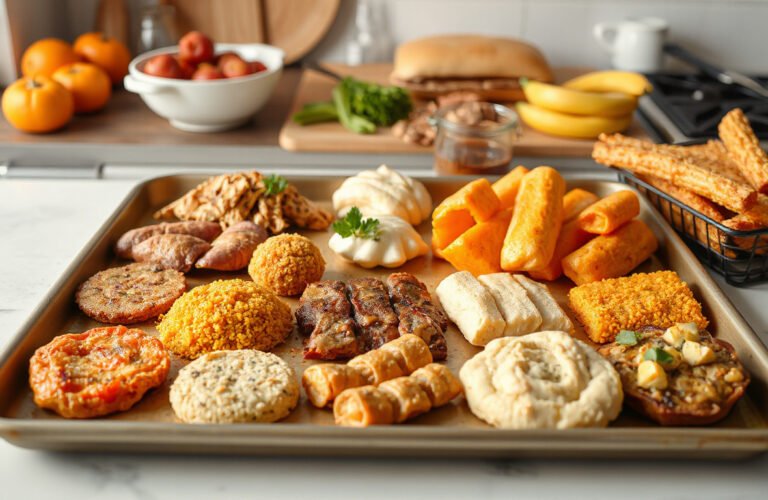
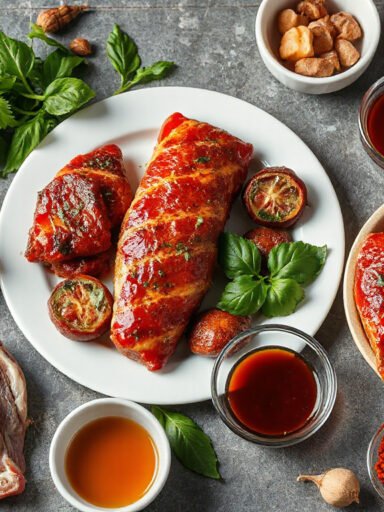
Achieving perfectly crispy, golden-brown dishes is a goal of many home cooks and professional chefs alike. However, a common pitfall that undermines this goal is overcrowding the pan or cooking surface. Whether you’re searing a steak, roasting vegetables, or frying chicken, giving your ingredients enough space is crucial for unlocking that desirable crispiness and rich flavor.

Let’s explore why avoiding overcrowding is essential and how you can apply this knowledge to enhance your cooking.
The Science Behind Crispiness: The Maillard Reaction
At the heart of crispy, flavorful food is a chemical process known as the Maillard reaction. This reaction occurs between amino acids and certain sugars at high temperatures—generally between 280°F and 330°F—producing the distinctive golden-brown crust and complex flavor compounds that elevate your dishes.
However, moisture is the Maillard reaction’s biggest enemy. Food naturally contains water, which, when released during cooking, can lower the surface temperature and prevent browning. Boiling water only reaches 212°F, so if the cooking surface is too wet, it won’t hit the high heat necessary for the Maillard reaction to occur. Instead of getting crispy, the food steams or boils in its own juices, resulting in soggy, pale, or rubbery textures.
How Overcrowding Interferes with Crispiness
When too many pieces of food are crowded together in a pan, baking tray, or oven, the moisture released from each ingredient has nowhere to escape. This creates a humid environment that traps steam, causing the food to cook through steaming rather than dry-heat methods like roasting or frying.
For example:
- Chicken skin becomes soggy rather than crispy because the released moisture pools and prevents the skin from drying out and browning.
- Mushrooms and zucchinis, which contain high amounts of water, end up soft and rubbery instead of golden and caramelized.
- Roasted vegetables lose their crispy edges and complex flavors when crowded together.
- Cookies that touch while baking often merge into one large, misshapen cookie, lacking individual crispness and structure.
Practical Tips to Avoid Overcrowding and Maximize Crispiness
1. Give Each Piece “Personal Space”
Aim to leave about one inch of free space around each ingredient. This spacing allows moisture to evaporate quickly and heat to circulate freely, promoting a thorough Maillard reaction.
2. Cook in Batches
Instead of dumping all your food into one pan, cook items in smaller batches. This maintains the pan’s temperature and ensures juices evaporate quickly, preventing sogginess and encouraging a crispy, browned exterior.
3. Use Larger or Multiple Cookware
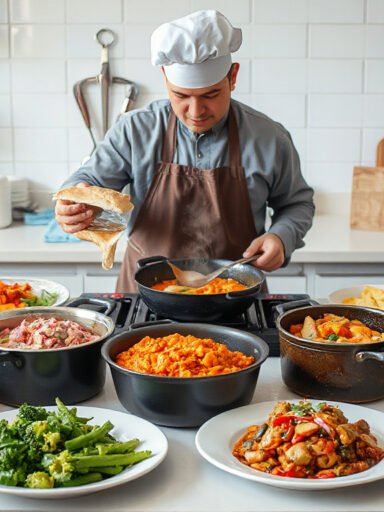
If cooking large quantities, consider using a bigger pan or multiple pans at once. This distributes the food items evenly and avoids crowding.
4. Employ Wire Racks When Roasting
For oven-roasted meats or vegetables, using a wire rack allows air to circulate underneath the food, helping moisture drip away and promoting even crisping on all sides.
5. Preheat Your Cookware and Oven Properly
Ensuring your pan or oven is sufficiently hot before adding food helps to immediately sear the surface and start the browning process before moisture accumulates.
6. Use Oil Wisely
A light coating of oil helps to conduct heat evenly and prevent sticking, but avoid over-oiling, which can add moisture and hinder crisping.
Why Patience Pays Off
Avoiding overcrowding might seem time-consuming because you have to cook in batches or prepare smaller portions at a time. However, this extra effort results in superior texture and flavor that is unmistakably worth it. Once you experience the satisfying crunch of properly spaced and browned foods, you’ll understand why professional kitchens insist on this technique.
Summary
- Overcrowding traps moisture and reduces cooking temperature, preventing the Maillard reaction.
- Proper spacing allows moisture to evaporate, enabling food to brown and crisp.
- Cook in batches if necessary and invest in larger or multiple pans.
- Use wire racks and preheat cookware to improve airflow and heat exposure.
- Practice patience; results are restaurant-quality texture and flavor.
By giving your ingredients room to breathe, you unlock the full potential of your cooking, transforming everyday meals into crispy, golden masterpieces that delight the senses. So next time you cook, remember: less crowding means more crunch!