Mandy Croft
Mastering the Wok: Why Avoiding Frozen Ingredients Directly Into the Wok Improves Your Stir-Fry Game
Stir-frying is an art form that combines intense heat, rapid cooking, and fresh ingredients to create vibrant, flavorful dishes. A wok, with its unique shape and heat distribution, is perfect for this technique. However, many home cooks wonder if they can simply throw frozen vegetables straight into the wok for convenience—and whether this shortcut compromises the dish. Let’s explore why avoiding frozen ingredients directly in your wok improves your stir-fry and how to work around frozen produce when necessary.

Why Avoid Tossing Frozen Ingredients Directly into a Hot Wok?
1. Temperature Shock Reduces Cooking Heat
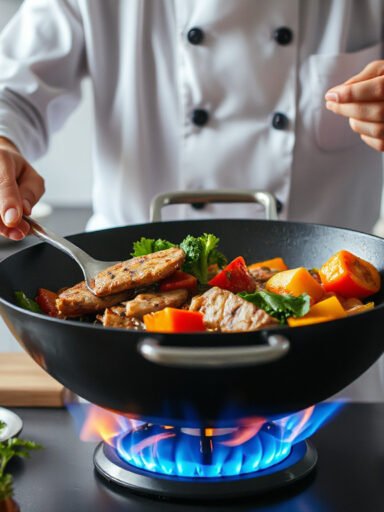
When you add frozen veggies straight from the freezer, the cold temperature dramatically reduces the overall heat of your wok. Woks need to maintain high temperatures to achieve a good sear—the “wok hei” or “breath of the wok”—which imparts that iconic smoky flavor and crisp texture to your stir-fry. Introducing frozen items chills the pan, making it harder to sear and more likely to steam the ingredients instead. This leads to soggy, limp vegetables rather than crisp, vibrant ones.
2. Excess Water Causes Splatters and Soggy Texture
Frozen vegetables contain ice crystals that turn into water when heated. Adding them directly to hot oil causes rapid melting, releasing a considerable amount of water all at once. This excess moisture can:
- Cause dangerous oil splatters.
- Steal heat from the wok as the water tries to evaporate.
- Result in steamed or "mushy" vegetables instead of stir-fried with a satisfying crunch.
3. Uneven Cooking Due to Varying Ingredient Characteristics
Frozen mixed vegetables often contain ingredients with different cooking times (e.g., onions and carrots together). When frozen, the differences can be amplified because some parts thaw and cook faster than others, resulting in uneven texture and flavor.
Best Practices for Using Frozen Vegetables in Stir-Fries
Pre-Thaw and Dry Thoroughly
To prevent temperature drops and excess water, thaw frozen vegetables before cooking. You can do this by:
- Placing them in a colander and running under warm water.
- Microwave thawing in short bursts followed by draining.
- Soaking briefly in a bowl of warm water, then patting dry with paper towels.
Drying is crucial to avoid water pooling in the wok and to help the vegetables sear properly.
Use High Heat and Work in Small Batches
Whether fresh or thawed, cooking in small batches ensures consistent high heat. Overcrowding the wok lowers the temperature, leading to steaming rather than frying. Use a wok high in heat capacity (carbon steel is ideal) and consider using a cast-iron skillet at home if your wok doesn’t hold heat well.
Consider Pre-Cooking Frozen Vegetables
Some cooks find par-steaming or par-boiling frozen vegetables before adding them to the stir-fry helps reduce moisture and ensures even cooking. Alternatively, quickly sauté frozen veggies separately to help evaporate excess moisture, then combine with other stir-fry ingredients.
Fresh is Still Preferred When Possible
If you can manage it, fresh vegetables invariably offer better flavor, texture, and control over cooking times. However, frozen can be a convenient and affordable alternative when handled correctly.
Summary: Enhancing Your Stir-Fry by Avoiding Frozen Straight into the Wok
Adding frozen vegetables directly to a hot wok often results in soggy textures and uneven cooking caused by moisture release and temperature loss. To maintain the wok’s high heat and ensure crisp, flavorful stir-fries, thaw and dry frozen ingredients beforehand or pre-cook them separately. Work with hot oil and small batches to achieve the signature sear that makes wok cooking sublime.
By understanding the science behind temperature control and moisture management, you can master your wok and elevate your stir-fry dishes—even when using frozen vegetables. Happy cooking!