Mandy Croft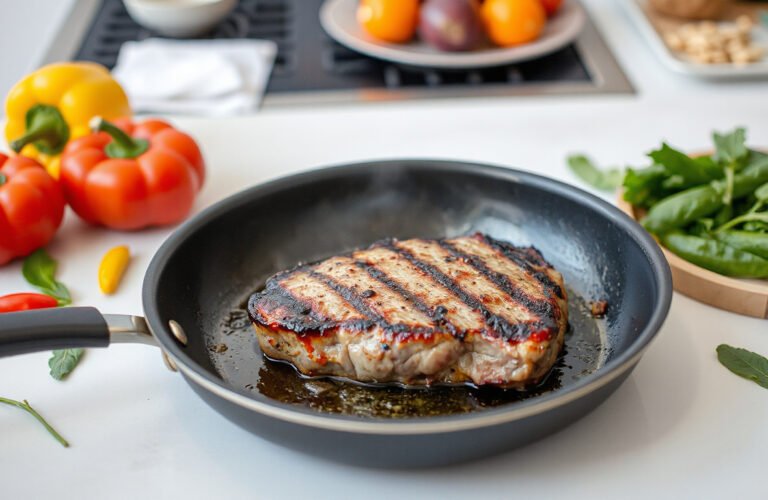
Achieving a perfect sear is a foundational skill in cooking that elevates the flavor, texture, and appearance of any protein or vegetable. Yet, a common hiccup that home cooks face is overcrowding the pan, which sabotages the searing process and results in unevenly cooked, soggy, or steamed foods instead of a crisp, golden crust. This guide explores the reasons why avoiding crowding is essential for a proper sear and provides practical tips to master this technique in your kitchen.
Why Avoiding Crowding is Crucial for Searing
1. Prevents Steaming Due to Excess Moisture
When too much food is placed in the pan, the ingredients release their moisture simultaneously, creating steam. This trapped steam prevents the surface of the food from reaching the high temperatures needed to trigger the Maillard reaction—the chemical browning that gives the delightful crust and complex flavors prized in searing. Instead of browning, your food ends up wet or boiled.
2. Maintains Pan Temperature
Crowding the pan introduces a large volume of cool or room-temperature food. This sudden temperature drop hinders the pan’s ability to remain hot, which is critical for the searing process. Without sufficient heat, food fails to develop a crisp crust and may cook unevenly. A hot pan is essential for a strong sizzle, which signals that searing is occurring correctly.
3. Ensures Even Browning and Cooking
Proper spacing allows each piece of food to contact the pan evenly, ensuring consistent heat distribution for uniform browning. Crowding causes pieces to overlap or push against each other, leading to uneven cooking where some parts are undercooked and others overcooked.
4. Promotes Proper Surface Contact
Searing requires direct, unimpeded contact between the food’s surface and the hot pan. Overcrowding disrupts this contact, creating gaps where moisture can accumulate, forming a barrier to browning.
How to Avoid Crowding for the Best Sear
1. Select the Right Pan Size
Choose a pan with enough surface area to spread out your ingredients in a single layer without overlapping. For large batches, use a wide skillet, heavy-bottomed frying pan, wok, or roasting tray to maximize space.
2. Cook in Batches When Necessary
Rather than forcing all your ingredients into one pan, cook in smaller batches. This practice maintains high heat and prevents steaming. Keep cooked batches warm in a low oven (around 90-95°C or 200°F) until all batches are ready to serve.
3. Leave Space Between Pieces
Allow at least 1-2 cm (roughly ½ inch) between pieces to enable air and moisture to escape and ensure each piece has full contact with the pan’s surface.
4. Preheat Your Pan Properly
Heat your pan for 1-2 minutes before adding food. A sufficiently hot pan produces a loud sizzle when the food hits the surface, confirming it’s ready to sear. If the sizzle quickly fades, it’s often a sign of overcrowding or insufficient heat.
5. Let Food Cook Undisturbed
Resist the urge to move or flip food immediately. Allow the food to sear undisturbed for at least 2-3 minutes. When the crust is properly developed, the food will naturally release from the pan.
6. Use the Appropriate Heat Level for Your Cookware
Cast iron and stainless steel pans need to be preheated without oil to retain heat, whereas nonstick pans require gentler heat to protect their coating. Gas stovetops offer quick heat adjustments, while electric ones warm more slowly—plan your preheating time accordingly.

Common Mistakes Related to Crowding and How to Fix Them
| Mistake | Consequence | Fix |
|---|---|---|
| Overcrowding pans | Steaming instead of browning | Cook in smaller batches |
| Adding cold food all at once | Pan temperature drops | Preheat pan and add food gradually |
| Moving food too soon | Prevents crust formation | Allow food to sit undisturbed before flipping |
| Using too small a pan | Inadequate space for food to sear | Choose larger or wider cookware |
Foods That Benefit From Proper Spacing
Proper pan spacing and avoiding crowding enhances the flavor and texture of a broad range of ingredients, including:
- Proteins: Chicken breasts, steak, pork chops, fish fillets, tofu, tempeh
- Vegetables: Mushrooms, potatoes, Brussels sprouts, zucchini, carrots
- Plant-based alternatives: Vegetable patties, tofu cubes, fritters
Final Thoughts
Avoiding overcrowding is an essential technique for mastering the perfect sear. By allowing enough space between ingredients, maintaining proper pan temperature, and practicing patience, you ensure that your food develops the rich, golden-brown crust that defines culinary excellence. Remember, mastering pan crowd control transforms everyday cooking into a flavorful, textural triumph—one perfectly seared bite at a time.