Mandy Croft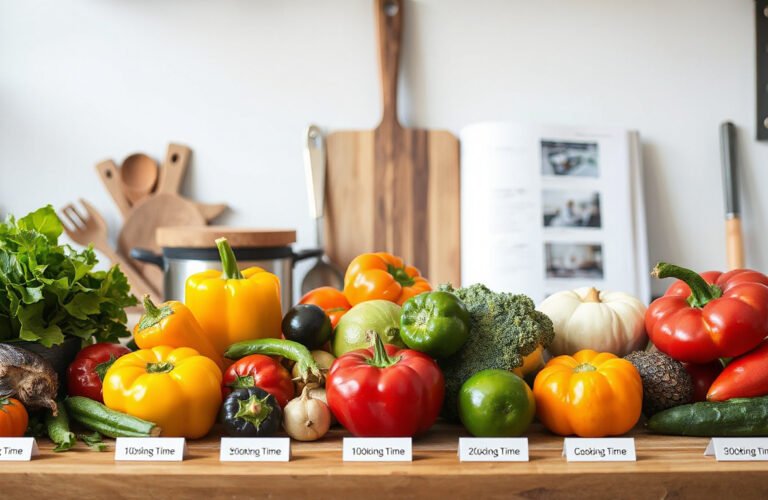
When cooking dishes that involve multiple vegetables, such as stir-fries, soups, stews, or roasts, understanding the order in which to add each vegetable can dramatically improve both the texture and flavor of your final dish. Vegetables differ widely in their cooking times due to their density, moisture content, and cut size. Adding them in the right sequence ensures even cooking, prevents mushiness, and enhances the overall dining experience.
This comprehensive guide synthesizes insights from various cooking communities and expert recommendations to help you master the timing for adding vegetables based on their cooking times.

Why Does Cooking Order Matter?
Vegetables have different textures and densities. Root vegetables like carrots and potatoes are dense and take longer to become tender. Leafy greens and delicate vegetables cook rapidly and can become soggy or lose their vibrant color if overcooked. Incorrect sequencing can result in unevenly cooked food, where some vegetables are underdone while others are too soft.
General Principles of Adding Vegetables by Cooking Time
- Start with vegetables that take the longest time to cook. These usually include root vegetables such as carrots, potatoes, and beets.
- Add medium-cooking vegetables next. These tend to be firmer, less dense veggies like broccoli, cauliflower, and bell peppers.
- Add quick-cooking and delicate vegetables last. These include leafy greens, herbs, garlic, ginger, and mushrooms.
- Consider the size and cut. Smaller or thinner cut pieces cook faster, so adjust timing accordingly.
- Be mindful of aromatics. Onions, garlic, and ginger are often sautéed first to develop flavor but be cautious with garlic’s quick browning time.
Common Vegetable Cooking Times and Sequence for Stir-Fries or Sautéing
Here is a typical practical order for adding vegetables to a stir-fry, based on cooking time and texture, using your example set:
- Onions – They release sweetness and soften within a few minutes and often form the flavor base.
- Carrots / Broccoli (if using) – Dense and slower to soften, these come next.
- Bell peppers – Softer than broccoli but still require a few minutes to soften.
- Mushrooms – They cook quickly and release moisture, so add them after firmer vegetables.
- Bok choy (greens and stalks separated) – Stalks are firmer and go before leaves. Leaves finish fast and should be added last.
- Garlic and ginger – Add towards the end of cooking vegetables to avoid burning, as garlic especially browns quickly.
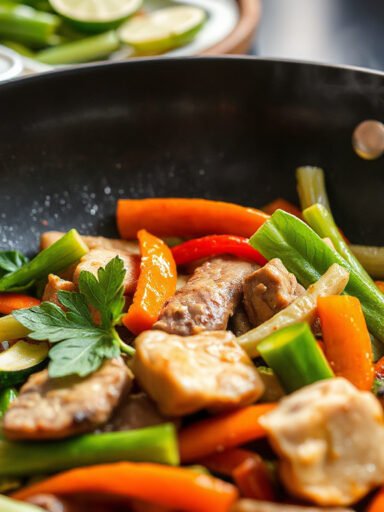
Example: Adding Vegetables in a Stir-Fry
- Heat oil in a wok or skillet.
- Add onions and stir-fry until translucent (about 2-3 minutes).
- Toss in the carrot slices or broccoli florets; stir for 3-4 minutes.
- Add bell peppers, and cook for another 2 minutes.
- Push veggies aside, add mushrooms and cook until they begin to brown.
- Add bok choy stalks and cook for 1-2 minutes, then add bok choy leaves last, cooking until just wilted.
- Finally, stir in minced garlic and ginger for a quick sauté (30 seconds to 1 minute) to release their aroma without burning.
Cooking Vegetables in Soups, Stews, or Braises
When simmering vegetables in liquid dishes, timing also matters because vegetables continue to cook as the dish simmers.
- Root vegetables and dense veggies: Add early on so they soften properly.
- Onions, celery, leeks, and carrots (aromatics): Typically sautéed first to develop flavor before adding liquid.
- Garlic, delicate herbs, and quick-cooking veggies: Added later in the process to prevent bitterness or overcooking.
- Potatoes: Often added midway or later to keep them from falling apart.
- Remember to consider that vegetables keep cooking in the hot liquid even when off the heat, so slightly undercook those added early.
Tips for Perfect Vegetable Cooking Order
- Par-cooking: For tough vegetables like carrots or potatoes, you can pre-cook (steam or microwave) to speed up the process before adding to a sauté or roast.
- Cut size and shape: Uniform cuts help vegetables cook evenly. Thin slices or small pieces cook faster.
- Use high heat for stir-fries: This helps vegetables cook quickly without steaming, retaining crunch and color.
- Test frequently: Vegetables continue to cook in the residual heat, so it’s better to slightly undercook initially.
Quick Reference Cooking Times for Common Vegetables (Stir-Fry / Sauté Approximate)
| Vegetable | Approximate Cooking Time (min) | When to Add |
|---|---|---|
| Carrots (sliced) | 5-7 | Early |
| Broccoli Florets | 4-6 | Early |
| Bell Peppers | 3-5 | After firmer vegetables |
| Mushrooms | 2-3 | After peppers |
| Bok Choy (stalks) | 2-3 | After mushrooms |
| Bok Choy (leaves) | 1 | Last |
| Onions | 3-4 | Very early or first |
| Garlic | 0.5-1 | Last, avoid burning |
| Ginger | 0.5-1 | Last or with garlic |
Summary
Cooking vegetables in the right order based on their cooking time will elevate your dishes to a new level, ensuring perfect texture and maximized flavor. Start with tough, dense vegetables and work your way to soft, quick-cooking ones. Always keep an eye on your ingredients’ progress to avoid overcooking — you’ll be rewarded with delicious, vibrant meals every time.
Mastering the art of cooking vegetables by timing is a skill that grows with practice, but armed with these principles, you’ll be well on your way to culinary success. Happy cooking!