Mandy Croft
Sesame oil, especially toasted sesame oil, is a culinary gem revered for its rich, nutty aroma and deep umami flavor. Popular in many Asian cuisines, this oil adds depth and complexity to dishes, transforming ordinary meals into extraordinary culinary experiences. However, a common question arises among home cooks and chefs alike: Should sesame oil be used at the beginning of cooking or added at the very end? Understanding the best way to use sesame oil can significantly impact the flavor and integrity of your dishes. Let’s explore why adding sesame oil at the end is often the preferred method and how it unlocks the full potential of this delicious oil.

The Nature of Sesame Oil and Its Heat Sensitivity
Sesame oil comes in two main types: untoasted (or raw) sesame oil and toasted sesame oil. Toasted sesame oil, which is made from roasted sesame seeds, has a distinctive deep brown color and a strong, nutty aroma. This type of sesame oil is primarily used as a finishing oil due to its delicate flavor profile and low smoke point.
The smoke point is the temperature at which an oil starts to burn and smoke, breaking down its structure and producing unpleasant flavors and potentially harmful compounds. Toasted sesame oil typically has a relatively low smoke point, ranging from about 350°F to 410°F (175°C to 210°C), depending on its purity and processing.
When toasted sesame oil is heated at high temperatures, especially during frying or sautéing at the beginning of cooking, its fragrant compounds can degrade rapidly. The result is a loss of the oil’s characteristic aroma and a bitter, burnt taste that diminishes its culinary value.
Why Adding Sesame Oil at the End Is Best
1. Preserves Aroma and Flavor
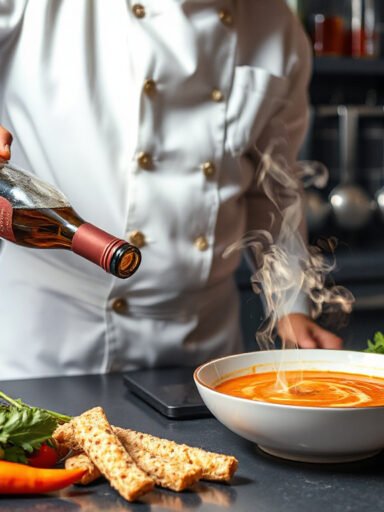
Adding sesame oil at the end of cooking or as a finishing touch preserves its aromatic, nutty essence. This is because the oil is not subjected to prolonged heat that would otherwise vaporize its delicate volatile compounds. Drizzling sesame oil over a stir-fry, soup, or steamed vegetables right before serving helps retain the nuanced flavors that can elevate the dish.
2. Enhances Umami and Depth
Sesame oil contributes an umami-rich layer of flavor to dishes. When added at the end, it acts as a flavor booster, complementing other seasonings and ingredients rather than competing with them or being lost during cooking. This practice is common in Korean, Chinese, and Japanese cooking, where sesame oil is often mixed into sauces or tossed with cooked dishes just before plating.
3. Avoids Bitterness from Overheating
Using sesame oil for prolonged frying or cooking at high heat can cause it to break down, producing a harsh, bitter taste that may overpower other ingredients. This is particularly true of toasted sesame oil, which is not intended as a cooking oil but rather a finishing or flavoring oil.
4. Better Control of Flavor Intensity
By adding sesame oil at the end, cooks have better control over the intensity of the sesame flavor. A few drops or a light drizzle can suffice, allowing the oil to be a subtle flavor enhancer rather than a dominant taste. This balance can be difficult to achieve if the oil is cooked in at the start.
When Can You Use Sesame Oil in Cooking?
While toasted sesame oil is best added at the end, untoasted (raw) sesame oil has a higher smoke point and a milder flavor, making it more suitable for sautéing or stir-frying. However, many chefs and experienced cooks still prefer to combine the use of neutral cooking oils (such as avocado or grapeseed oil) for frying, and then finish dishes with the aromatic toasted sesame oil.
DIY Toasted Sesame Oil: A Tip from Zero-Waste Cooking
If you ever run out of toasted sesame oil, you can easily make your own at home by toasting raw sesame seeds in a neutral oil over medium heat, then straining the seeds after blending. This method ensures freshness and lets you control the intensity of toasting, contributing to better flavor in your cooking.
Practical Tips for Using Sesame Oil
- Use neutral-tasting oils like avocado or grapeseed oil for frying or cooking at high heat.
- Add toasted sesame oil just before serving as a drizzle or stir it into cooked food for an aromatic finish.
- Store sesame oil in a cool, dark place or refrigerator to maintain its quality and prevent rancidity.
- Taste as you go when adding sesame oil since a little goes a long way.
Conclusion
Adding sesame oil at the end of cooking is more than a culinary preference—it’s a technique that preserves the oil’s unique aroma, enhances your dish with a layer of umami depth, and prevents undesirable bitterness caused by overheating. By respecting the delicate nature of toasted sesame oil and using it as a finishing touch, you unlock the authentic, rich flavors that have made it a staple in kitchens around the world. Next time you cook, hold off on adding the sesame oil until the very end, and savor the fragrant burst it brings to your plate.