Mandy Croft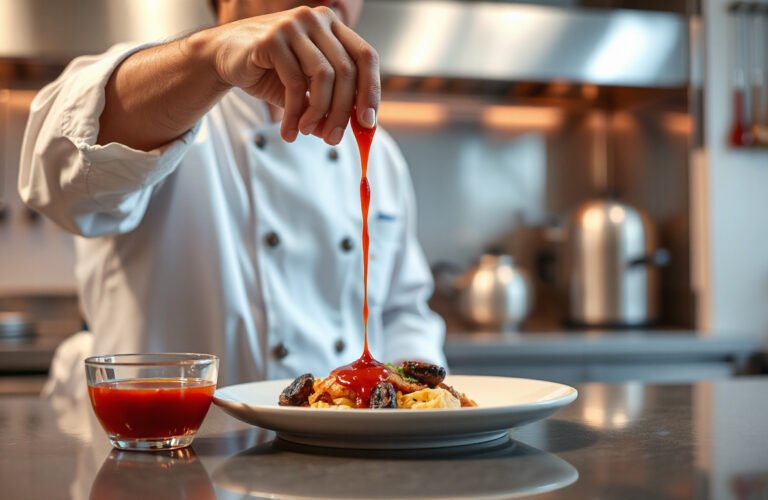
Sauces play a pivotal role in transforming simple ingredients into memorable dishes. However, the timing of when to add sauces during cooking can significantly impact the flavor, texture, and overall success of the dish. A common culinary wisdom is to add sauces towards the end of cooking, and understanding why this method works can elevate your cooking to new heights. 
This article explores the reasoning, science, and best practices behind adding sauces late in the cooking process.
Why Add Sauces Towards the End?
1. Preserving Flavor Integrity
Adding sauces at the end of cooking helps preserve the freshness and brightness of the ingredients within the sauce. When sauces are added too early and cooked for a prolonged time, delicate flavors—especially those from herbs, spices, and fresh components—can fade or become muted. For example, fresh herbs like basil or sage release their fragrance best when stirred into a dish just before serving, rather than simmering for long periods.
Similarly, reducing a sauce with salty components such as soy sauce or stock too early can concentrate saltiness excessively, leading to an over-salted dish that is difficult to fix. Waiting until the end to season also allows better control over the final taste, preventing the common pitfall of over-seasoning.
2. Avoiding Sauce Breakdown and Curdling
Certain sauces, particularly those containing dairy such as cream, are sensitive to prolonged heat. When dairy-based sauces are added early, the cream can curdle or separate due to high heat and acidity (from ingredients like vinegar or tomatoes). This is why many chefs recommend adding cream off the heat or reducing the heat significantly after incorporating these elements, which helps maintain a smooth, velvety texture.
3. Controlling Sauce Consistency
Sauces often thicken or reduce as they cook. Adding them at the end allows greater control over the sauce’s thickness. Overcooking a sauce too early or reducing it excessively can lead to a paste-like or too concentrated flavor. Late addition lets you adjust the sauce’s viscosity to perfectly coat the dish without overpowering it.
In stir-fry cooking, for instance, sauces are always added last because the high heat and quick cooking time could otherwise cause the sauce to burn or over-reduce quickly, resulting in an undesirable soggy or bitter dish.
Best Practices for Adding Sauces Towards the End
Timing and Heat Management
-
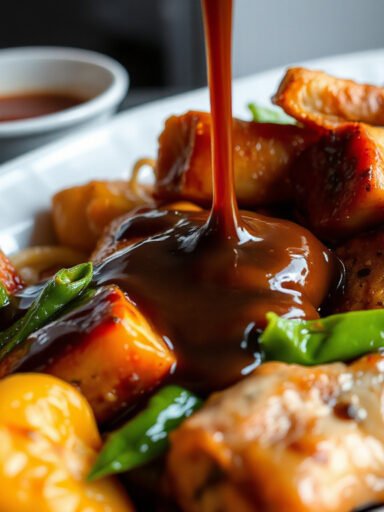
Add sauces during the last moments of cooking: For stir-fries, add the sauce after the ingredients are nearly cooked. Allow the sauce to coat the food for just 20-30 seconds over high heat.
-
Turn off or reduce heat when adding delicate sauces: For dairy or cream-based sauces, pull the pan off the heat or turn it down to low when incorporating the sauce to prevent curdling.
-
Use high heat for quick searing before adding sauce: Sear proteins and vegetables to develop flavor, then add the sauce for a brief period to finish and glaze the ingredients.
Seasoning Considerations
-
Salt at the end: Since reductions concentrate flavors, salting late prevents over-salting. Consider the salt content of pre-made ingredients like soy sauce, broth, or fermented items before seasoning further.
-
Add dried herbs and spices early: To extract maximum flavor, add dried bay leaves, oregano, pepper, or ground spices early in cooking to allow them to bloom and infuse the dish.
-
Fresh herbs belong late: Add fresh herbs just before serving to preserve their aroma and delicate flavors.
Sauce Preparation Tips
-
Make stir-fry sauces ahead: Combining ingredients overnight (e.g., garlic, ginger, soy sauce, chicken stock) allows flavors to marry but wait to add this mix at the very end of cooking.
-
Use starch for gloss and thickness: Adding corn starch or another starch-based thickener with the sauce can provide a nice sheen and help the sauce cling to the food.
-
Balance sweet, salty, and acidic components: Adjust flavors toward the end to avoid overpowering any one element and maintain the harmony of the dish.
Conclusion
Mastering the timing of sauce addition can make a significant difference in cooking. Adding sauces towards the end preserves their bright, layered flavors, avoids textural issues like curdling or burning, and gives final control over seasoning and consistency. Whether you’re simmering a rich cream sauce or tossing a quick stir-fry, understanding when and how to add your sauces will elevate your dishes from ordinary to extraordinary. Keep experimenting with timing and taste as you cook, and savor the rewarding results of skillfully applied sauces.