Mandy Croft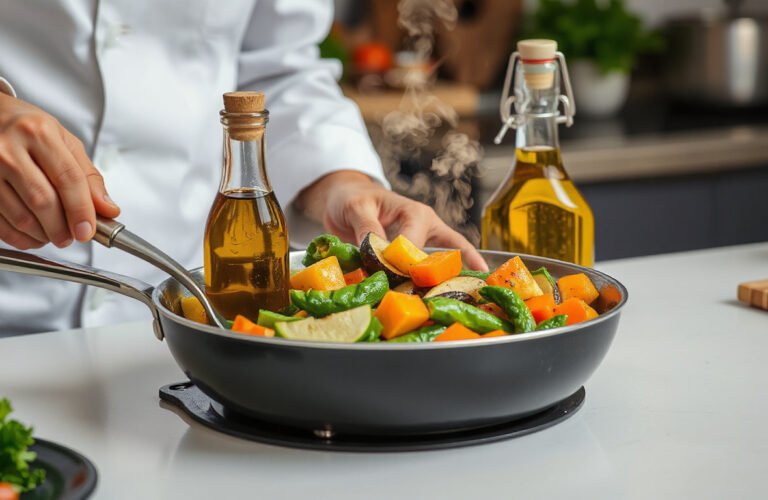
When it comes to cooking, the technique you use to heat your pan and add oil can profoundly influence the outcome of your dish. One common debate among home cooks and professional chefs alike is whether to add oil before or after heating the pan. Understanding this fundamental step can enhance flavor, improve texture, and even preserve your cookware. This article explores the rationale behind heating the pan first before adding oil, supported by expert insights and practical cooking wisdom.
Why Heat the Pan Before Adding Oil?
1. Preventing Oil Degradation and Burning
Heating the pan before adding oil shortens the time the oil spends on high heat without food, reducing the likelihood of the oil breaking down and burning. When oil is added to a cold pan and heated gradually, it is subjected to prolonged exposure to heat, which can cause it to degrade faster. Burnt oil imparts a bitter taste and can negatively affect the nutrients and aroma of your meal.
2. Better Control Over Cooking Temperature
A preheated pan signals the right moment to add oil. When the pan reaches the appropriate temperature, the oil heats almost instantly upon contact, which means you can immediately add your ingredients and begin cooking at an optimal temperature. This promotes even cooking and aids in creating the desired sear or crust on meats and vegetables.
3. Reducing Food Sticking
Adding oil to a hot pan improves its spread due to decreased oil viscosity at higher temperatures, allowing for a thinner and even layer. This reduces the chance of food sticking to the pan. Starting with a cold pan plus cold oil can result in food sticking and tearing, particularly with proteins or delicate items.
4. Preserving the Pan’s Surface
For pans without non-stick coatings, preheating dry helps avoid excess oil accumulation that could polymerize and create sticky residues. In contrast, with non-stick pans, some manufacturers recommend adding oil first to protect the coating; however, applying oil to a hot pan also gives you visual cues through the oil’s shimmering or slight smoking point, signaling when it is ready.
How to Know When the Pan Is Ready
An effective method to check if the pan is adequately heated involves holding your hand a few inches above the surface; if you feel radiant heat, the pan is ready for oil. Another common trick is sprinkling a tiny drop of water on the surface. A hot pan causes the drop to sizzle and evaporate rapidly.

What About Non-Stick Pans?
Non-stick pans are delicate and require a slightly modified approach. Many manufacturers recommend adding oil before heating to extend the life of the coating and prevent damage. However, be careful not to overheat a non-stick pan—high heat can cause the coating to degrade and release harmful fumes.
Additional Tips for Perfect Cooking Results
- Use the Right Oil: Different oils have varying smoke points. Choose oils with higher smoke points (like grapeseed or avocado oil) for high-temperature cooking.
- Monitor Oil Temperature: Heating the oil to the right temperature is critical. You can add aromatics like minced garlic or scallions to the oil as it heats; their sizzling signals readiness but beware that they burn quickly and can impart bitterness.
- Avoid Excess Oil: Preheating the pan means you can use less oil since it spreads more efficiently, contributing to healthier cooking.
Conclusion
Adding oil after heating the pan is a small but impactful technique that can elevate your cooking by enhancing flavor, optimizing texture, and protecting your cookware. By heating the pan first, you ensure quick and even oil heating, reduce oil degradation, prevent food from sticking, and gain better control over your cooking process. Experiment with this method in your kitchen, and you may notice your culinary results become more consistent and delicious.
Mastering basic cooking steps like this not only refines your skills but also brings your dishes to the next level, making every meal a delightful experience.