Mandy Croft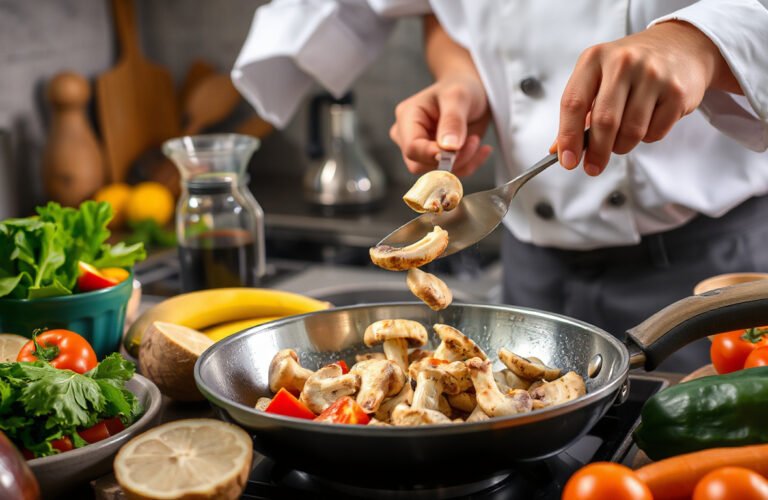
Mushrooms are a versatile ingredient beloved for their umami-rich flavor and meaty texture. However, knowing when and how to add mushrooms early in your cooking process can be the key to unlocking the best taste and texture in your dishes. Should you add raw mushrooms at the start, or later in the cooking? How do you prevent sogginess or bitterness? This article guides you through expert techniques and insider tips to help you make the most out of mushrooms in your culinary creations.
Understanding Mushrooms’ Unique Cooking Needs
Mushrooms differ from most vegetables because of their high water content—on average, they contain about 90% water. This means that cooking them improperly can often yield soggy or waterlogged results, robbing your dish of flavor and texture. The challenge lies in coaxing out their moisture efficiently while maximizing their natural earthiness and tender bite.
The Case for Adding Mushrooms Early
When incorporating mushrooms into recipes that require long cooking times—such as roasts, braises, or sheet pan meals—adding mushrooms early has both pros and cons:
Benefits:
- Flavor Infusion: Cooking mushrooms alongside other ingredients from the beginning allows their flavor to meld with the dish.
- Tender Texture: Extended cooking softens the mushrooms, integrating their texture with other components.
- Moisture Release: Mushrooms release water gradually, adding subtle juices that enhance other ingredients without drying out the dish.
Drawbacks:
- Potential Sogginess: If the cooking environment is too moist or crowded, mushrooms may steam instead of brown, leading to mushy mushrooms.
- Overcooking: Long exposure to high heat can cause mushrooms to lose their firmness and turn rubbery or shriveled.
Expert Technique: Dry Frying Mushrooms First

One highly recommended method to add mushrooms early but still maintain excellent texture is to dry fry them before incorporating them into your recipe.
How to Dry Fry Mushrooms:
- Clean and Dry: Gently clean mushrooms with a damp cloth or rinse briefly under water, then pat them completely dry. Avoid soaking them.
- Heat Pan Well: Use a cast iron or stainless steel skillet and preheat it until very hot.
- Add Mushrooms Without Oil: Place mushrooms in the hot pan, ensuring they are not crowded. This contact encourages browning rather than steaming.
- Let Them Brown: Let mushrooms cook undisturbed to develop a golden crust.
- Salt and Finish: After browning one side, flip mushrooms, sprinkle salt to draw out moisture, and continue cooking until water evaporates.
- Add Fat and Seasonings: Once the moisture cooks off, add butter or oil and season to enhance flavor.
This method releases mushrooms’ natural water slowly, allowing it to evaporate, preventing sogginess and enhancing their robust, concentrated flavor and meaty texture.
When to Add Mushrooms in Recipes Like Roasts or Oven-Baked Dishes
In recipes such as roasted vegetables or sheet pan meals cooked at high heat (e.g., 425°F or 220°C), mushrooms can be:
- Added Early but Pre-Cooked: Dry fry or sauté mushrooms separately to reduce moisture, then add them in the last 10-20 minutes of roasting. This approach prevents them from turning rubbery or mushy while still allowing them to absorb the dish’s flavors.
- Added After Initial Cooking: For delicate mushrooms or ingredients that cook quickly (like Brussels sprouts or kielbasa), partially roast the other components first, then add mushrooms midway to avoid overbaking.
Each method depends on mushroom size (small varieties like button mushrooms cook faster than large portobellos) and desired texture.
Additional Tips for Adding Mushrooms Early and Maximizing Flavor
- Cut Uniformly: Halve or slice mushrooms evenly to ensure even cooking.
- Avoid Overcrowding: Whether dry frying or roasting, give mushrooms space to brown rather than steam.
- Salt Wisely: Salt draws water out of mushrooms, so add it after initial browning to avoid excessive moisture early on.
- Combine Flavors: Finish mushrooms with herbs, garlic, or wine to complement and deepen their taste.
Conclusion
Adding mushrooms early in cooking can enhance your dishes by infusing their rich umami flavors and delightful textures if done correctly. The secret lies in managing their water content by dry frying or pre-cooking before integrating them into longer cooking processes. By following these expert techniques, you will unlock a new depth of flavor and transform mushrooms into the star ingredient of your meals.
Feel confident to experiment with these approaches, and soon your dishes will boast perfectly cooked, flavorful mushrooms that elevate every bite. Happy cooking!