Mandy Croft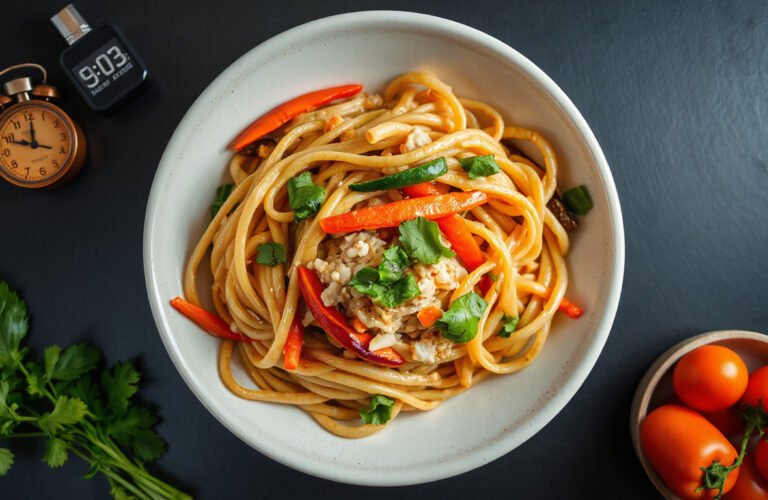
Stir-fried noodles are a universally beloved dish, but achieving that perfect texture and flavor can sometimes feel elusive. One key technique that often goes unnoticed, yet makes a tremendous difference, is allowing your noodles to rest before stir-frying. This article explores why resting noodles is vital, the best ways to prepare them, and how this step contributes to stir-fry success.
Why Resting Noodles Matters
When noodles are freshly cooked and immediately thrown into the stir-fry pan, they tend to stick together, become clumpy, or even mushy. The starch on the surface of hot noodles is still very active, causing them to glue together once combined with oil and other ingredients. Resting the noodles after cooking helps in a few crucial ways:
- Evaporates Excess Moisture: Resting noodles allows the surface moisture and steam to dissipate, making the noodles drier and less prone to sticking.
- Prevents Clumping: When cooled and separated properly, noodles remain loose and easier to stir-fry evenly.
- Improves Texture: Rested noodles develop a slightly firmer, more elastic bite, which is often described as having a better chew or “bite.”
- Enhances Oil Absorption: When lightly oiled during resting, the noodles gain a subtle coating that keeps strands separated and promotes even frying without excessive oil use.
How to Rest Noodles Before Stir-Frying: A Step-by-Step Guide

1. Cook Noodles Al Dente
Start by boiling your choice of noodles (fresh or dried) until they’re just al dente—tender but still firm. Avoid overcooking as noodles that are too soft release more starch, leading to stickiness.
2. Drain and Rinse
Drain the noodles and rinse under cold water to stop the cooking process and wash off surface starch. This step is crucial to prevent sticking.
3. Spread and Fan the Noodles
Spread noodles out on a tray or large plate in a thin layer so they cool evenly. Using a fan (or even a hand fan) to blow on the noodles helps dry them rapidly and prevents steam from causing sogginess. This technique, called making “oil noodles” in some Asian cooking traditions, is popular among street vendors aiming for that perfect stir-fry texture.
4. Toss with Oil
Drizzle a small amount of cooking oil (such as vegetable or sesame oil) over the noodles while fanning and gently tossing with chopsticks or tongs. Oil coats the noodles, preventing them from sticking to each other and to the wok later.
5. Cover and Rest
Once oiled and spread out, cover the noodles loosely with a kitchen towel or plastic wrap to keep them from drying out completely while resting. You can refrigerate them if preparing ahead; rested noodles can keep well in the fridge for up to a week.
Noodle Preparation Techniques: Insights from the Experts
-
Chinese Cooking Demystified emphasizes that successful stir-fried noodles are as much about prep as cooking. Their “oil noodle” method involves fanning and oiling noodles before storage to replicate authentic street-style stir-fry quality.
-
Wok Star Eleanor Hoh highlights that minimizing starch stickiness by adding oil during boiling water and thoroughly drying noodles are crucial steps. Resting noodles after boiling allows for much dryer, more manageable strands that fry up without clumping.
-
Reddit Culinary Community Tips note the common problem of noodles bunching together and stress that preparation, including resting and handling, is the secret behind noodles integrating perfectly with other stir-fry ingredients rather than balling up.
Tips for Stir-Frying Rested Noodles to Perfection
- Heat Matters: Use a well-seasoned cast iron wok or a heavy-bottomed pan and always preheat to very high heat. This helps sear the noodles quickly and prevents sticking.
- Use Adequate Oil: Even with oiled noodles, add fresh oil to the pan to maintain separation and prevent stickiness.
- Don’t Overcrowd the Pan: Keep the quantity of noodles and mix-ins balanced to allow even frying and tossing.
- Add Sauces Last: Seasonings and wet sauces should be added toward the end of stir-frying to prevent creating soggy noodles.
- Toss Gently but Thoroughly: Stir and toss noodles continuously during cooking to ensure all strands get evenly coated and cooked.
Conclusion
Resting noodles before stir-frying is not just a minor detail—it is a game-changing step that controls moisture, starch, and texture for delicious, non-sticky, perfectly cooked stir-fried noodles. By cooking noodles al dente, rinsing, fanning while tossing with oil, and resting properly, you unlock the secret technique used by authentic stir-fry chefs and street vendors alike. Combine this with the right wok, high heat, and timely seasoning, and you’ll consistently enjoy noodles that are flavorful, well-separated, and cooked to perfection.
Mastering the art of resting noodles transforms your stir-fries, making your dishes taste and feel closer to professional and street-food standards. Try it out next time—your stir-fried noodles will thank you!