Mandy Croft
## Want Extra Crispy Food?## Never Cover Your Pan!
Achieving that perfect crunchy texture is easy.
The secret is simple: cook uncovered.
Leaving the lid off is a game-changer.
It turns soggy meals into golden brown perfection.

Why Cook Uncovered?
Cooking uncovered means allowing steam and moisture to escape freely from the pot or pan. This process promotes evaporation, which dries out the surface of the food, a key factor for creating that golden, crunchy exterior.
1. Moisture Evaporation Enables Browning and Crispness
When food cooks in a covered pot or pan, steam accumulates and condenses back onto the food, increasing moisture levels. This damp environment inhibits browning reactions like the Maillard reaction, which are responsible for flavor development and crisp textures.
By cooking uncovered, moisture is allowed to evaporate, drying out the food’s surface. This dryness allows direct contact with heat, enhancing caramelization and crispness—think of perfectly roasted vegetables or pan-fried chicken skin.
2. Prevents Steaming and Soft Textures
A lid traps steam, which can cause food to steam rather than fry or roast. For example, frying chicken with the pan covered results in moist, less crispy skin because the trapped steam softens the surface.
Leaving the pan uncovered exposes the food to dry heat, which encourages the formation of a crunchy crust—the hallmark of frying or roasting success.
When to Use Uncovered Cooking for Crispness
Frying
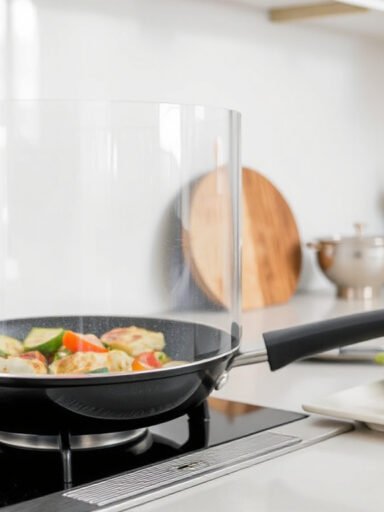
Whether you’re pan-frying chicken, sautéing vegetables, or shallow frying, keeping the pan uncovered allows excess moisture to escape and promotes crisping. Covering the pan in these cases often leads to soggy results due to trapped steam.
Roasting and Baking
Oven roasting uncovered is essential for crispy-skinned meats and roasted vegetables. The dry heat environment inside the oven evaporates surface moisture, giving you that sought-after texture.
Reducing Liquids and Sauces
Leaving the pot uncovered is important when your goal is to reduce a sauce or broth. The evaporation process concentrates flavors and thickens the consistency, which can indirectly enhance textural contrast when combined with crispy elements.
When Covering Is Beneficial
Although uncovered cooking is key for crispness, there are times when covering food is preferable:
- Retaining moisture: When cooking rice, stews, or braised dishes, covering traps steam necessary for even cooking and moisture retention.
- Speeding up cooking: A covered pot heats faster and cooks food evenly by recirculating heat.
- Preventing splatter: Covers minimize mess when frying, though this may come at the expense of crispness.
Tips for Mastering Uncovered Cooking for Crispness
- Preheat your pan: A hot pan promotes immediate browning.
- Use appropriate oil: Choose oils with high smoke points for frying and roasting.
- Avoid overcrowding: Too much food traps moisture and reduces crisping.
- Drain excess moisture: Pat ingredients dry before cooking to minimize surface water.
- Adjust heat thoughtfully: Use medium to high heat to encourage evaporation without burning.
Conclusion
Mastering the art of uncovered cooking unlocks the secret to achieving irresistible crispness in your meals. By allowing moisture to evaporate freely, uncovered cooking promotes browning, caramelization, and that satisfying crunch we all crave. Balance this with knowledge of when to cover for moisture retention and you’ll elevate your culinary skills, creating dishes that are both flavorful and texturally delightful.
Embrace uncovered cooking as a purposeful choice to transform your favorite recipes and enjoy the gratifying textures of perfectly crisped cuisine.