Mandy Croft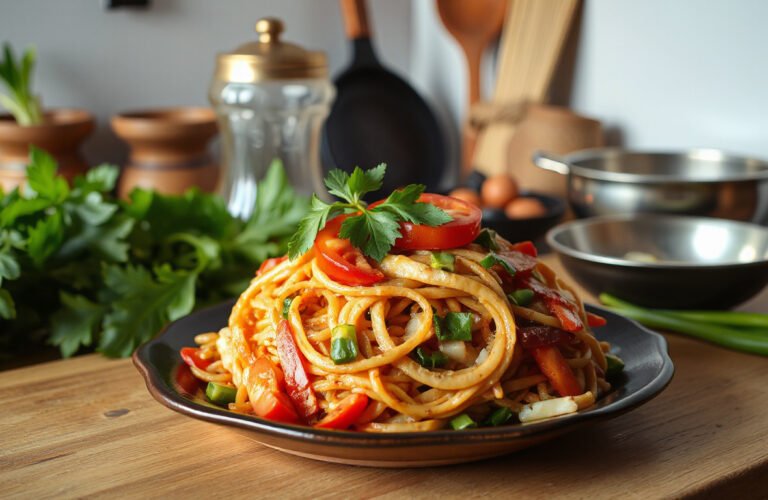
Thai fried noodles are a beloved staple of Thai cuisine, treasured for their delightful balance of flavors and textures. From the hearty and savory Pad See Ew to the crispy and tangy Mee Krob, these dishes offer vibrant taste experiences that can be recreated right in your kitchen. This guide dives into the essential elements of Thai fried noodles, providing you with everything you need to master these iconic dishes.
Understanding Thai Fried Noodles
Thai fried noodles encompass a variety of recipes, but two of the most popular styles include:
-
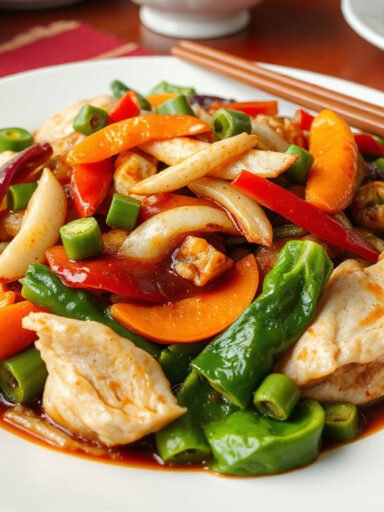
Pad See Ew: Stir-fried wide rice noodles with a savory, slightly sweet, and tangy sauce, commonly cooked with chicken, Chinese broccoli (Gai Lan), and egg.
-
Mee Krob: Crispy fried thin rice noodles served with a sweet, sour, and salty sauce typically made with tamarind, lime juice, palm sugar, and topped with fried cashews and kaffir lime leaves.
Both recipes showcase the hallmark of Thai cooking — a harmonious balance of sweet, salty, sour, and umami flavors.
Pad See Ew: Classic Thai Stir-Fried Soy Sauce Noodles

The Key to Authentic Pad See Ew
When it comes to Pad See Ew, achieving an authentic restaurant-style flavor comes down to two crucial factors:
-
The Right Sauce
Unlike simpler stir-fries that rely on plain soy sauce and sugar, Pad See Ew’s sauce features layers of flavor. The essential components include:- Dark soy sauce: Adds depth of flavor and rich, dark coloring.
- Light soy sauce: Provides balanced saltiness.
- Oyster sauce: A complex, savory ingredient that adds umami.
- Vinegar: Adds a subtle sour note that brightens the dish.
- Sugar: Balances the savory and sour with sweetness.
-
Caramelizing the Noodles
A signature trait of Pad See Ew is the delicious caramelized char on the noodles — a flavor that can quickly be lost in home cooking due to lower heat levels compared to restaurant woks. To replicate it at home:- Cook the chicken and vegetables first, then remove from the wok.
- Stir-fry the noodles separately with the sauce to achieve caramelization.
- This two-step process prevents overcrowding and ensures the noodles get that desirable slightly charred finish.
Ingredients
- Noodles: Traditionally made with Sen Yai, wide flat rice noodles, but wide dried rice noodles labeled "Pad Thai" work well when fresh noodles are unavailable.
- Protein: Often chicken, but pork, beef, shrimp, or tofu are great alternatives.
- Vegetables: Chinese broccoli (Gai Lan) is authentic, known for its tender leaves and crunchy stems. Substitute with broccoli and leafy greens if unavailable.
- Egg: Adds texture and flavor typical to the dish.
Step-by-Step Preparation
- Prepare the sauce: Combine dark soy sauce, light soy sauce, oyster sauce, vinegar, and sugar.
- Cook garlic and chicken: Sauté garlic until fragrant, add chicken and cook until almost done.
- Add broccoli stems: Cook longer as they require more heat; later add leaves just to wilt.
- Scramble egg: Push contents aside and scramble an egg in the wok.
- Remove chicken and veggies: Set aside to free the wok for the noodles.
- Caramelize noodles: Add pre-soaked noodles and sauce to the clear wok and toss quickly to develop slight caramelization.
- Combine: Return chicken and vegetables to the wok for a final toss and serve immediately.
Tips for Success
- Work with a hot wok or skillet for quick cooking.
- Avoid excessive stirring once the sauce is added to minimize noodle breakage.
- Have all ingredients prepped and ready before cooking to move rapidly.
Mee Krob: Thai Crispy Fried Noodles with Sweet and Sour Sauce
Mee Krob is a lesser-known yet equally delightful Thai fried noodle dish influenced by Chinese cuisine. It features thin rice noodles fried to a crispy texture, coated with a flavorful sweet and sour sauce with notable citrus accents.
Ingredients Overview
- Thin rice noodles: Dried rice noodles, deep-fried until puffed and crisp.
- Sauce: Combines palm sugar, white sugar, tamarind sauce, lime juice, tomato sauce, chili sauce, salted soybean, fish sauce, and salt — creating a complex sweet, sour, salty, and spicy profile.
- Toppings: Fried shallots, cashew nuts, dried chilies, and kaffir lime leaves for crunch and aroma.
Cooking Method
- Deep-fry noodles: Heat oil to about 180°C and fry small batches of dry noodles until they puff and crisp in seconds.
- Prepare toppings: Deep-fry cashews, dried chilies, and kaffir lime leaves until aromatic.
- Make the sauce: Stir-fry shallots, then add sugars and sauces except lime juice. When thickened, swipe in lime juice and adjust balance.
- Coat noodles: Gently mix crispy noodles with the sauce without breaking them.
- Finish: Garnish with fried toppings and serve as a flavorful snack, appetizer, or side.
Mee Krob demands precision to balance the sauce flavors and ensure the noodles remain crispy until served.
Bringing It All Together: Tips for Perfect Thai Fried Noodles at Home
- Use quality rice noodles: Choose the appropriate type—wide flat for Pad See Ew, thin for Mee Krob—to capture authentic textures.
- Master the heat: High heat is crucial to achieve the characteristic flavors and textures but can be challenging in home kitchens. Techniques such as cooking noodles separately or deep-frying small batches aid in recreating authentic results.
- Balance flavors: The heart of Thai cooking lies in balancing sweet, sour, salty, and umami. Adjust sauces and vinegars meticulously to suit your palate.
- Fresh ingredients: Incorporate fresh garlic, fresh vegetables, and proper proteins to enrich your dish.
- Avoid over-stirring: Gentle and quick tossing preserves noodle integrity and enhances caramelization.
Conclusion
Crafting perfect Thai fried noodles at home is an achievable and rewarding culinary adventure. Whether savoring the silky, savory layers of Pad See Ew or delighting in the crisp, tangy textures of Mee Krob, understanding the core ingredients, techniques, and flavor balance is key. With practice and attention to details like the sauce composition and cooking order, you can bring the vibrant flavors of Thai street food right to your dining table. So gather your wok, fresh noodles, and authentic seasonings, and enjoy the satisfying journey of making Thai fried noodles that capture the essence of Thailand’s rich food heritage.