Mandy Croft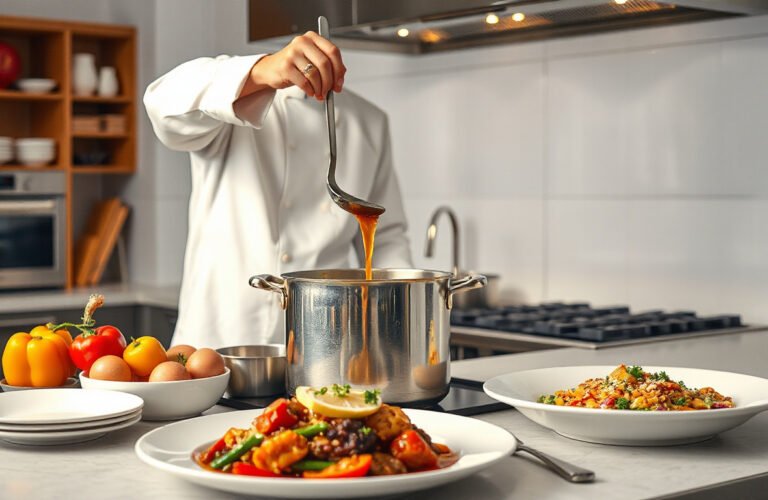
Adding broth gradually is a classic technique in various culinary preparations, especially in dishes like risotto. Though it may seem meticulous, it is a purposeful method that enhances flavor, texture, and overall cooking control. This article explores why adding broth gradually is important, primarily using risotto as a key example, and offers insights into mastering this technique for perfectly balanced, creamy results.
Why Add Broth Gradually?
When cooking dishes that require absorption of liquid, such as risotto, the rate at which broth or stock is incorporated profoundly affects the final texture and flavor. Here’s why gradually adding broth is a preferred technique:
1. Controlled Absorption and Cooking
Adding broth bit by bit allows the main ingredient—typically rice in risotto—to absorb liquid slowly and cook evenly. Pouring all the liquid in at once risks uneven cooking: some parts may become mushy while others remain undercooked. Gradual addition lets the heat penetrate evenly, giving each grain or ingredient time to swell and soften at the right pace.
2. Release of Starch for Creaminess
In risotto, the creaminess arises not from actual cream but from the starch released by the rice during cooking. When broth is added gradually, it encourages rice grains to release starch slowly, creating a luscious, velvety texture. Pouring all the broth at once dilutes the starchy liquid, diminishing this creamy effect.
3. Better Temperature Control
Adding hot broth incrementally helps maintain a consistent temperature throughout cooking. Sudden temperature changes can shock the dish, potentially causing uneven cooking or texture issues.
4. Flavor Balance and Liquidity Control
Gradually adding broth also gives you control over the dish’s final consistency. Since varying brands or homemade stocks can differ in saltiness and richness, slow addition allows you to adjust seasoning and texture on the fly. You can stop adding broth once your preferred moisture level is reached, avoiding a soupier or drier outcome than intended.
Common Misconceptions
Some experienced cooks argue that slowly adding broth is an outdated notion, especially with modern rice varieties and cooking techniques. For example, pressure cooker recipes and “no-stir” risotto methods allow for liquid to be added all at once with successful results due to quicker, more uniform cooking environments.
Nonetheless, for traditional stovetop methods and beginner cooks, the gradual addition method remains the gold standard, as it actively involves the cook in the process and reduces the risk of errors like burning or inconsistent texture.
How to Add Broth Gradually: Step-by-Step for Risotto

-
Prepare Broth and Rice: Keep your broth warm on low heat in a separate pot. Start by sautéing your rice in oil or butter until it becomes slightly translucent.
-
Add Broth in Small Batches: Using a ladle, add about ½ cup of hot broth to the rice, stirring continuously.
-
Allow Absorption: Stir gently and allow the rice to absorb the broth completely before adding the next ladleful.
-
Repeat the Process: Continue this cycle—adding broth, stirring, and waiting for absorption—until the rice reaches your desired tenderness. This usually takes about 18-20 minutes.
-
Season and Serve: Once the rice is cooked through and creamy, finish with butter, cheese, or any additional seasoning.
Extending the Technique Beyond Risotto
While risotto is the most cited example, adding broth gradually is valuable in other dishes too, such as stews, braises, and soups, where controlled liquid addition helps in flavor layering and optimal texture.
Conclusion
Adding broth gradually is more than a ritual—it is a practical technique that fosters even cooking, releases starches for creamy texture, maintains temperature, and offers precise control over flavor and consistency. Whether you’re perfecting risotto or navigating other broth-based recipes, mastering this approach is a key step toward culinary excellence and perfectly balanced dishes.
By embracing this gradual addition method, cooks of all levels can enhance their control over the cooking process and consistently deliver flavorful, well-textured results every time.