Mandy Croft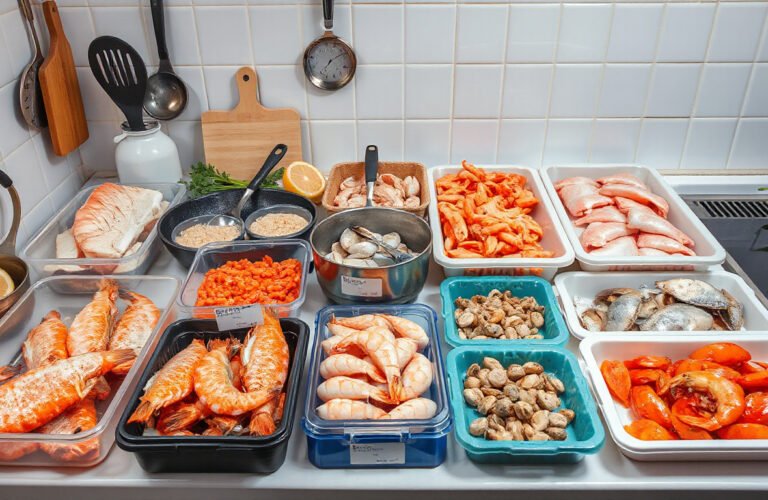
Seafood is celebrated worldwide for its delicate flavors and nutritional benefits. Whether preparing fish fillets, shellfish, or crustaceans, cooking seafood perfectly requires careful handling and attention to detail. One crucial and often overlooked practice is keeping seafood separate during preparation and cooking. This not only prevents food safety issues such as cross-contamination but also helps avoid overcooking, ensuring a tender, flavorful result every time.
In this guide, we’ll explore why separation matters, how to implement it effectively, and techniques to avoid the common pitfall of overcooking seafood.

Why Keep Seafood Separate?
1. Food Safety and Cross-Contamination Prevention
According to food safety authorities like FoodSafety.gov and Canada.ca, raw seafood can harbor bacteria, viruses, and marine toxins. When different types of seafood—or seafood and other food groups—are mixed during storage or preparation, pathogens from raw products can contaminate ready-to-eat or cooked items. This can lead to foodborne illnesses, especially in vulnerable populations such as children, pregnant women, seniors, or individuals with weakened immune systems.
Key practices include:
- Storing raw seafood separately in the refrigerator, preferably on the lowest shelf to avoid drip contamination.
- Using separate cutting boards, knives, and utensils for raw and cooked seafood.
- Washing hands thoroughly (20 seconds with soap and warm water) before and after handling seafood.
2. Avoiding Overcooking and Flavor Crossovers
Different seafood varieties vary in cooking times and textures—shrimp, for example, cook differently than salmon or mussels. Keeping seafood types separate allows you to tailor cooking methods and times for each, preventing delicate pieces from overcooking while sturdier ones finish properly. Moreover, cooking mixed seafood together can lead to flavor transfer, masking the unique taste profiles of each species.
How to Keep Seafood Separate to Avoid Overcooking
Purchase and Storage Tips
- Separate Packaging: When buying seafood, ensure cooked and raw products are packaged and displayed separately to avoid contamination.
- Labelled Containers: For shellfish, check for certification labels and shipper tags, confirming safe harvesting and handling.
- Proper Refrigeration: Store raw seafood in individual containers, uncovered or loosely covered, on the bottom shelf to catch drips and avoid contact with other foods. Use a refrigerator thermometer to keep temperatures below 40°F (4°C). Freeze fish or shellfish you won’t cook within two days.
Preparation Tips
- Use Dedicated Equipment: Assign specific cutting boards and utensils for different seafood types. Non-porous materials like plastic or metal are preferable for easy sanitization.
- Sanitize Surfaces: Clean all surfaces with hot soapy water and, if possible, sanitize with chlorine-based solutions after each use.
- Separate Cooking: Cook seafood types individually or in separate batches according to their recommended cooking times. For instance, delicate fish fillets may require just a few minutes, while shellfish like mussels or clams need to be simmered or steamed until shells open.
Techniques to Prevent Overcooking Seafood
Even with perfect separation, overcooking remains a challenge for many home cooks. Here are expert-recommended techniques:
1. Use a Food Thermometer
Seafood is generally safe at an internal temperature of 145°F (63°C). Insert the thermometer into the thickest part to check doneness. Remember the principle of carry-over cooking: fish continues to cook after heat removal, so withdraw it at about 135°F to 140°F to ensure it doesn’t overcook.
2. The Wooden Skewer Test
Insert a wooden skewer or toothpick through the thickest part of the fish. If it passes through easily with no resistance, the fish is cooked. If you feel resistance, cook a bit longer and test again.
3. Observe Visual and Textural Cues
- Fully cooked fish becomes opaque and flakes easily with a fork.
- Shrimp and scallops turn opaque and firm.
- Shellfish shells (clams, mussels, oysters) should open during cooking; discard any that remain closed.
4. Set Timers and Follow Cooking Guidelines
Use timers according to seafood thickness and cooking method to avoid guesswork. For example, most fish fillets require roughly 10 minutes per inch of thickness under heat, but check frequently.
Conclusion
Mastering the art of cooking seafood hinges on safe handling and separating different types during storage, preparation, and cooking. This practice guards against foodborne illness, preserves the unique textures and flavors of each seafood variety, and helps prevent the dreaded dry, overcooked result.
By implementing dedicated storage, equipment, and careful monitoring using thermometers, skewers, and visual cues, you’ll confidently prepare seafood dishes that delight the palate and nourish the body every time.
Remember: Keep your seafood fresh, keep it separate, and cook with care — your taste buds (and your guests) will thank you!