Mandy Croft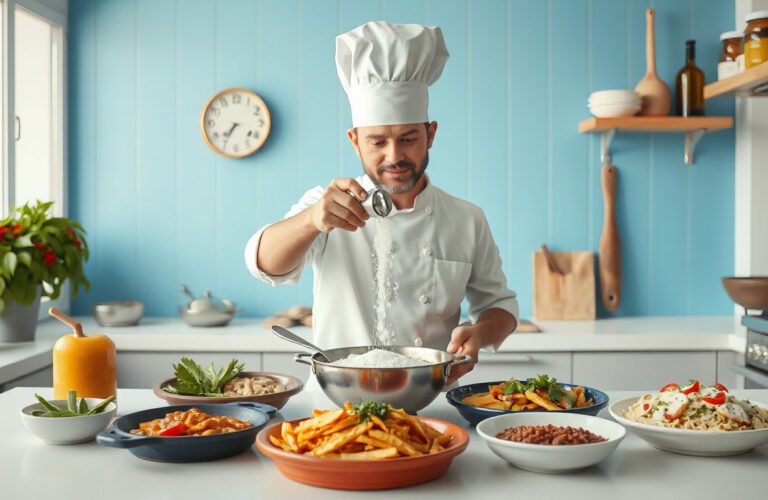
Salt is one of the most fundamental ingredients in cooking, capable of transforming ordinary food into something flavorful and memorable. However, the timing of when you add salt can profoundly impact the final taste and texture of your dish. Understanding the best moments to incorporate salt during the cooking process is an essential skill for both novice and experienced cooks alike. This article explores why timing matters, how different foods respond to salt at various stages, and practical tips for seasoning your meals to perfection.

Why Timing Matters in Salting Food
Salt is more than just a flavor enhancer; it also interacts chemically and physically with food. When added early, salt has time to penetrate and season the food evenly, developing depth and complexity. Added too late, salt often sits on the surface, resulting in uneven seasoning and sometimes overpowering saltiness in specific bites.
Research and kitchen experiments—like those conducted by America’s Test Kitchen—have shown that salting foods early in cooking results in more balanced and integrated flavors compared to adding salt solely at the end. Salt migrates slowly into foods, especially when cold, so giving it time during the cooking process allows it to reach the interior, especially in dense proteins and vegetables.
Optimal Times to Add Salt for Different Foods
The way foods absorb salt varies widely depending on their structure, moisture content, and cooking method. Here’s a breakdown of best practices for salting various types of ingredients:
1. Pasta and Starchy Vegetables
Salt should be added to the boiling water before dropping in pasta or potatoes. This allows the salt to infuse the food from the inside, enhancing the flavor throughout rather than just surface salting after cooking. Be generous with salt in pasta water—remember much of it drains away.
2. Meat and Poultry
For meats such as beef or pork, salting several hours ahead—or even overnight—is highly beneficial. This dry brining process draws moisture out initially but then allows the meat to reabsorb it along with the salt, seasoning it evenly inside. Salting right before cooking impacts only the surface and does not allow enough time for full flavor development. A light sprinkle of finishing sea salt just before serving can add a pleasant texture and flavor enhancement.
3. Soups, Stews, and Multi-Component Dishes
Seasoning early and incrementally is an excellent strategy for these complex dishes. Salt each elemental step as you add ingredients—such as seasoning onions when sautéing, then tomatoes, then broth—to build layers of flavor. This approach avoids the pitfall of oversalting at the end and ensures the entire dish is well seasoned.
4. Vegetables Like Mushrooms and Water-Dense Ingredients
Avoid salting immediately when sautéing watery vegetables such as mushrooms since salt draws out moisture, which can prevent proper browning. Instead, wait until the ingredients have colored and most moisture has evaporated before seasoning.
5. Beans and Legumes
Contrary to some traditional advice, salting the soaking and cooking water for dried beans can result in more flavorful and tender beans. Salting helps season the beans evenly during hydration and cooking.
6. Baked Goods
Salt is critical from the start in baking, especially for bread and savory recipes. It strengthens gluten structure, controls yeast fermentation, and enhances overall flavor. Forgetting salt in dough results in bland baked products that no amount of finishing salt can fix.
7. Salads and Final Touches
Add salt to vinaigrettes or dressings before tossing, so it blends with the other flavors. Consider a light finishing sprinkle of flaky sea salt just before serving to give contrast and highlight textures.
What to Do If You Forget to Salt Early
If you realize late in the cooking process that your dish is undersalted, resist the urge to add all the needed salt at once. Instead, add a small portion and taste frequently to achieve balance. Remember that late-added salt stays mostly on the surface, so use caution to avoid bitterness or overly salty spots.
Conclusion
Mastering the timing of when to add salt is as crucial as how much you use. Seasoning early in the cooking process generally results in more flavorful, evenly seasoned dishes, while last-minute salting can lead to uneven and harsh flavors. By tailoring your salting technique to each type of ingredient and cooking method—salting pasta water generously, dry brining meat, layering seasoning in soups, and timing salt for vegetables—you can elevate your cooking to new heights. Experiment with these principles to find the perfect balance that suits your taste, and enjoy the full potential of well-seasoned food.
By understanding when and how to add salt, you’ll unlock richer flavors and more satisfying meals every time you cook.