Mandy Croft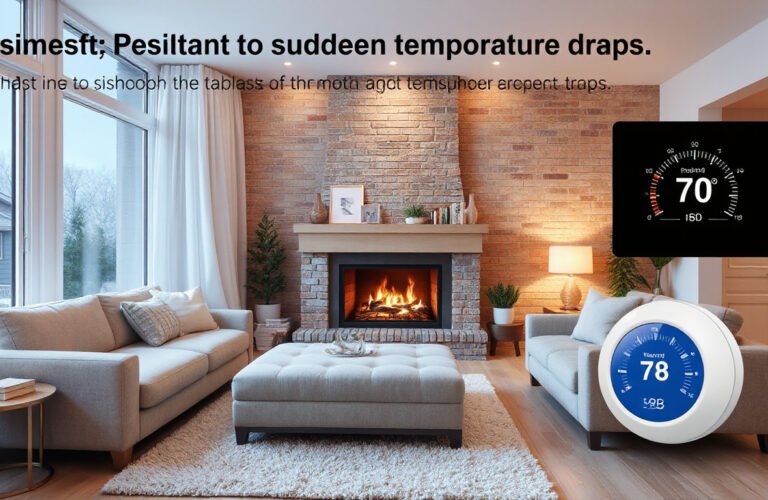
Sudden temperature drops can be uncomfortable and even hazardous, impacting both your health and home environment. Whether triggered by natural weather shifts or indoor heating changes, abrupt cold snaps require careful management to maintain comfort and safety. This guide consolidates expert insights to help you avoid and respond effectively to sudden temperature declines, keeping your home and well-being secure.
Understanding Sudden Temperature Drops
A sudden temperature drop happens when the indoor or outdoor environment experiences a rapid decrease in temperature within minutes or hours. Outdoors, these sharp declines often result from powerful cold fronts displacing warm air, as seen in extreme events where temperatures plunge by 30°F or more within minutes. Indoors, temperature drops can occur due to heating system failures, drafts, or poor insulation.
Such rapid cooling stresses the body’s ability to regulate core temperature and can lead to discomfort and serious health risks, including hypothermia and frostbite. Additionally, cold air and freezing temperatures indoors may cause damage such as frozen or burst pipes, impacting your home’s infrastructure.
Health Risks Associated with Sudden Cold Exposure
The human body maintains an average temperature of about 98.6°F. When exposed to sudden cold, the body reacts by constricting blood vessels, prioritizing blood flow to core organs but reducing circulation to extremities. This leads to numbness, tingling, and increased susceptibility to frostbite.
Key symptoms of cold-related distress include:
- Hypothermia: Shivering, clumsiness, confusion, slow speech, and drowsiness. It begins when core body temperature drops below 95°F.
- Frostbite: Progresses in stages from burning sensations to blistering and, in severe cases, blackened tissue indicating necrosis.
Special care is necessary for vulnerable groups such as infants, older adults, and those with underlying health conditions.
Preventing Sudden Temperature Drops Indoors
Maintaining a stable indoor temperature helps avoid discomfort and damage:
1. Gradual Temperature Adjustment
Avoid abrupt shifts in indoor temperature. For example, when reheating a cooled room, increase heating gradually to let your body and the home adjust without stress.
2. Proper Heating System Maintenance
Regularly service heating systems to ensure they function correctly and efficiently. Faulty heaters or broken thermostats can cause unexpected drops.
3. Insulation and Draft-proofing
Seal gaps around windows, doors, and attics to prevent cold air infiltration. Use weatherstripping and curtains to retain heat.
4. Use Layered Clothing and Accessories
Dress appropriately indoors with layers that can be added or removed easily. Keep extremities covered—wear warm socks, gloves, and a hat if necessary—to minimize heat loss.
5. Utilize Temperature-Regulating Technologies
Consider installing programmable thermostats for even temperature control. Cooling and heating apparel or accessories can also help maintain comfortable body temperature during temperature fluctuations.

Outdoor Tips to Avoid Thermal Shock
When moving between indoor warmth and outdoor cold, your body can experience thermal shock—a sudden change in temperature that may cause dizziness, chills, or worse.
- Avoid sudden transitions: Limit immediate exposure to extreme cold after being in warm environments such as heated rooms or after sunbathing.
- Warm up or cool down gradually: Spend time acclimating in a shaded or room-temperature area before fully transitioning.
- Stay hydrated: Proper hydration supports the body’s ability to regulate temperature.
- Dress appropriately: Use insulated outerwear, and cover vulnerable areas like your head and neck.
Responding to Sudden Temperature Drops
If you encounter symptoms of hypothermia or frostbite:
- Move to a warm, sheltered space immediately.
- Change into dry, warm clothing and use blankets or warm towels.
- Consume warm (not hot) fluids to safely raise core temperature.
- Avoid vigorous movements or exertion which can strain the heart.
- Seek medical help if symptoms worsen or do not improve.
For your home, if temperatures fall suddenly and pipe freezing is a concern:
- Allow faucets to drip slightly to keep water flowing.
- Open cabinet doors to expose pipes to warmer air.
- Use pipe insulation or heating tape on vulnerable plumbing.
Conclusion
Sudden temperature drops can challenge both your comfort and health, but with thoughtful preparation and awareness, you can mitigate their impact. Maintain your home’s insulation and heating systems, dress appropriately in layers, and adopt gradual temperature adjustments indoors and outdoors. Recognizing the signs of cold-related health issues ensures quick action and prevents serious consequences. By mastering these essential tips, you sustain a cozy, safe home environment through every chill.
Staying informed and proactive is key to mastering comfort and safety in the face of sudden temperature changes. Embrace these guidelines to protect your health and home year-round.